|
|
|
News | About us | Publications | Conferences | Seminars | "Tigers" | Contact | Links | Site map |
|
|
Photo Gallery: Culture |
|
|
GWK
News Publications Culture |
|
|
|
Krakow, The largest pipe in the organs at the Karol Szymanowski Krakow Philharmonic Hall – Principal 16' Great C, Main Manual (HAUPTWERK) – has been named "Grzegorz" by the Polish music milieu in recognition of his role in supporting national culture.
Photo by Jaroslaw Deluga-Gora
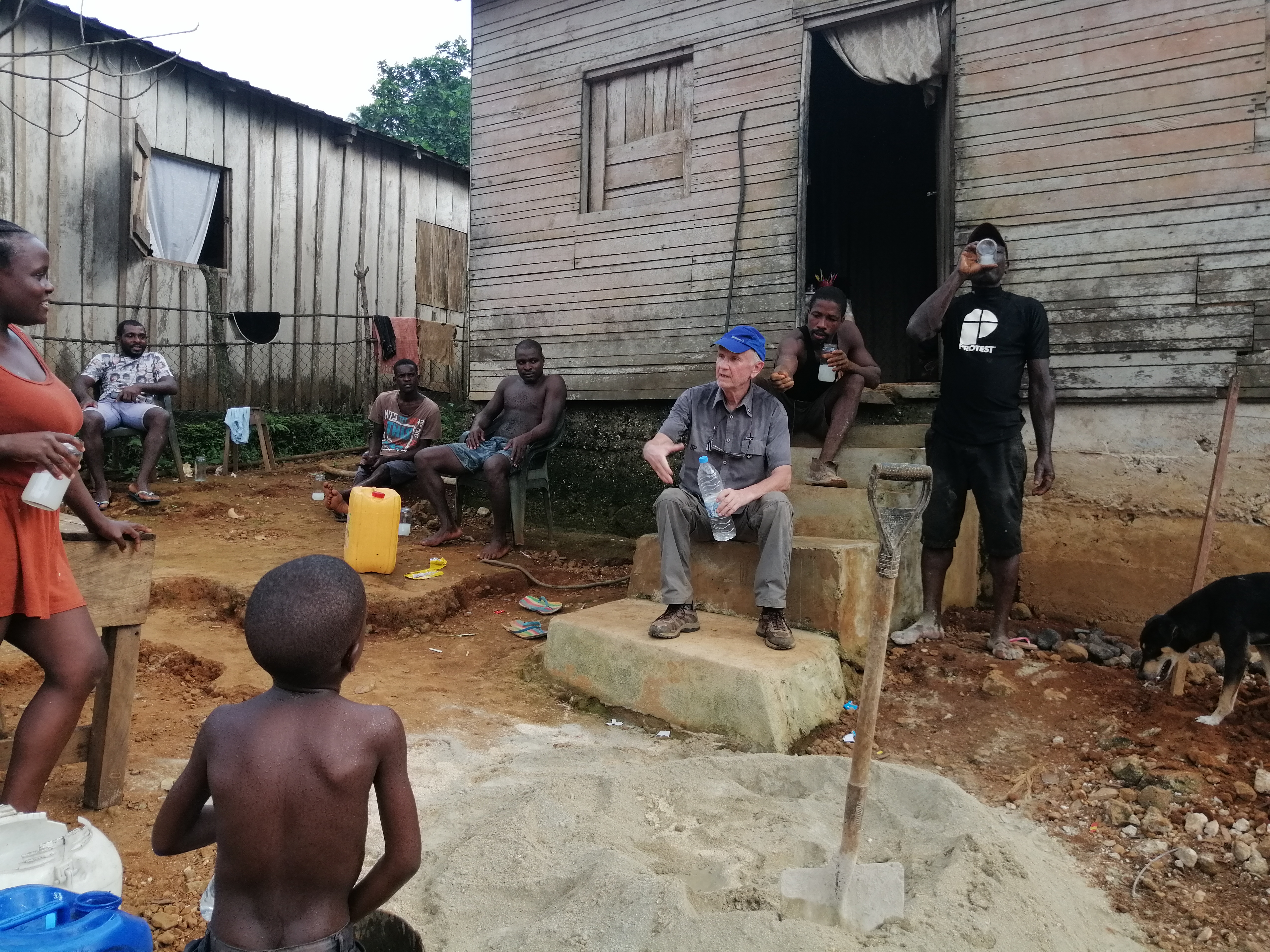
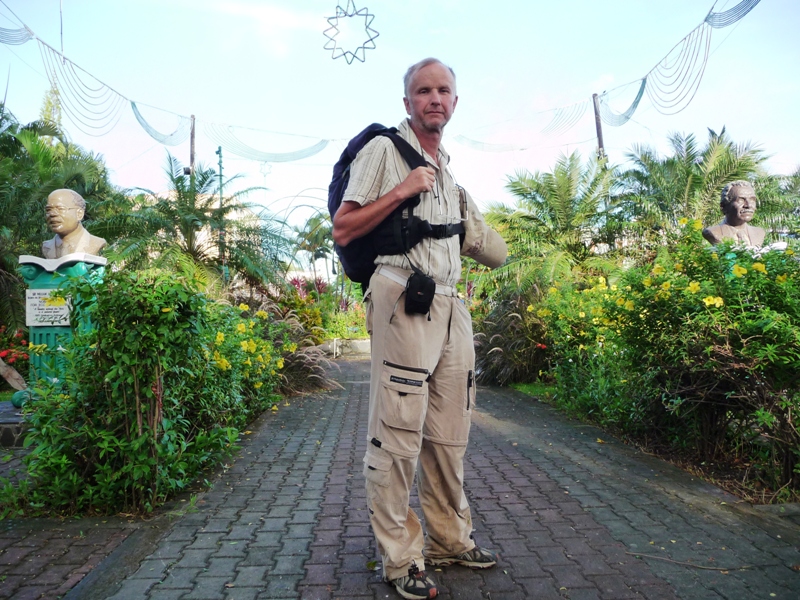
On the islet of Rola, São Tomé and Príncipe..
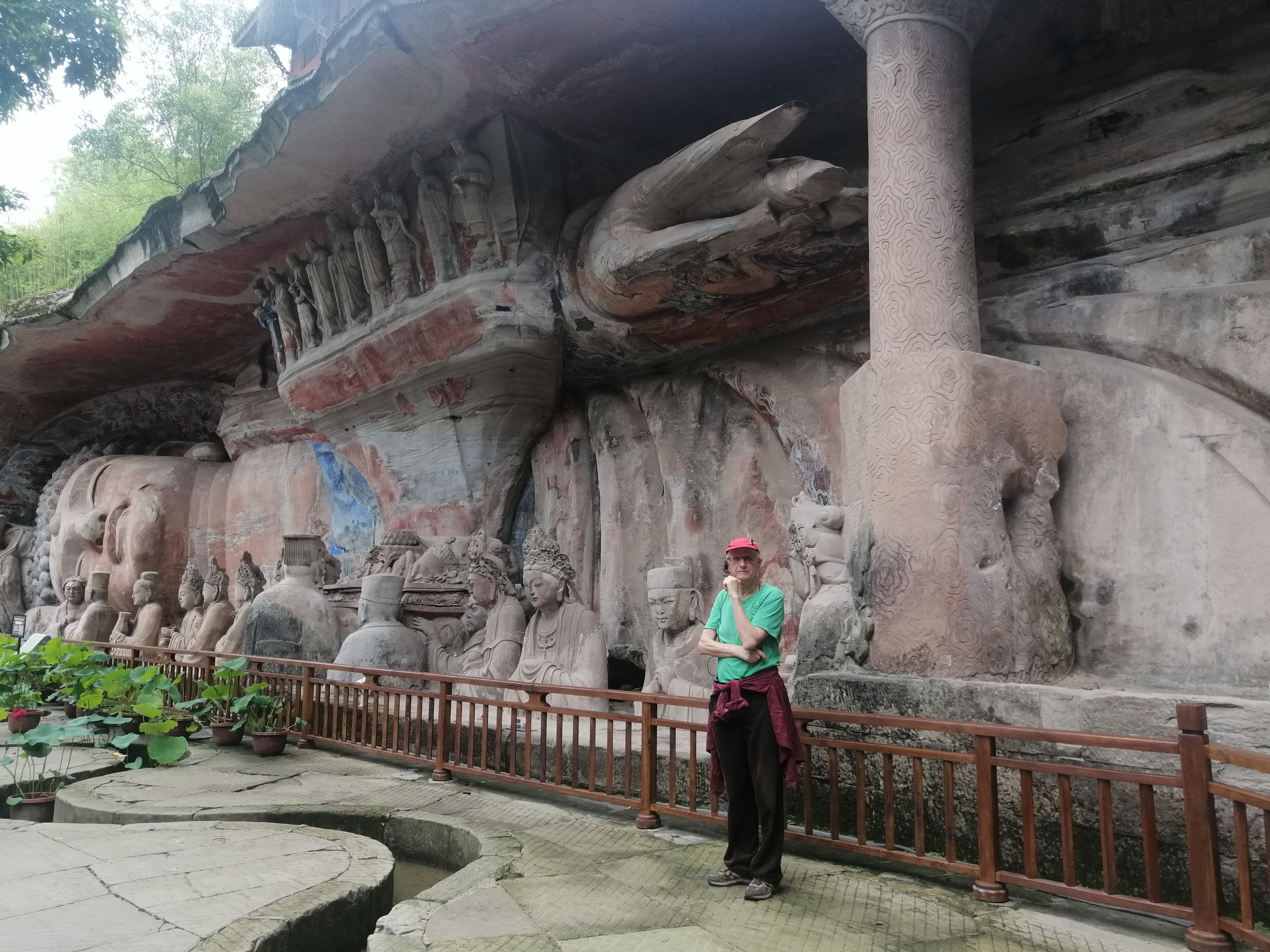
China. The Dazu Rock Carvings, UNESCO World Cultural Heritage Site is an exceptional series of rock carvings dating from the 9th to the 13th century.
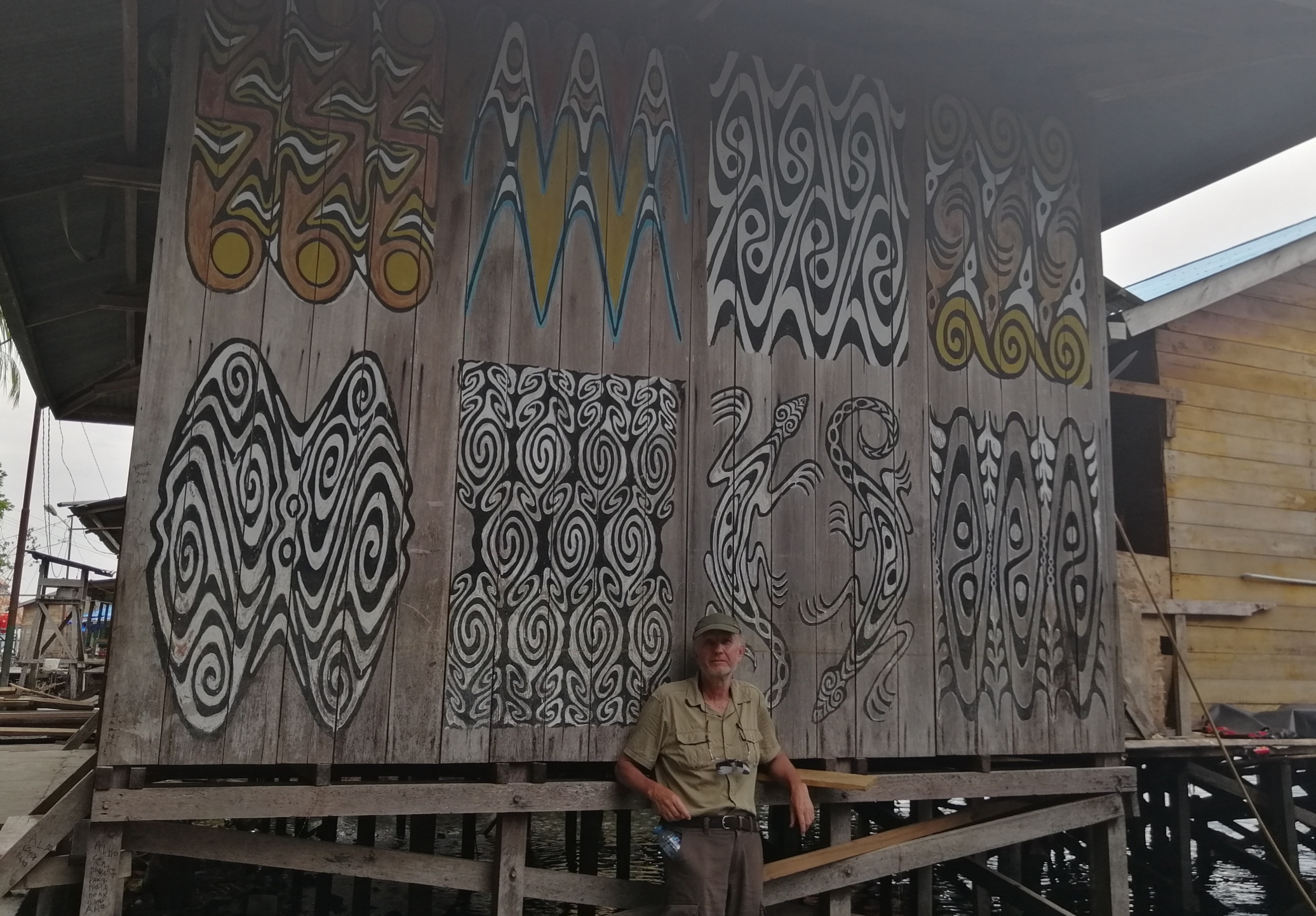
Papua. On the islet of Asei on Lake Danau.
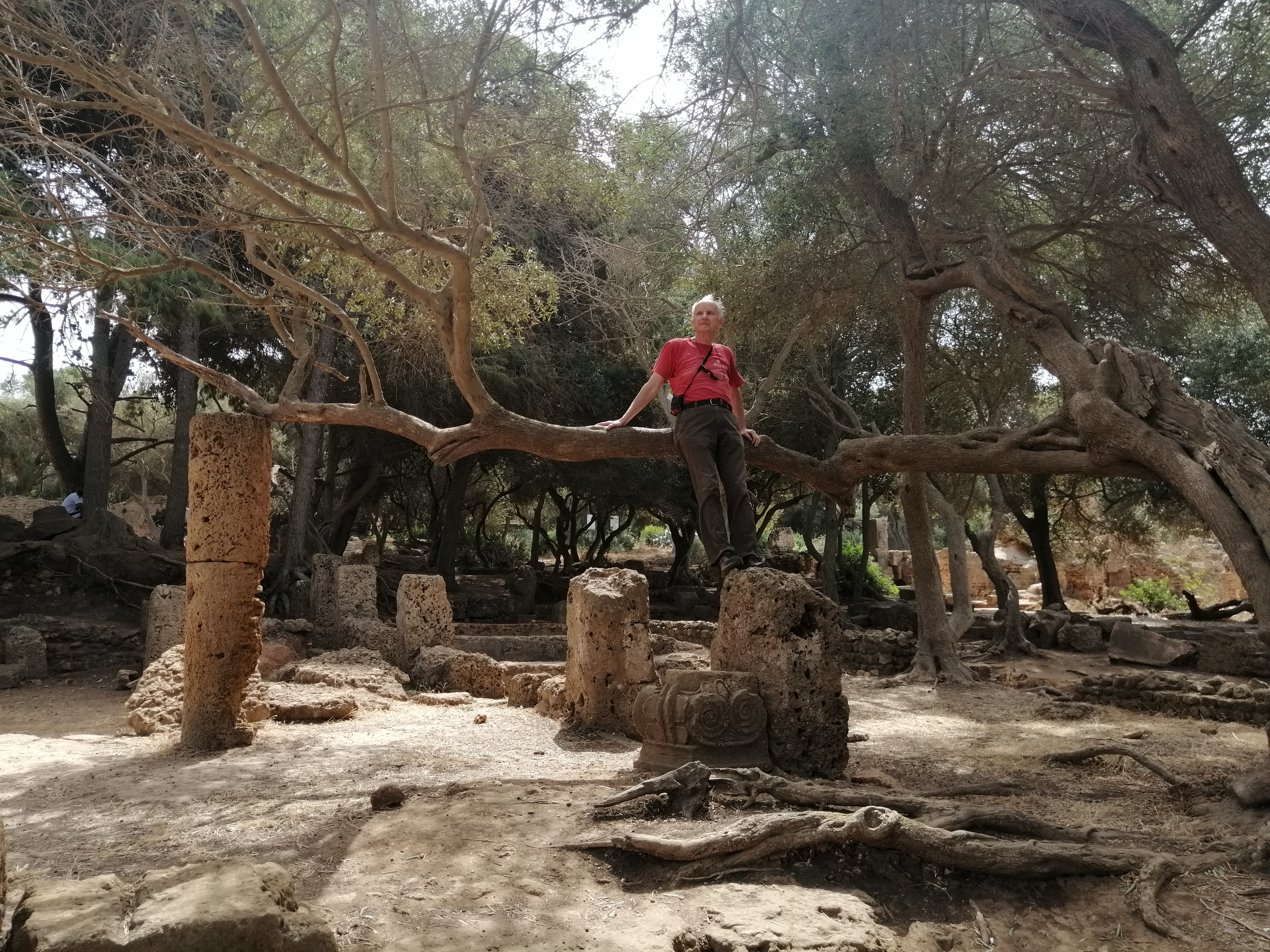
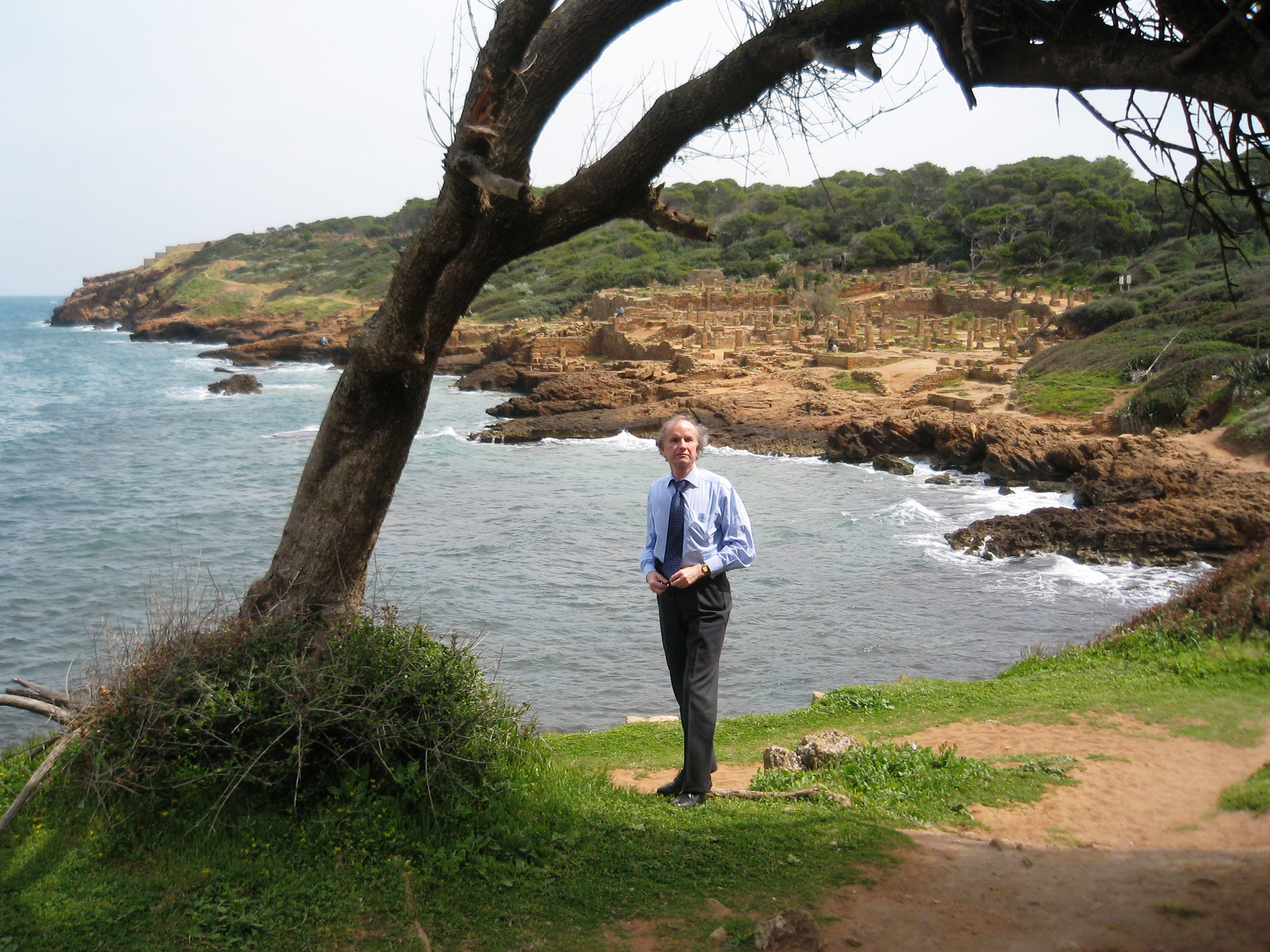
Leżąca u wybrzeży Morza Śródziemnego w Algierii Tipasa to starożytna punicka placówka handlowa podbita przez Rzym i przekształcona w strategiczną bazę królestw Mauretanii. UNESCO Cultural World Heritage Site https://whc.unesco.org/en/list/193
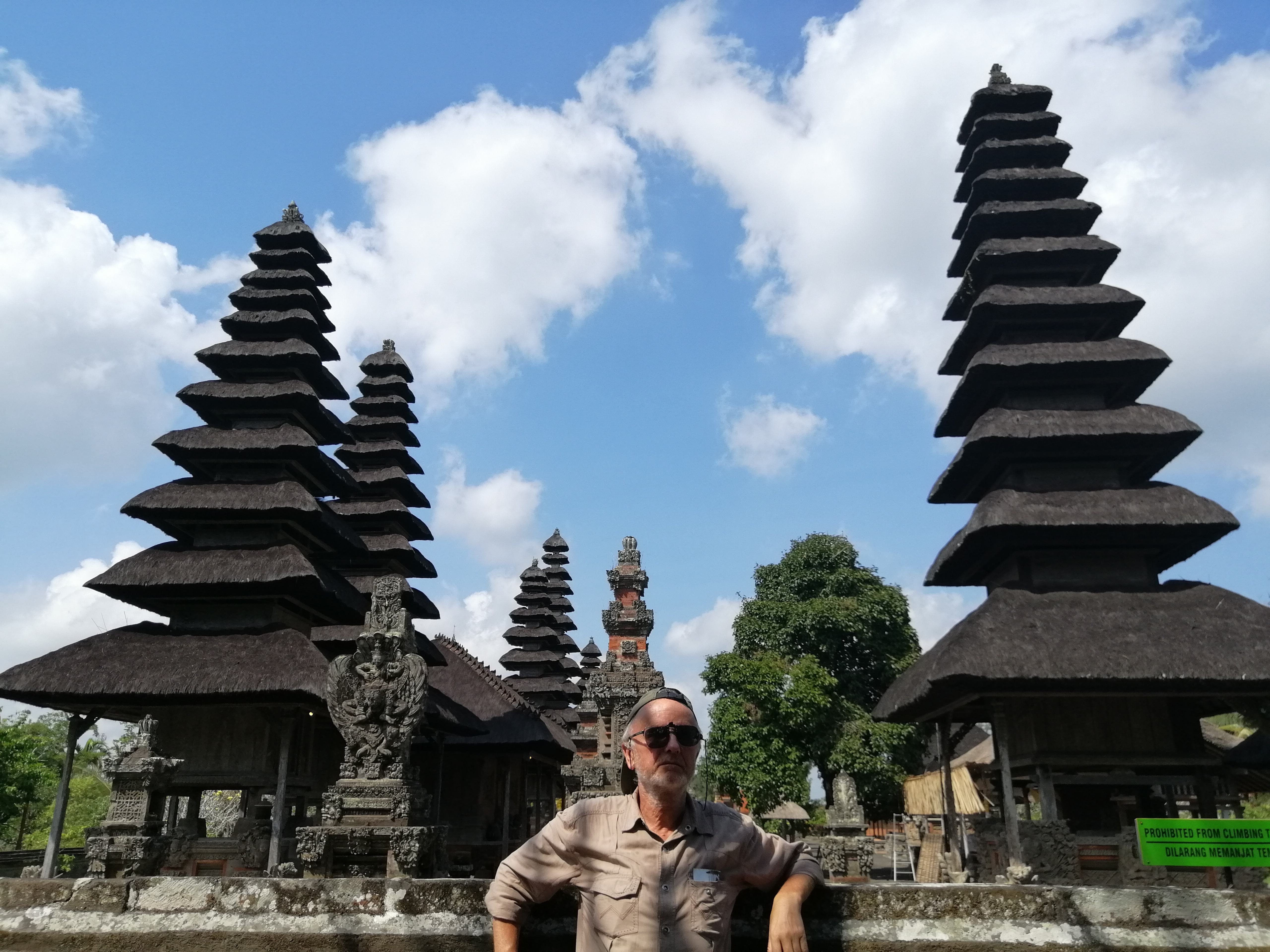
With its unique beauty the Hindu Royal Water Temple Pura Tama Ayu, on the island of Bali in Indonesia, has gained the status of UNESCO Cultural World Heritage Site.
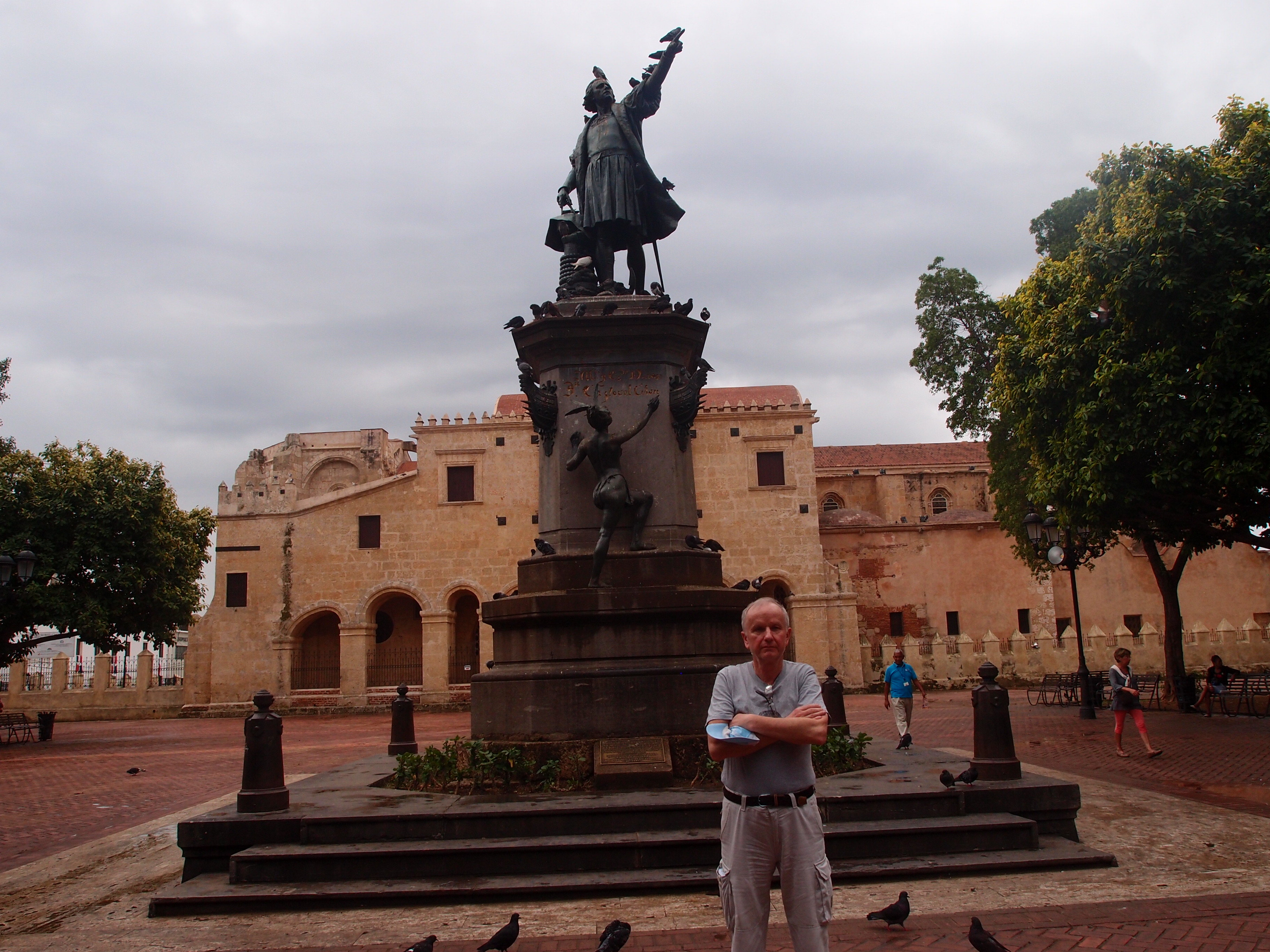
Dominican Republic, Colonial City of Santo Domingo, UNESCO Cultural World Heritage Site (https://whc.unesco.org/en/list/526)
Fountains in front of the tsar palace in Peterhof (http://whc.unesco.org/en/list/540) in full beauty
Alcázar. Garden of the Palace of the Muslim Governor of Seville, 10th century.
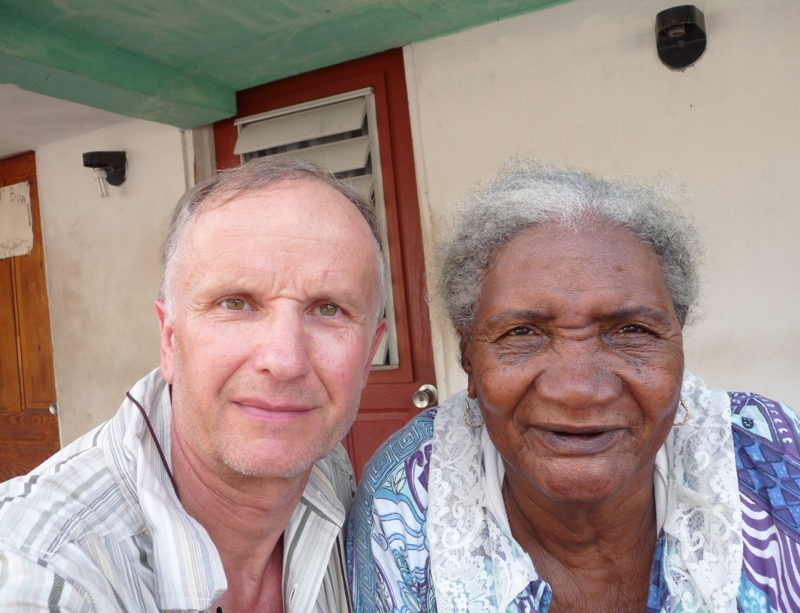
In the Citadel Henry, the only UNESCO Cultural World Heritage Site in Haiti (http://whc.unesco.org/en/list/180)
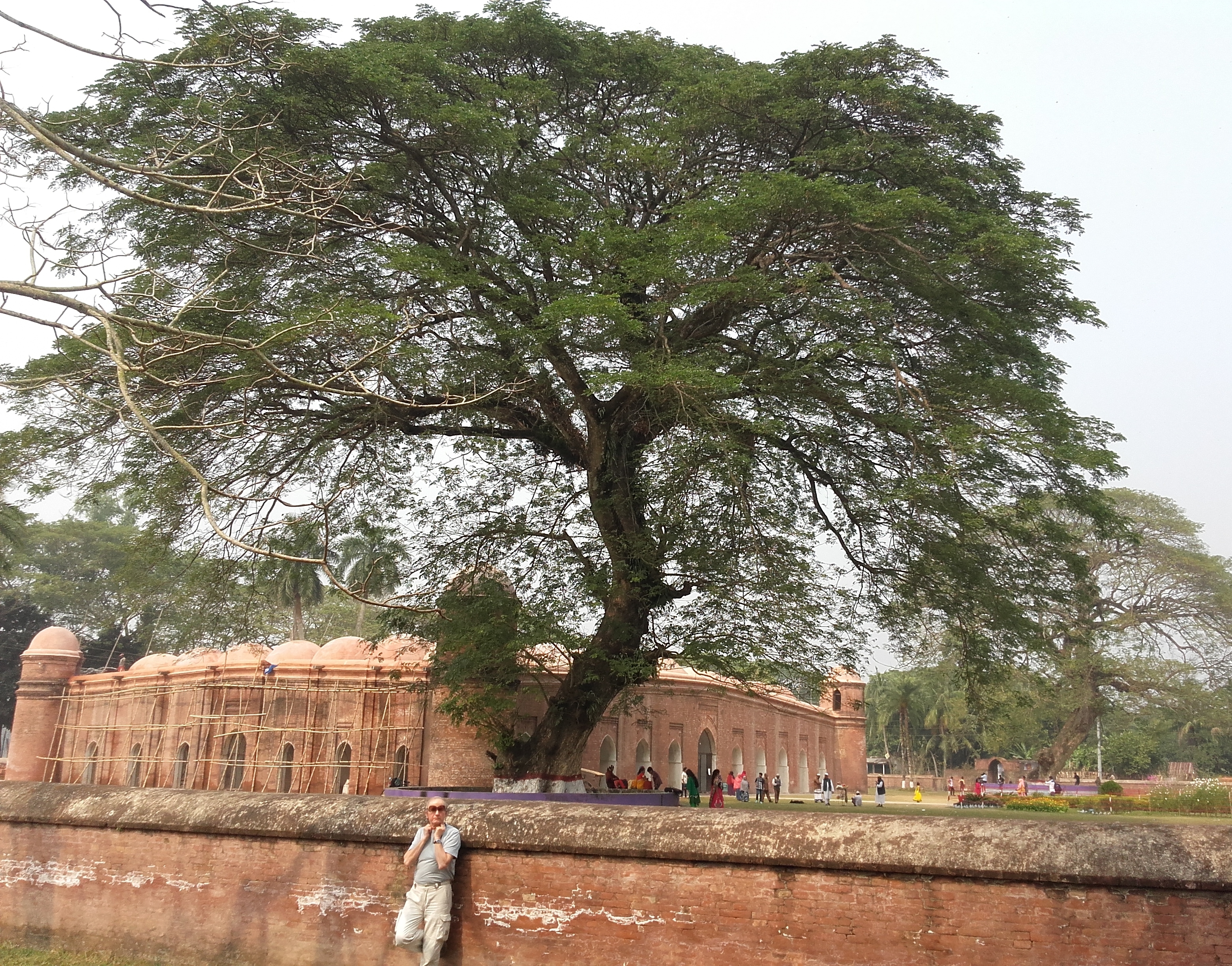
The Shait-Gumbad mosque in Bagerhat, historic mosque city at
the meeting-point of the Ganges and Brahmaputra rivers, has been listed
as the UNESCO World Cultural Heritage Sites (http://whc.unesco.org/en/list/321)
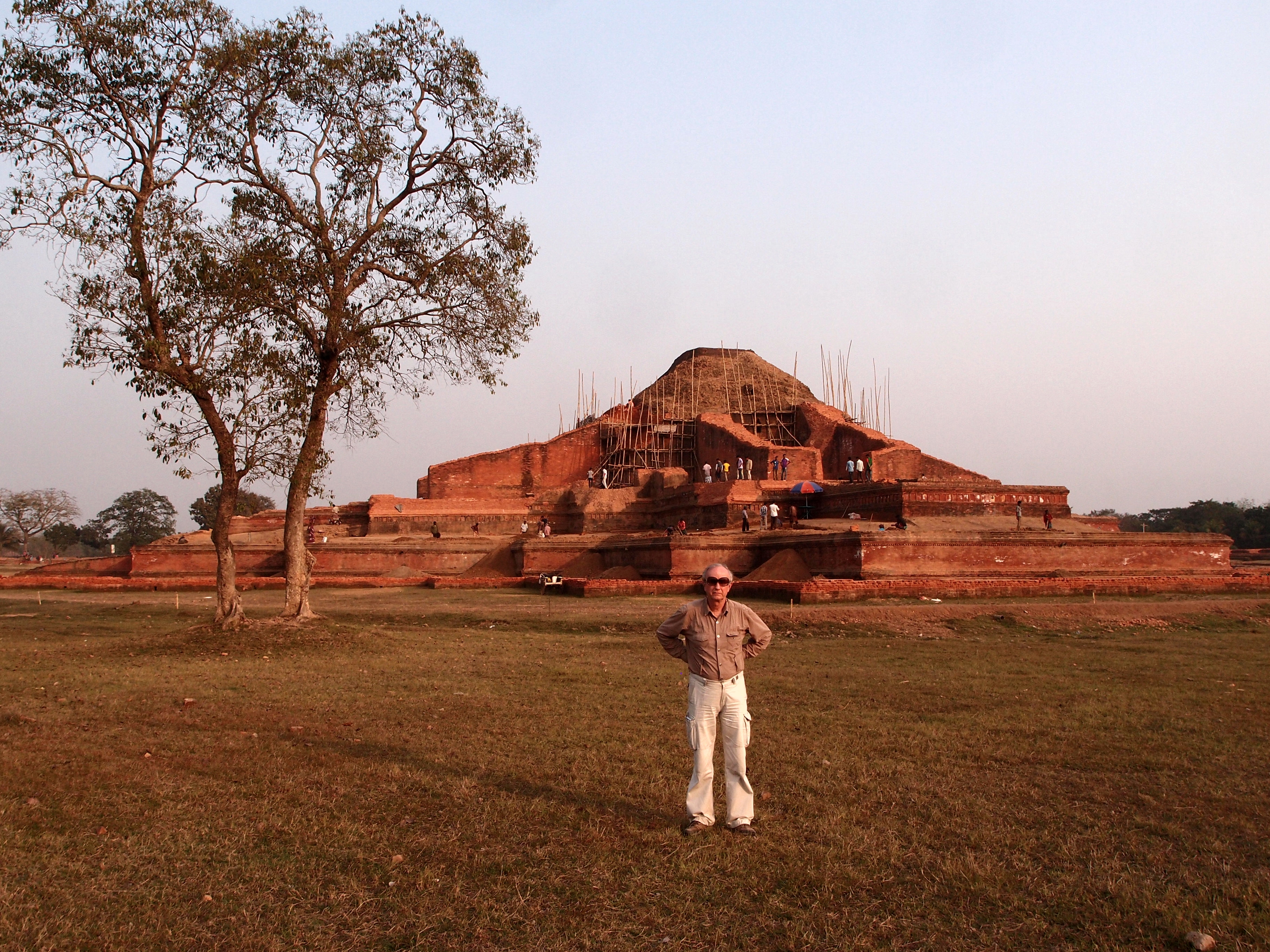
At the Somapura Mahavira, or the Great Monastery, a renowned intellectual center until the 12th century. The ruins of the Buddhist Vihara at Paharpur, Bangladesh, are listed as the World Cultural Heritage Site (http://whc.unesco.org/en/list/322).
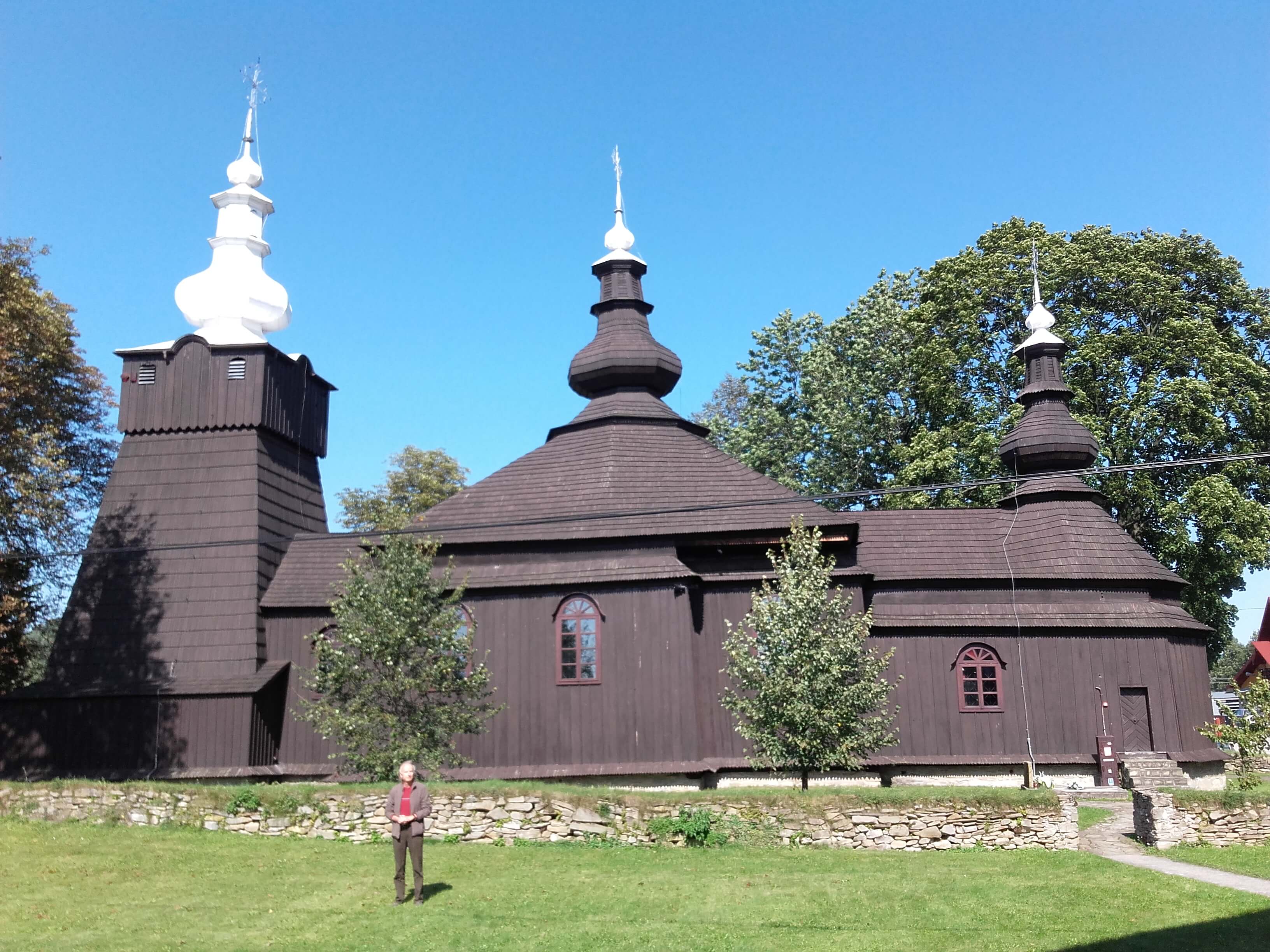
The wooden church of St. Michael the Archangel in
Brunary, Lesser Poland Voivodeship, West Bohemian style (wooden
Tserkvas of the Carpathian Region in Poland and Ukraine; http://whc.unesco.org/en/list/1424)
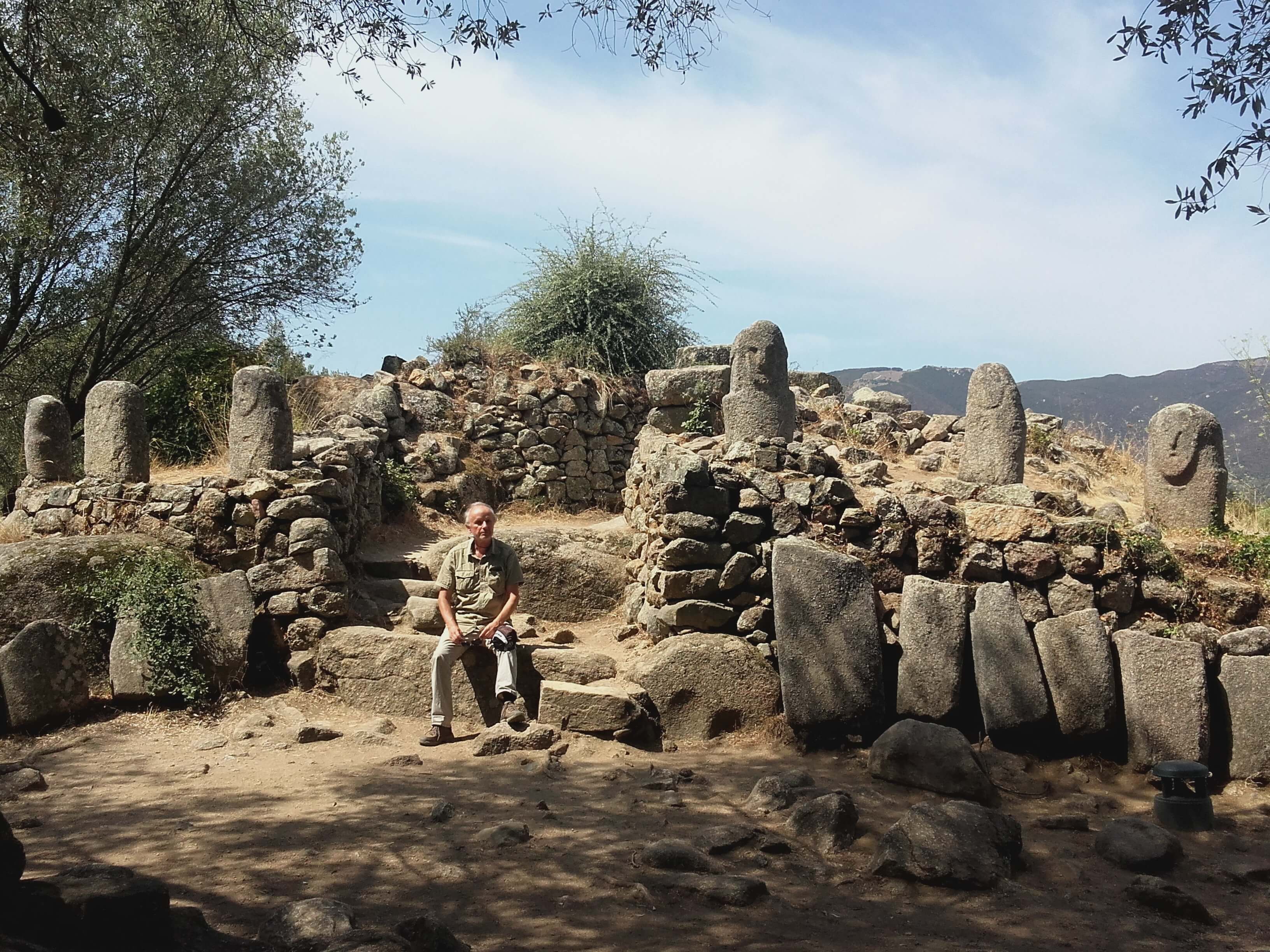
Megalithic statues (menhirs) from the middle 4th century BC in the valley of the Taravo river in southern Corsica
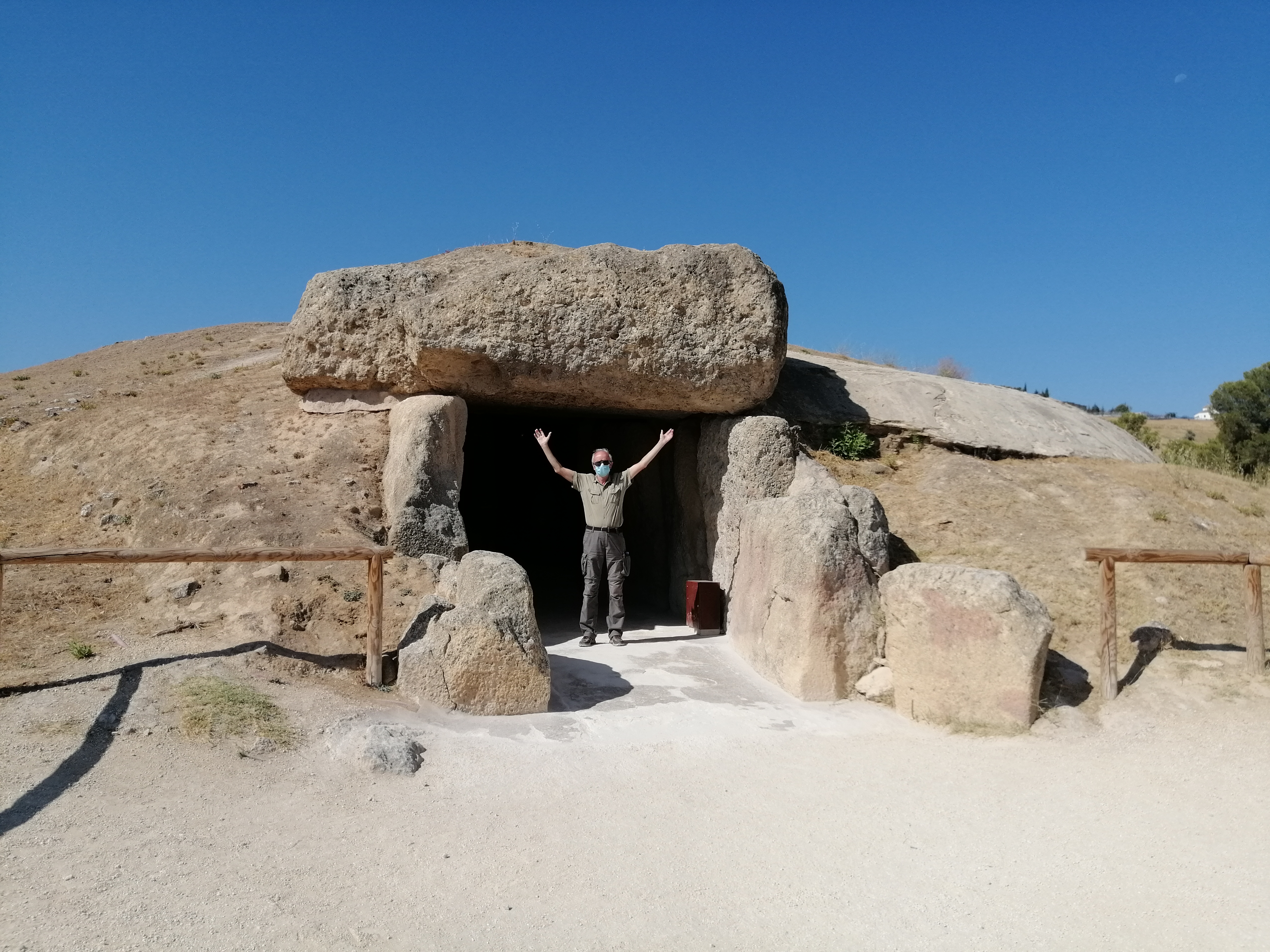
The Dolmen of Menga, a megalithic burial mound in Antequera, Andalucia, Spain.
Monastery of Panagia Hozoviotissa, Amorgos, Cyclades
Unfinished marble monument of Dionisis in Apollonas at Naxos Island. Cyclades, Greece
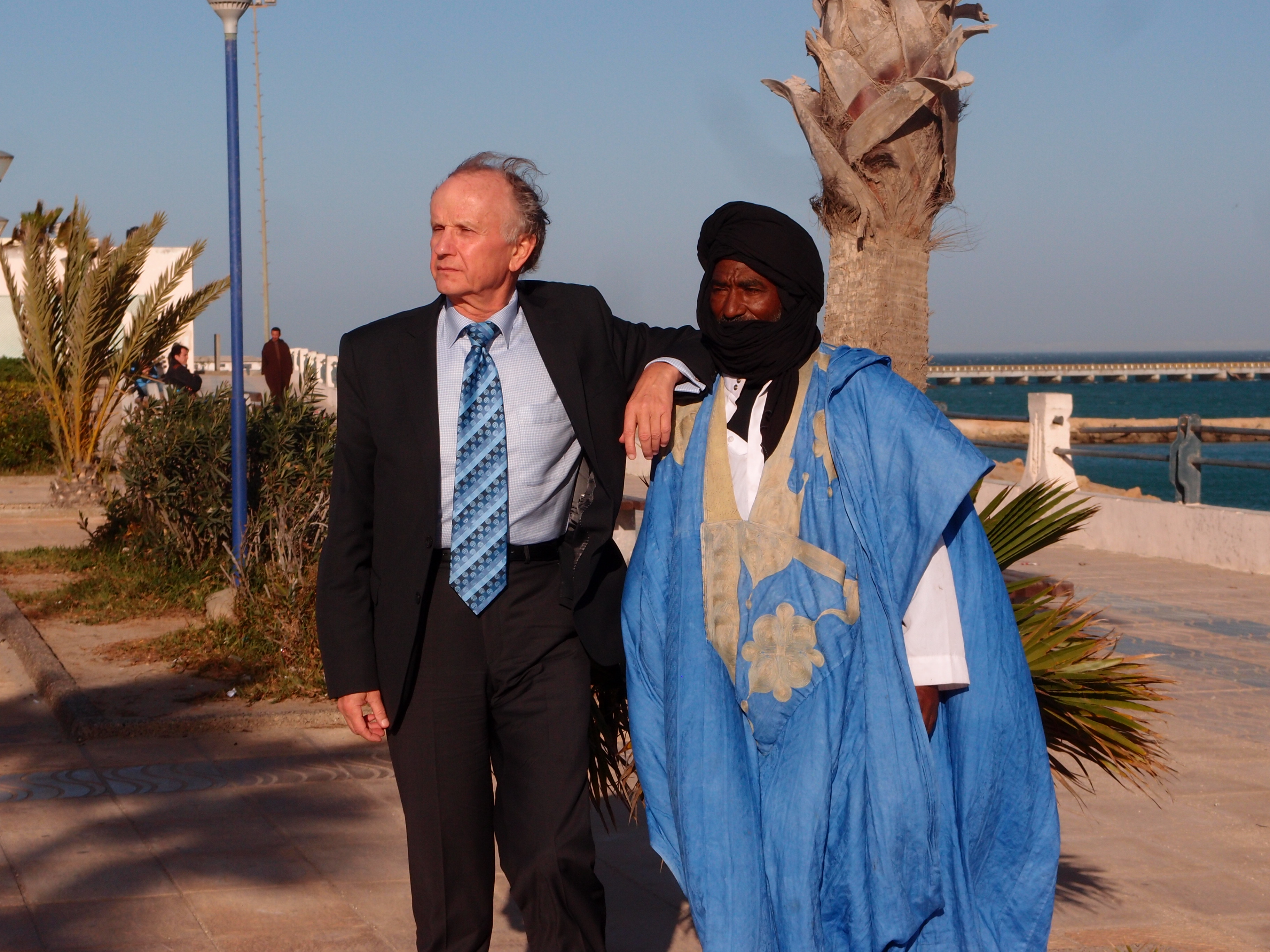
In quest for multiculturalism. At the promenade on the Atlantic coast in Dakhla, Western Sahara, Morocco
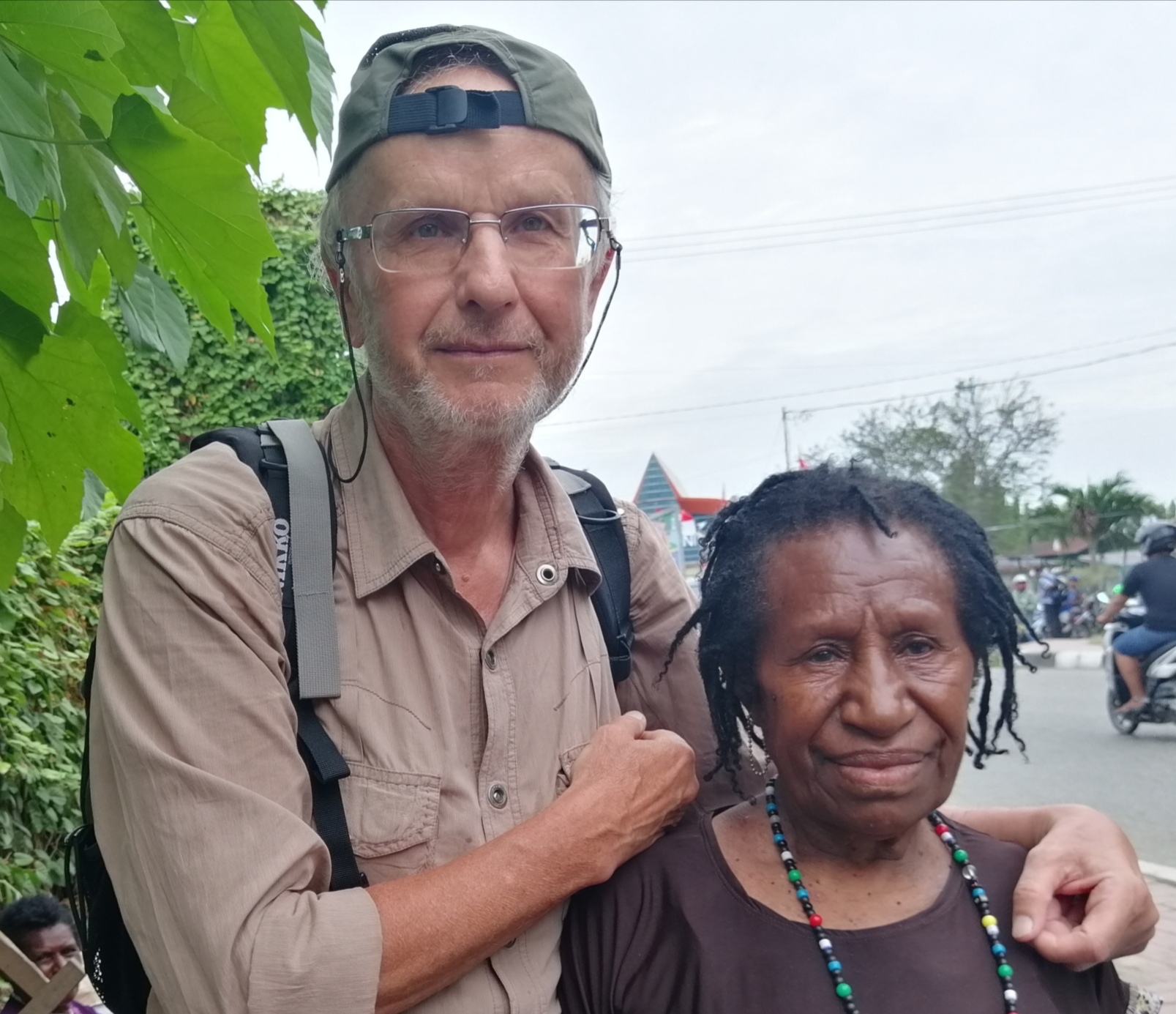
In the Papuan village
With the whirling dervishes of Khartoum
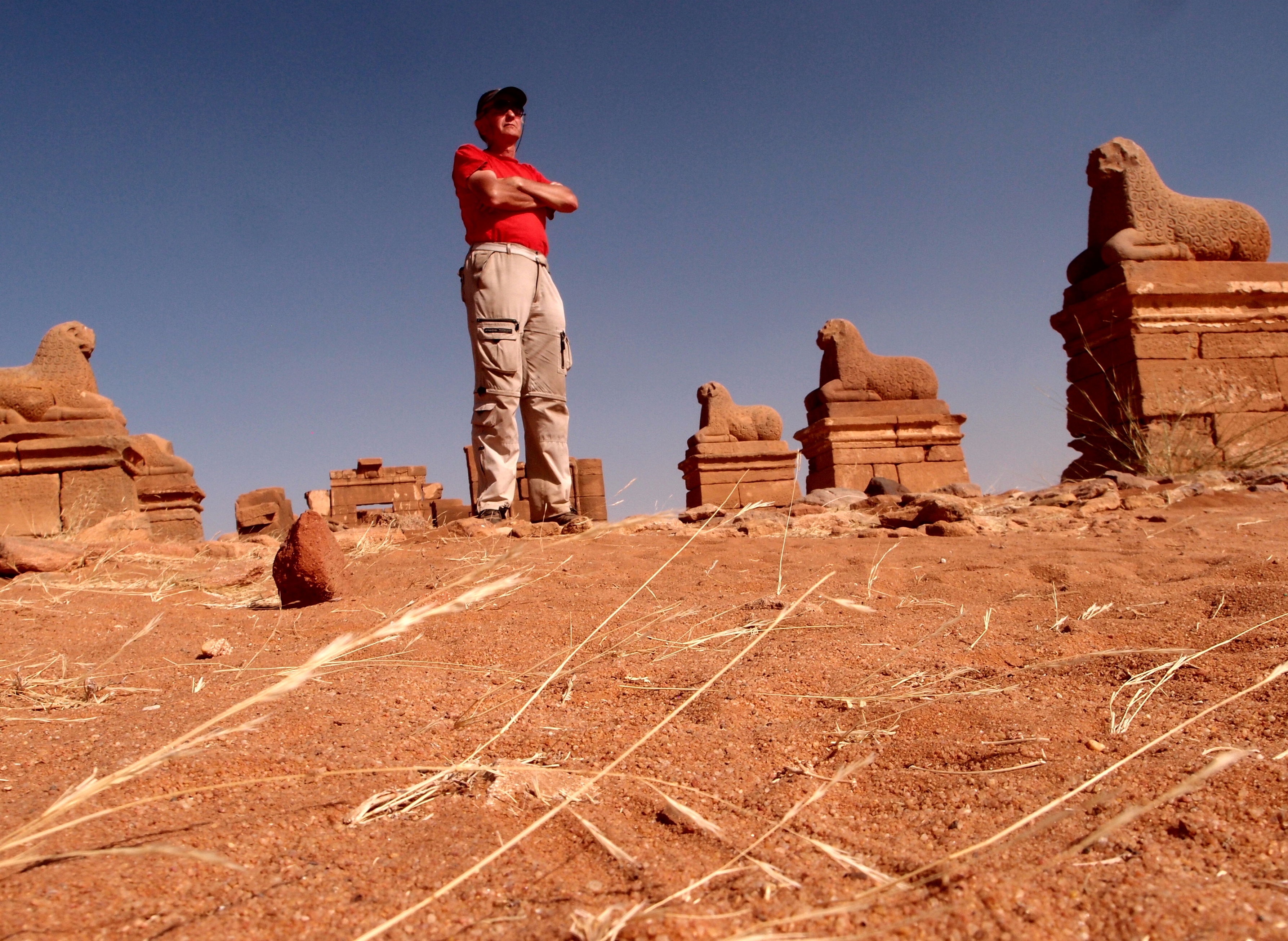
In Naga, a ruined ancient city of the Kushitic Kingdom of Meroë, Sudan (UNESCO World Cultural Heritage Site)
Hard work in excavating a pyramid in El-Kurru, part of the Sudanese UNESCO World Heritage Site, Gebel Barkal and the Sites of the Napatan Region
With a team of Polish archaeologists at the base in El-Kurru. Archaeological station is headed by Professor of the University of Warsaw, Mahmoud Mahmoud El-Tayeb (first from left).
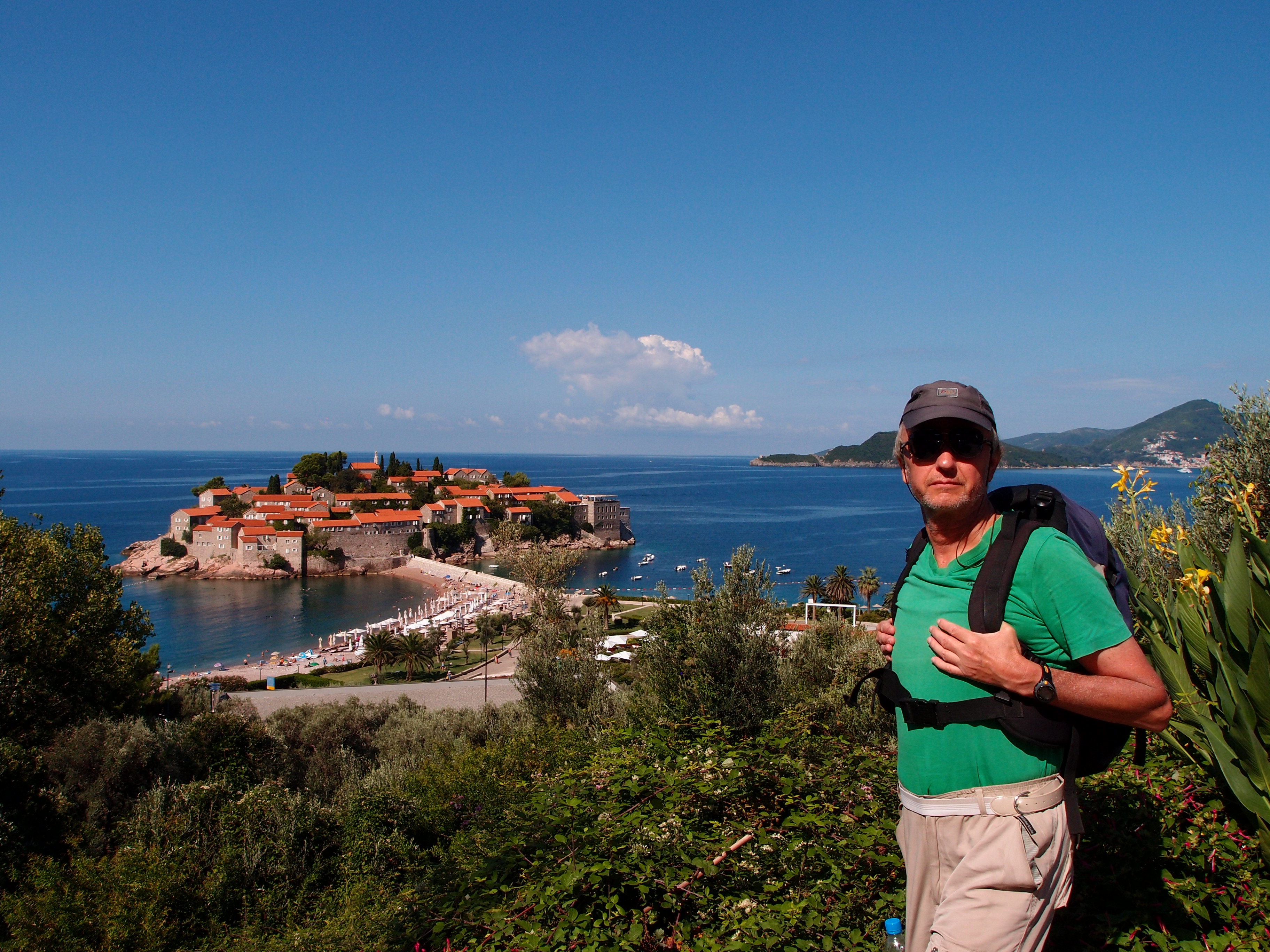
Sveti Stefan, Montenegro.
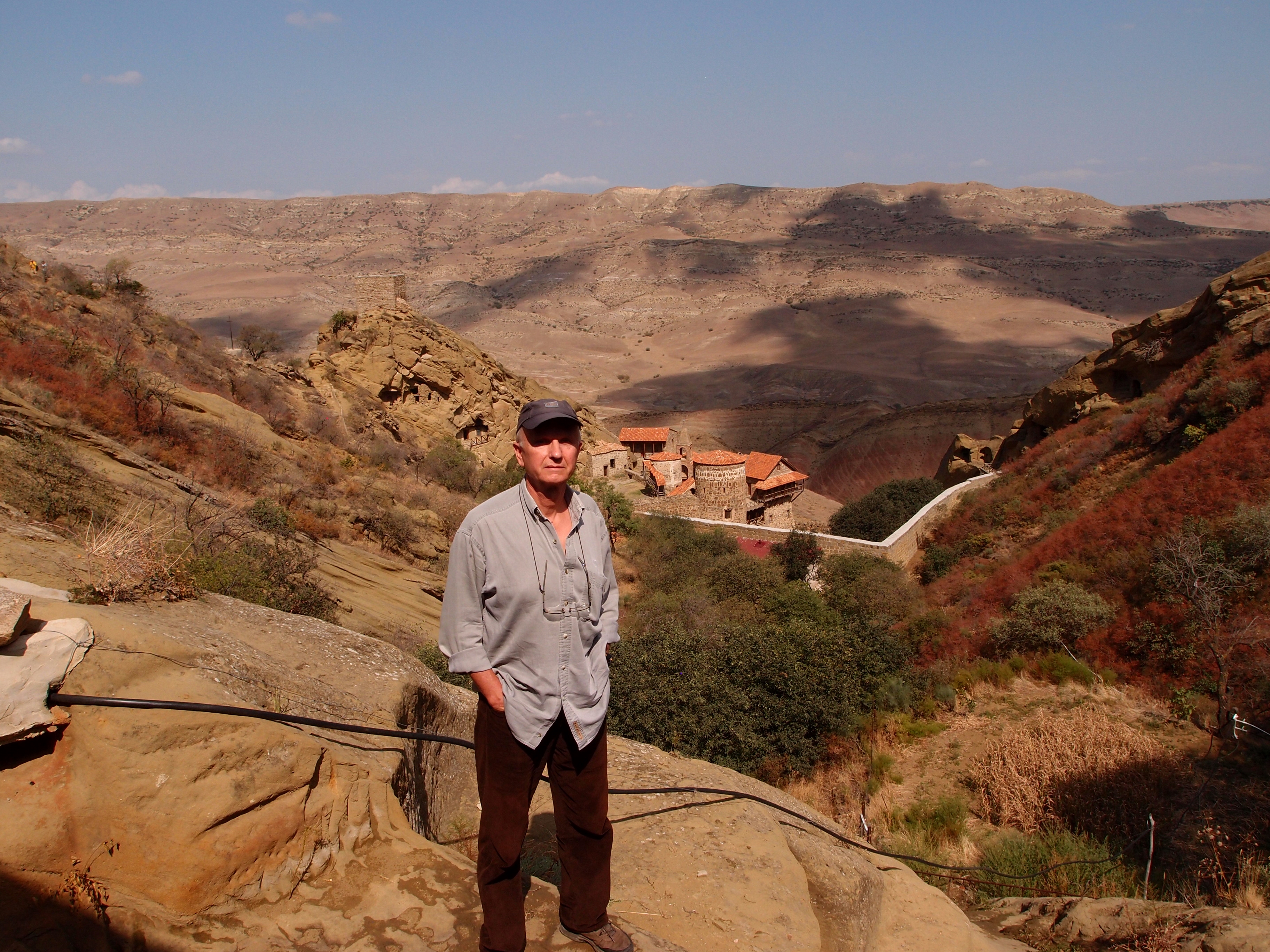
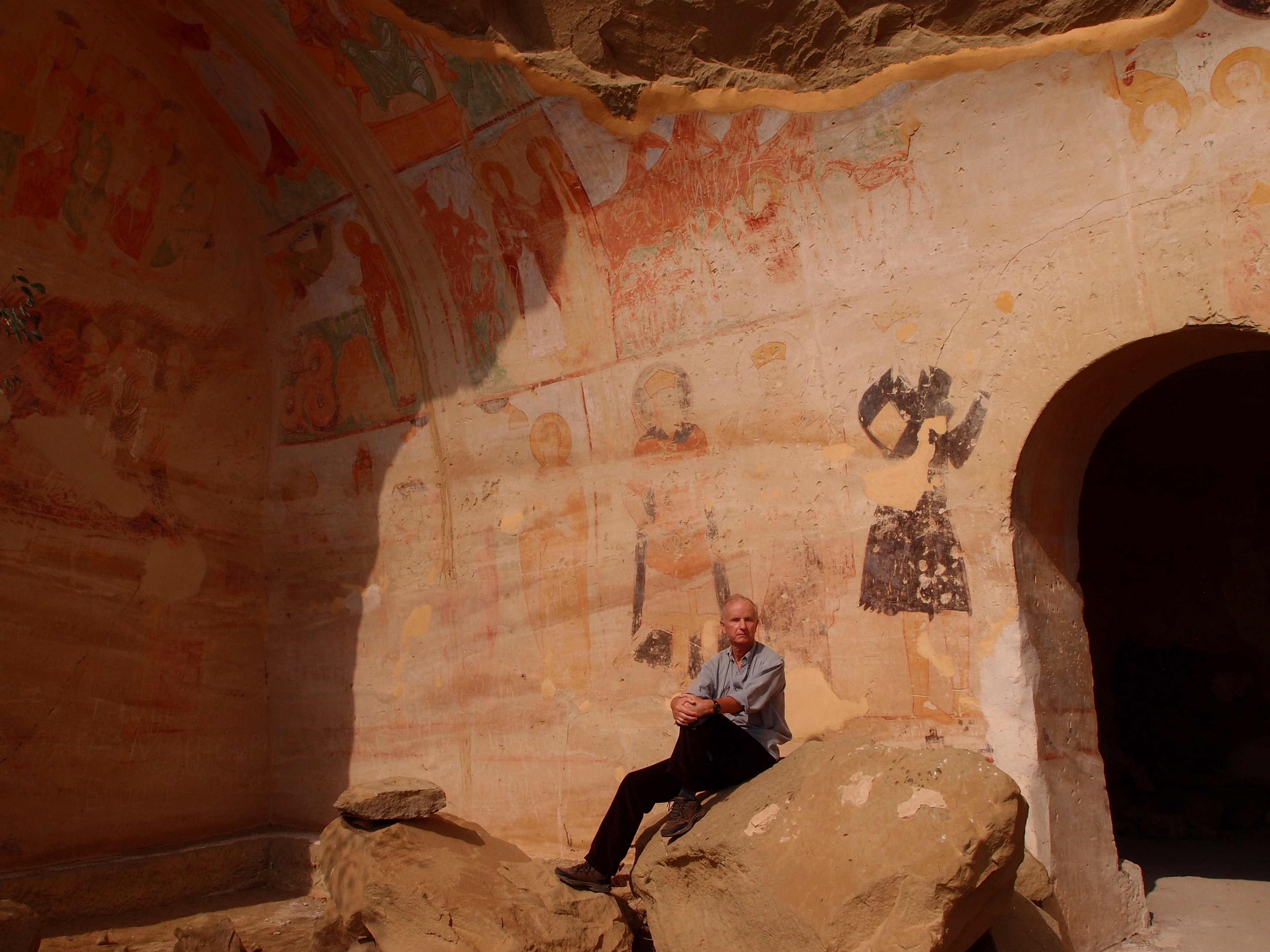
Georgia. In Davit Geraja monastery at the Caucasus on the border with Azerbaijan.
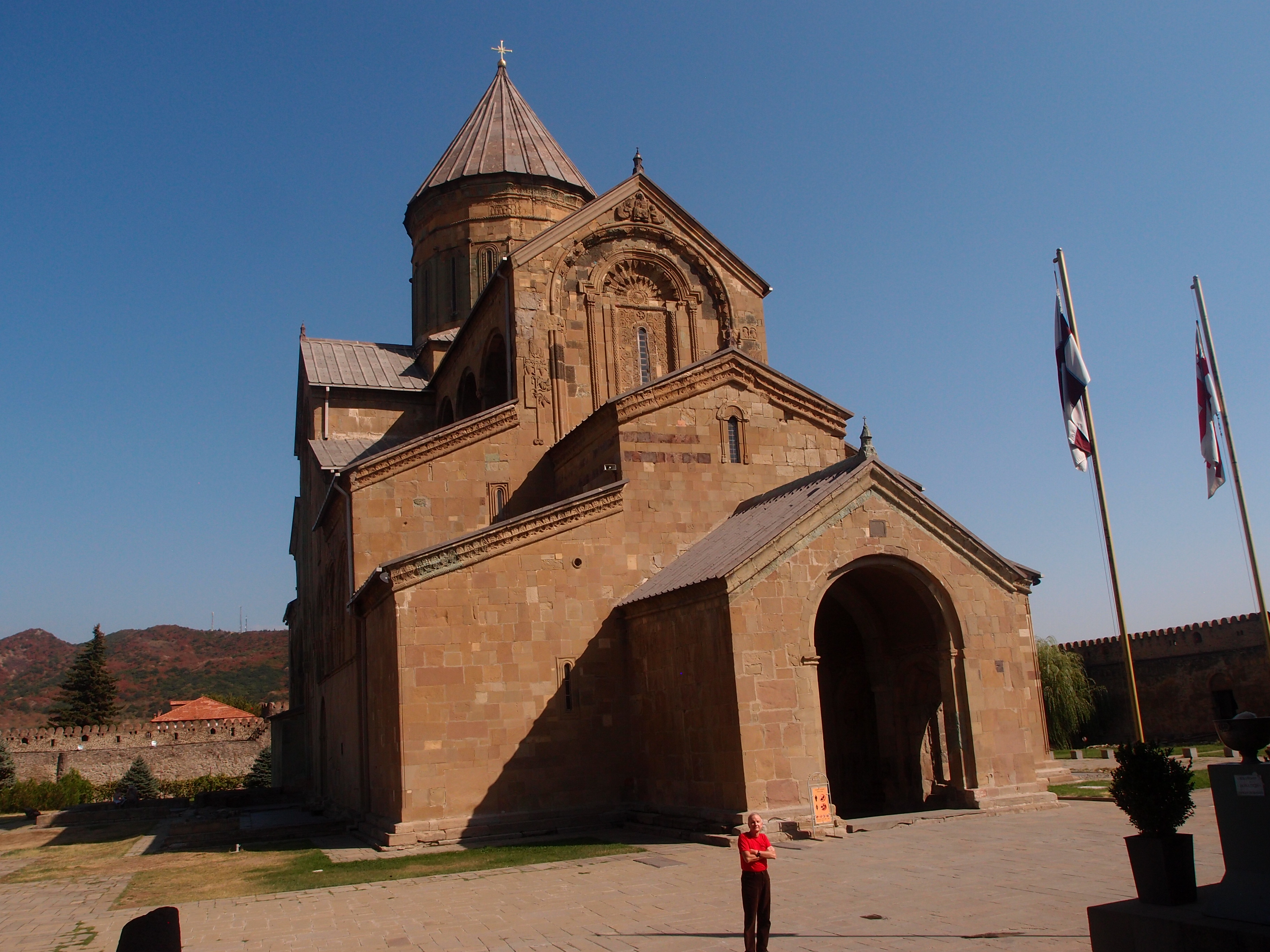
Zabytkowe kościoły Mtskheta, dawnej stolicy Gruzji, to świetne przykłady średniowiecznej architektury sakralnej w regionie Kaukazu. Pokazują one wysoki poziom artystyczny i kulturalny onegdajszego starożytnego królestwa na tamtych ziemiach (UNESCO World Cultural Site).
At the complex of Koguryo Tombs in North Korea
The Buddhist temple in North Korea
Historic Monuments and Sites in Kaesong, including the stone bridge from 12th century, have been recognized as the UNESCO Cultural World Heritage Sites (http://whc.unesco.org/en/list/1278)
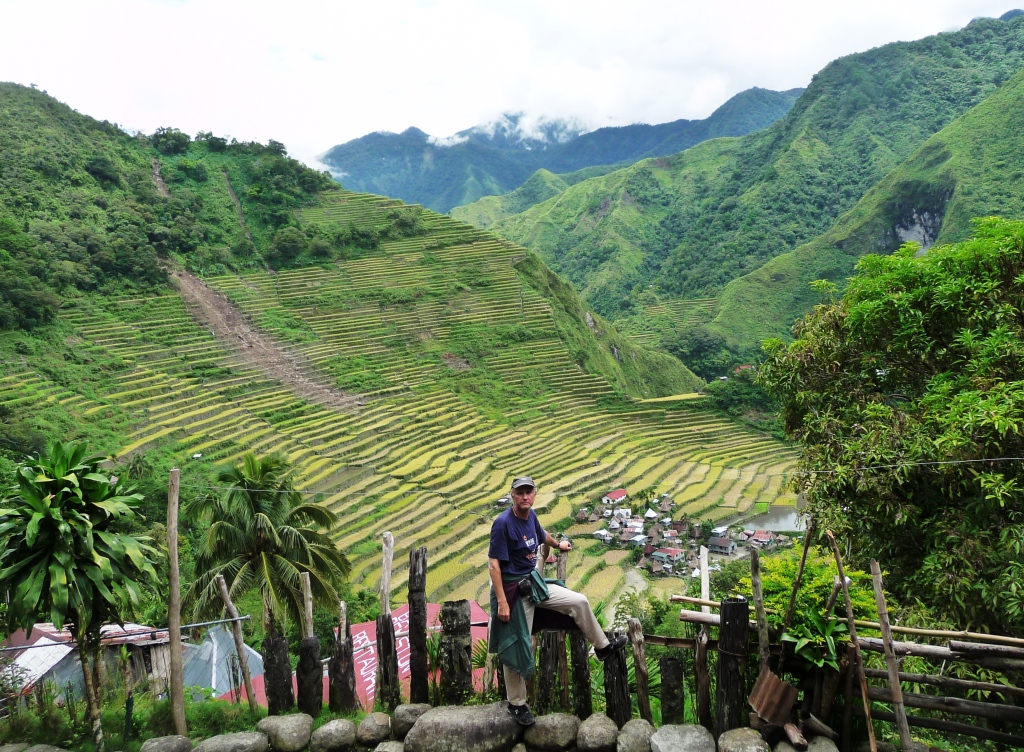
The beauty of the rice terraces in north Luzon at the Philippines, cultivated by the Ifugao people for more than two millennia, has been acknowledged by the UNESCO with the World Heritage Site.
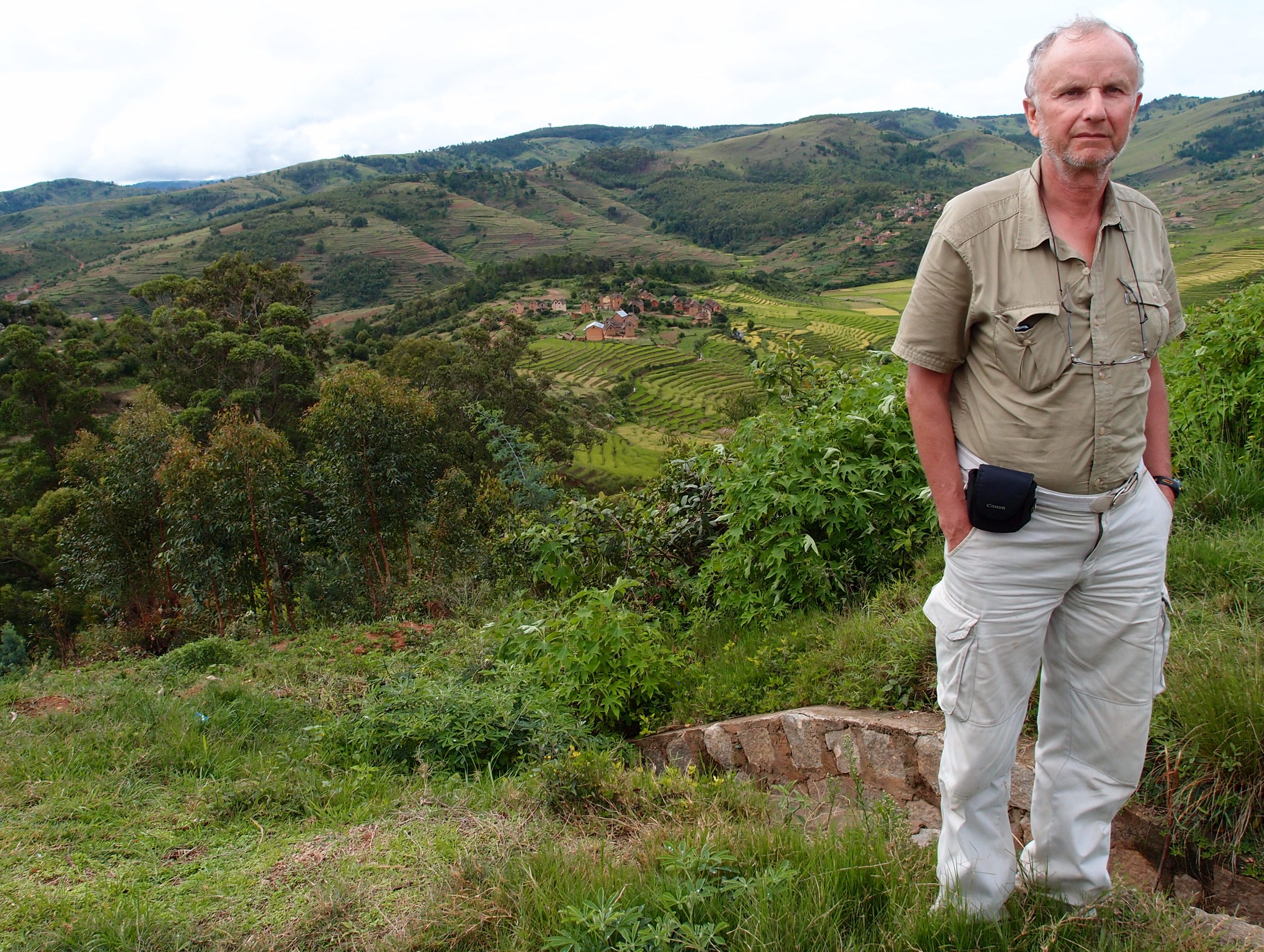
The rice fields at Madagascar hills.
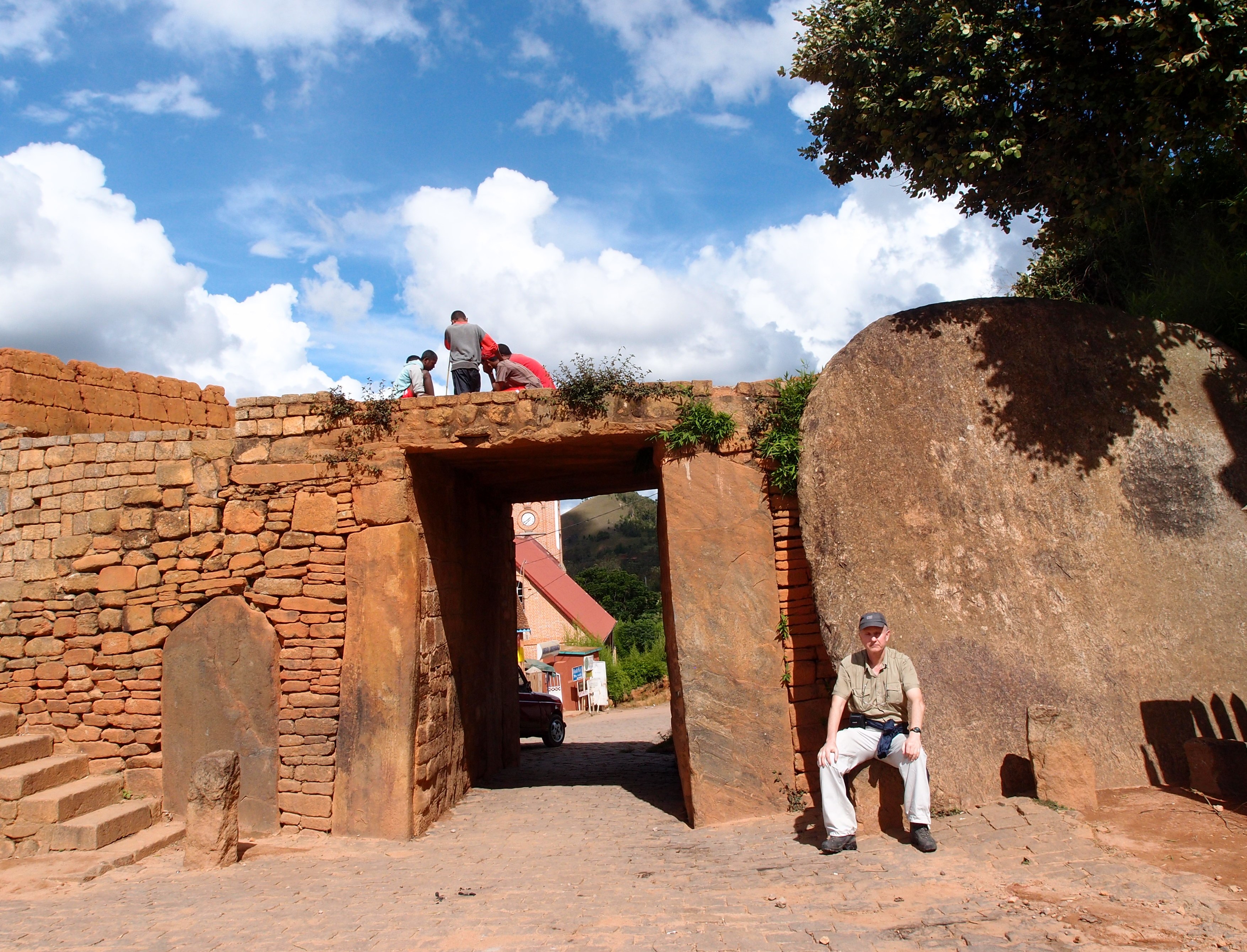
At the outskirt of Madagascar capital city, , Antananarivo, the Royal Hill of Ambohimanga „has maintained its spiritual and sacred character both in ritual practice and the popular imagination for the past 500 years. It remains a place of worship to which pilgrims come from Madagascar and elsewhere.” (UNESCO World Cultural Heritage Site)
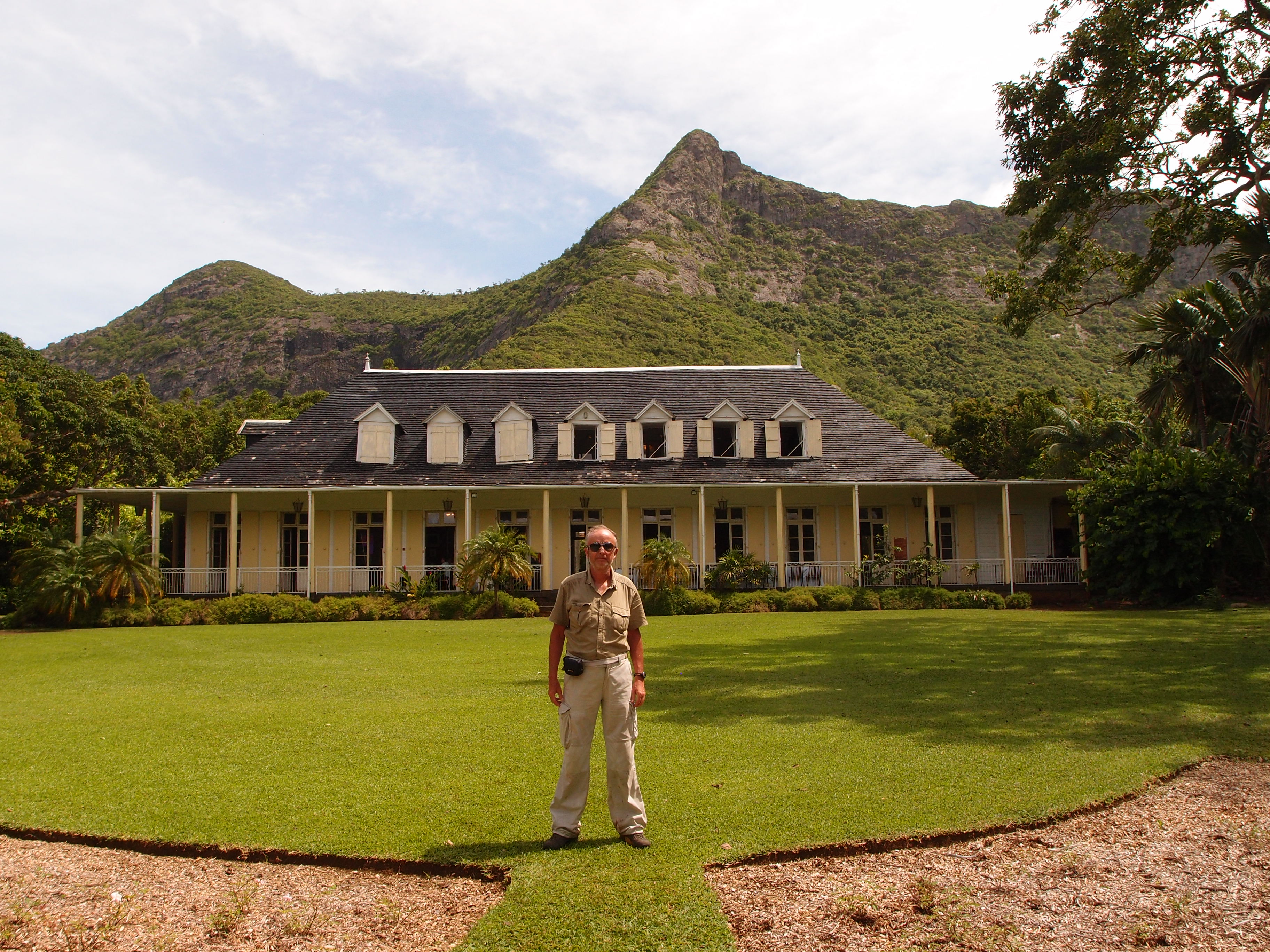
At the heart of mountainous Mauritius island, between the sugar cane plantations, there is a beautiful mansion from the colonial period, Eureka.
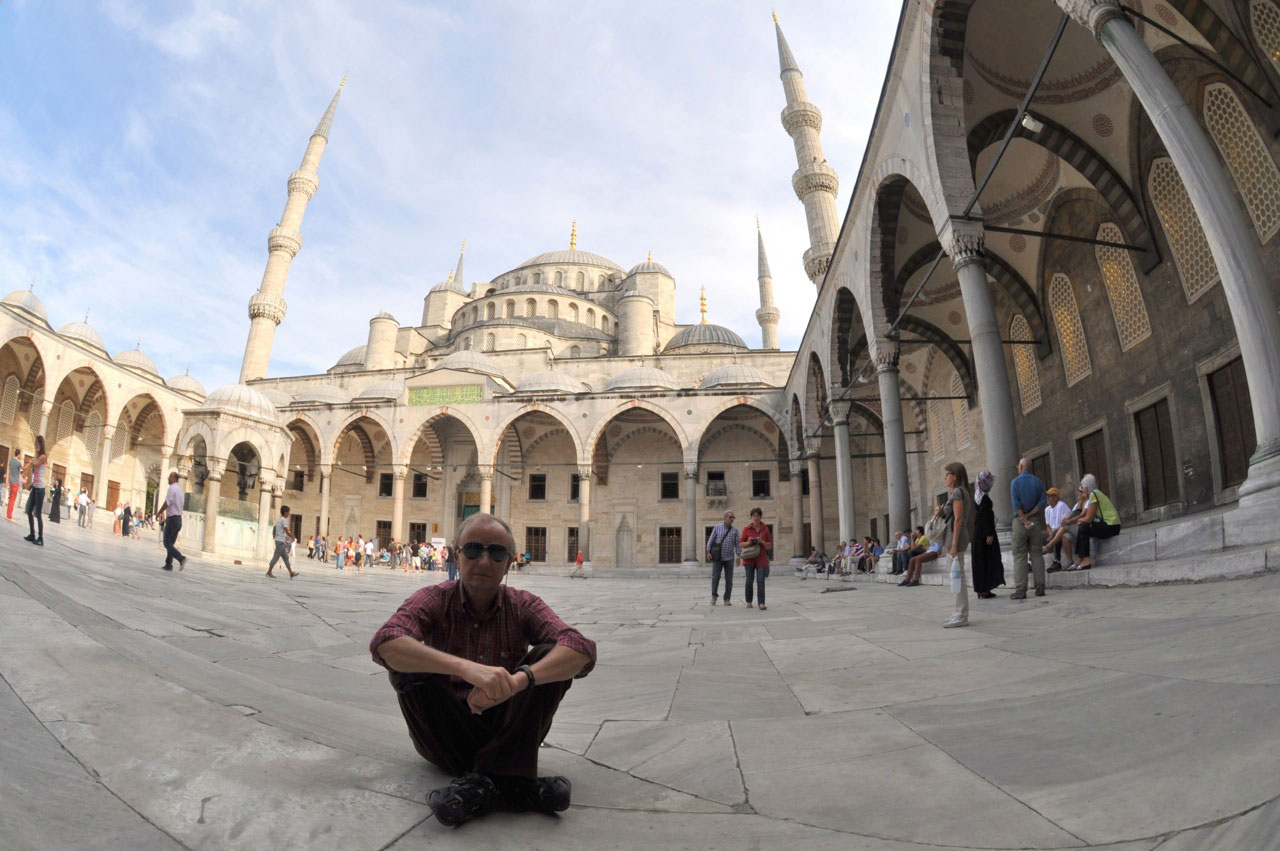
In the Blue Mosque in Istanbul
In the Great Mosque-Cathedral of Cordoba.
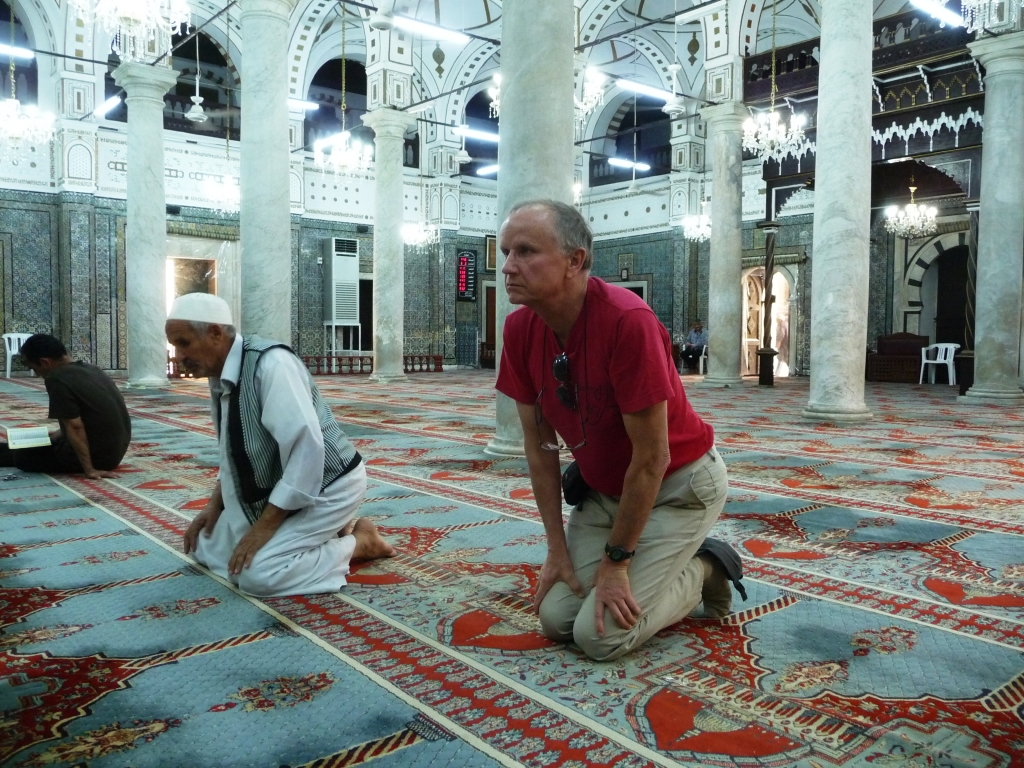
A moment of reflection in over 1200 years old mosque in Tripoli, Libya
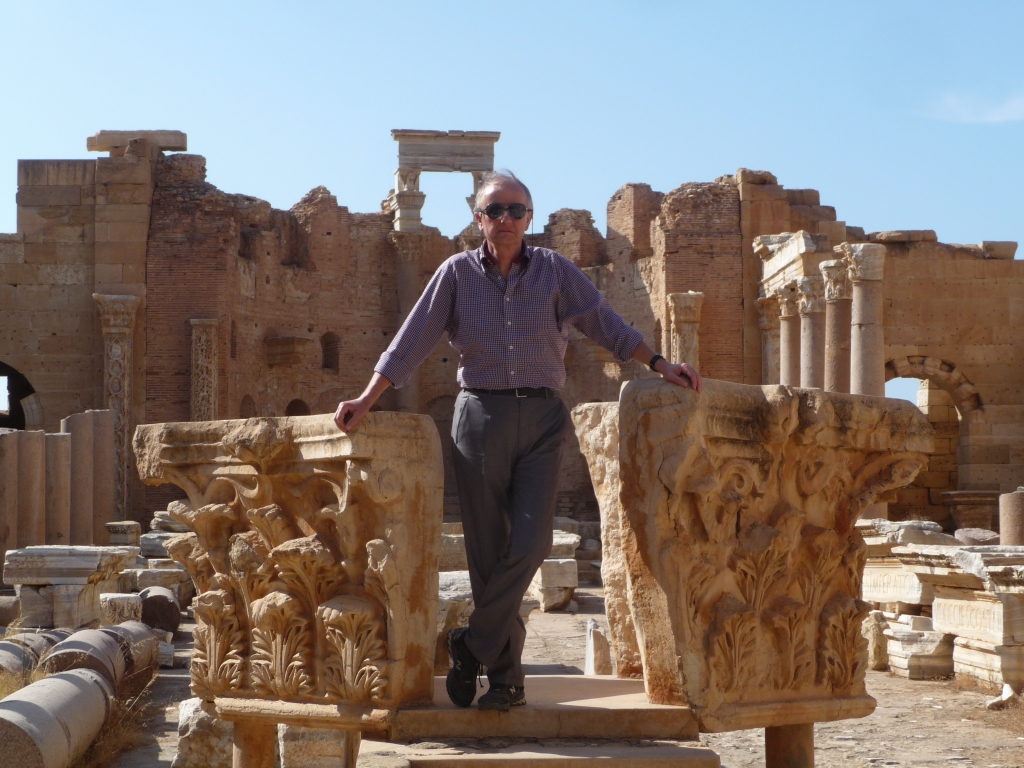
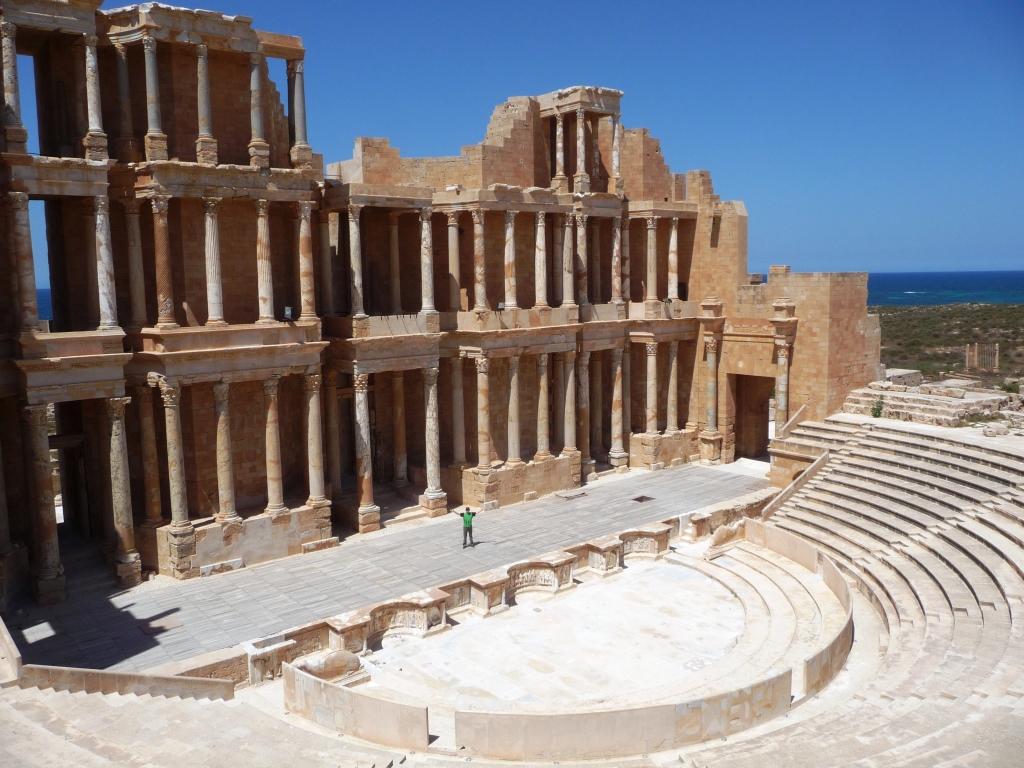
On the Meditteranean Sea coast in Libya one can admire couple of magnificent historical places, as the Roman Leptis Magna, acknowledged as the UNESCO World Culture Heritage Site.
Also Sabratha, built at the time of Roman empire, now in Libya, has earned the UNESCO status.
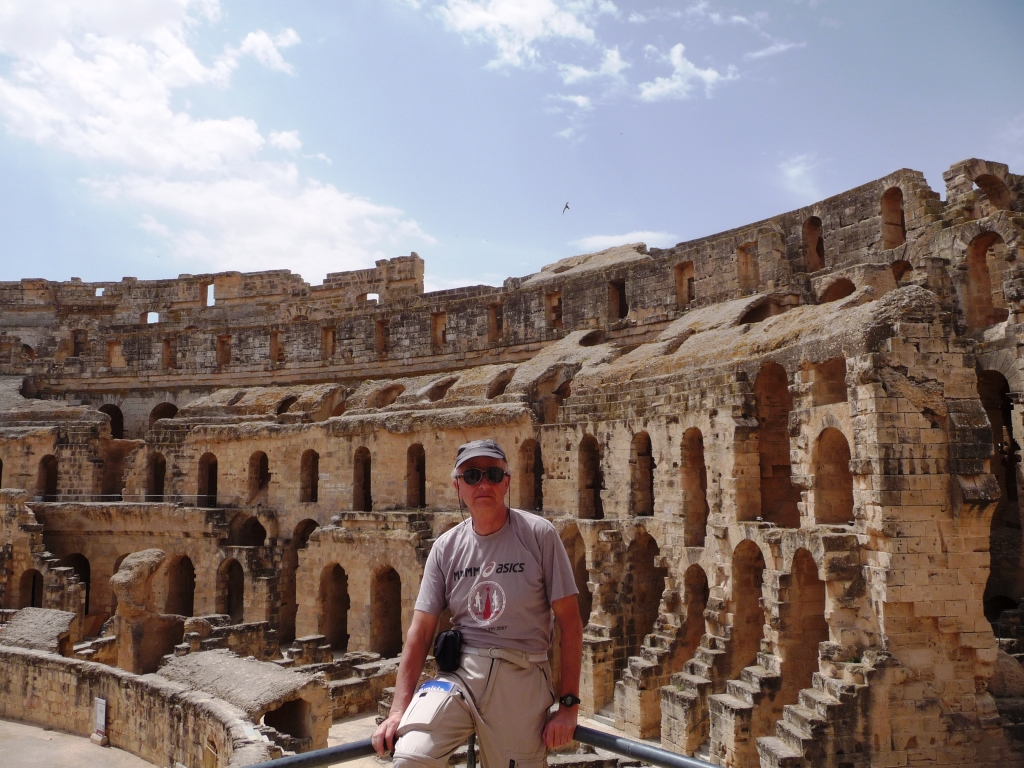
Colloseum of El Jem, with its imposing mphitheatre, is the third largest structure of this kind in the world.
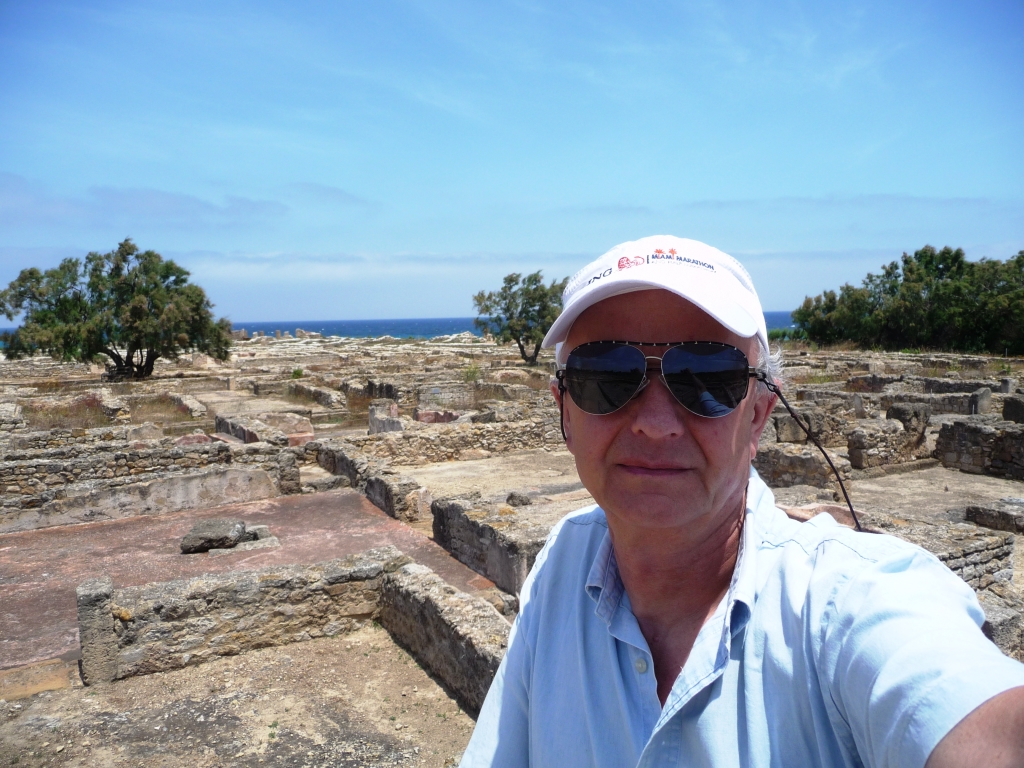
The ruins of the Phoenician city Kerkuane are the best preserved remains of the old civilization.
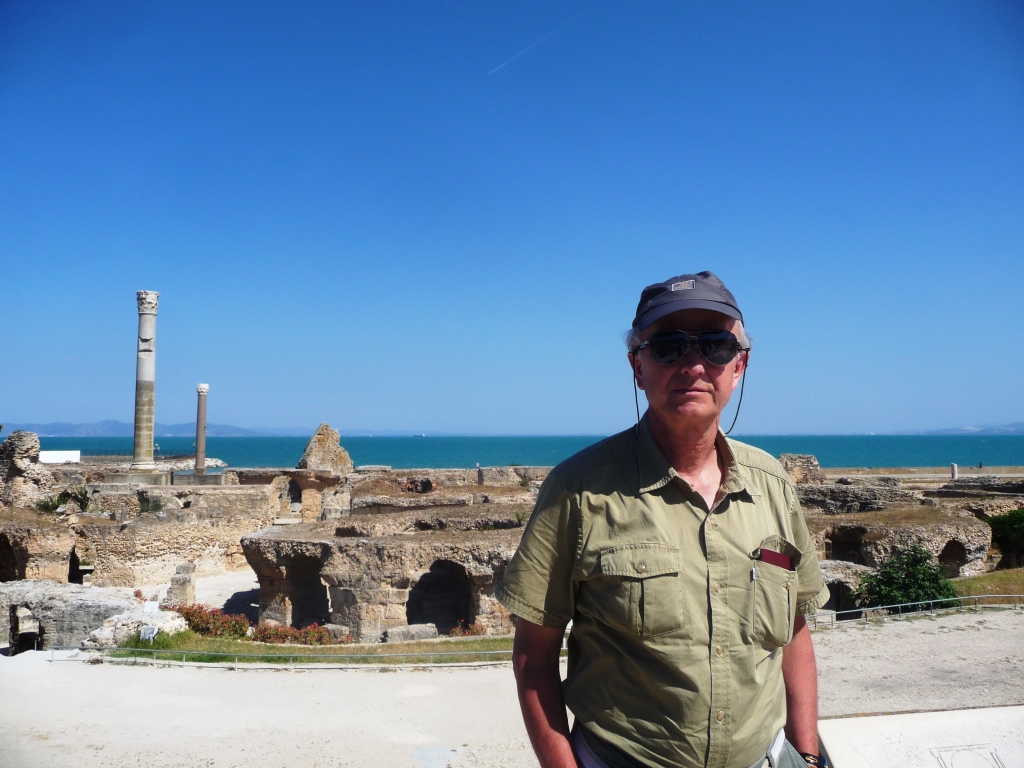
Not far from Kerkuane is what remains from famous Carthage. The city was destroyed by the Romans and what we can see there today (as here the Anthonius baths) is what has been left after the Vandals destroyed the Roman city. At least the latter didn't claim that they did it in the name of progress... And later the rest was done by the cruel passage of time.
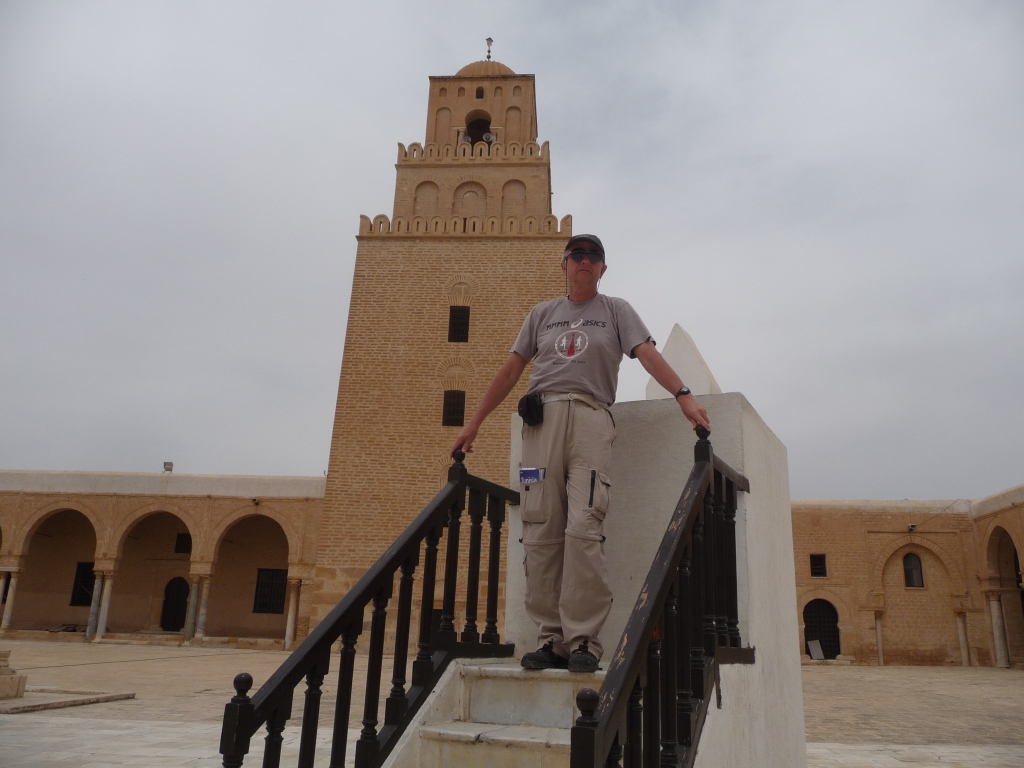
At the courtyard of the fourth (after Mecca, Medina, and Jerusalem) holiest mosque of Islam in Kairouan in Tunisia
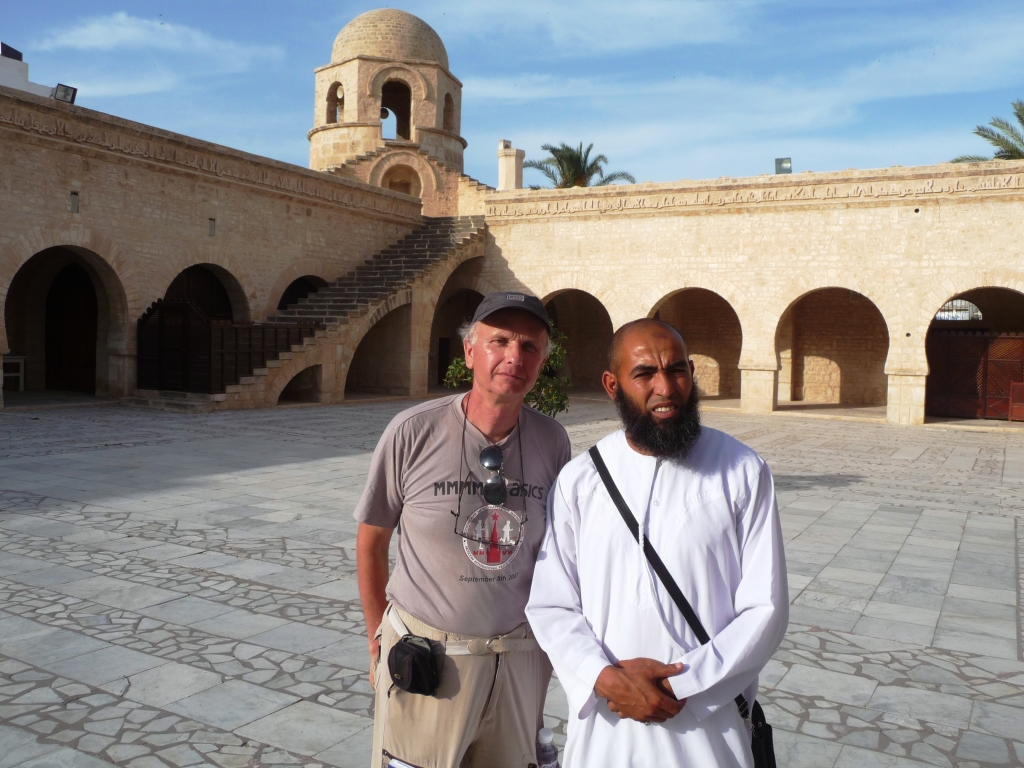
Old Town, or Arabian Medina of Sousse, with its Great Mosque, also has been awarded the status of World Heritage Site.
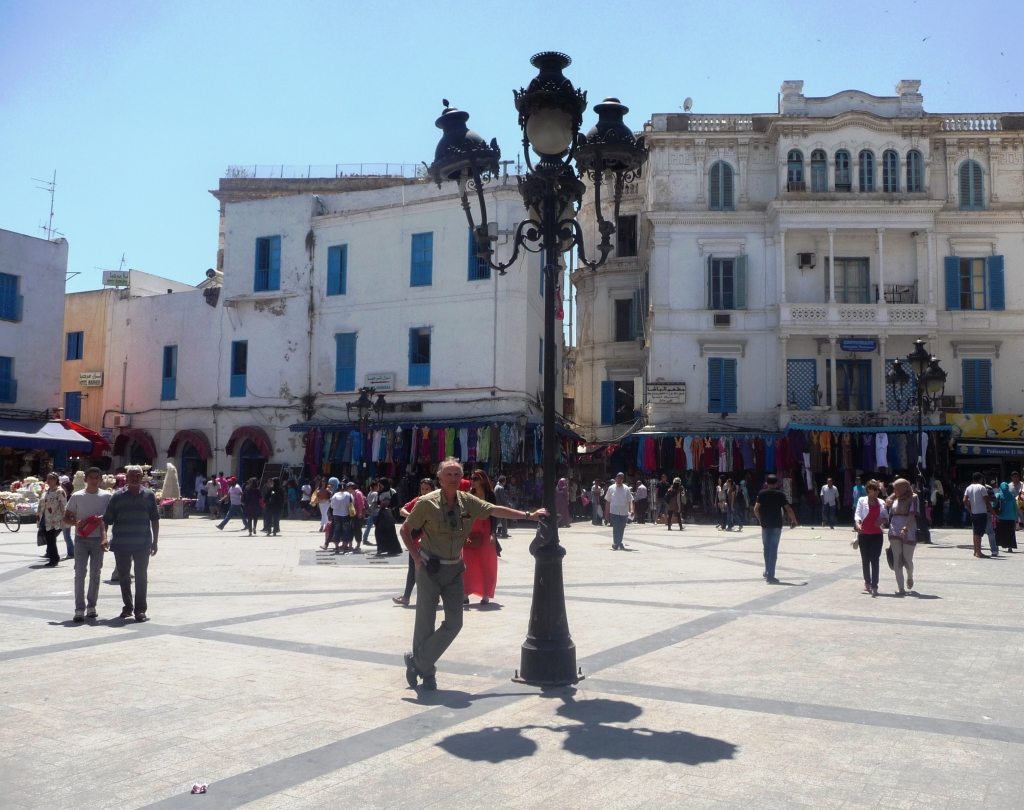
So is the case of the Medina of Tunis, which has received the UNESCO status too.
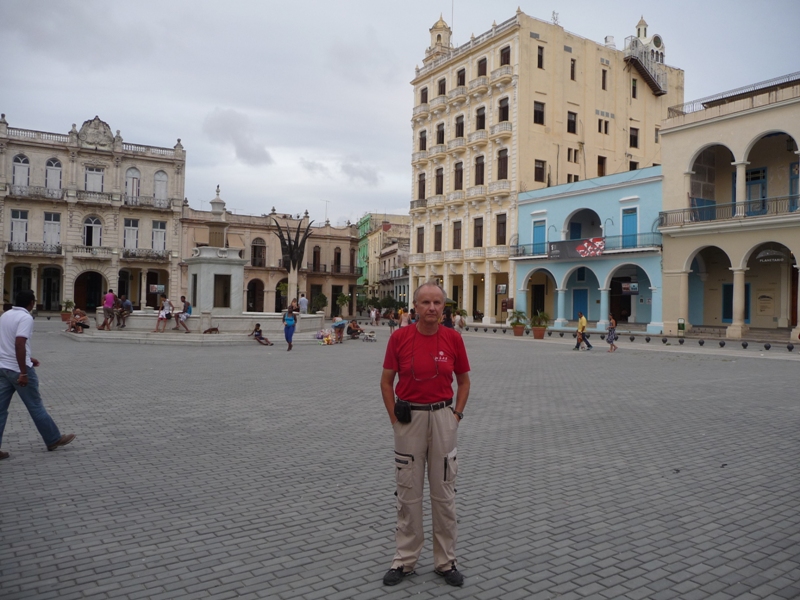
In recent years a part of Old Havana, or Havana Vieja, has been beautifully restored.
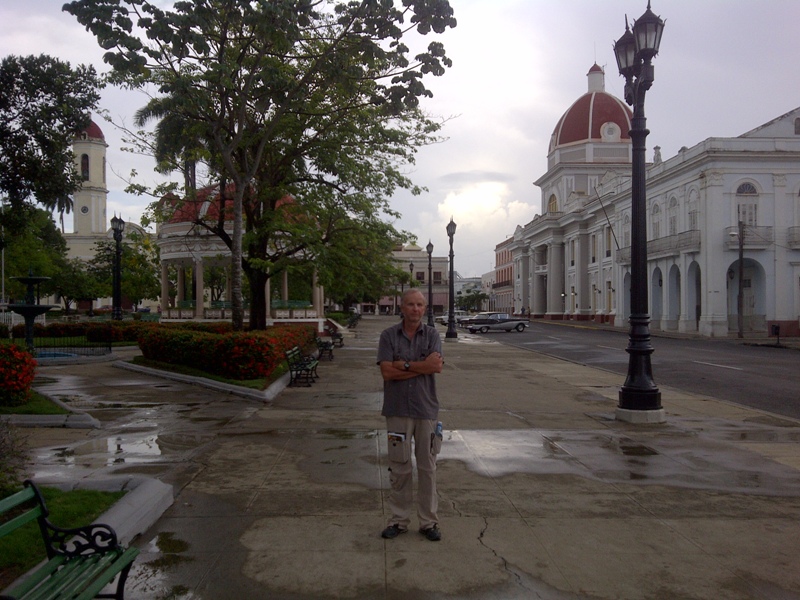
Not only the Old Town of Havana has been awarded with the UNESCO site status. It is so also in the case of historic center of Camaguey... /p>
…and neoclassical French colonial architecture of Cienfuegos...
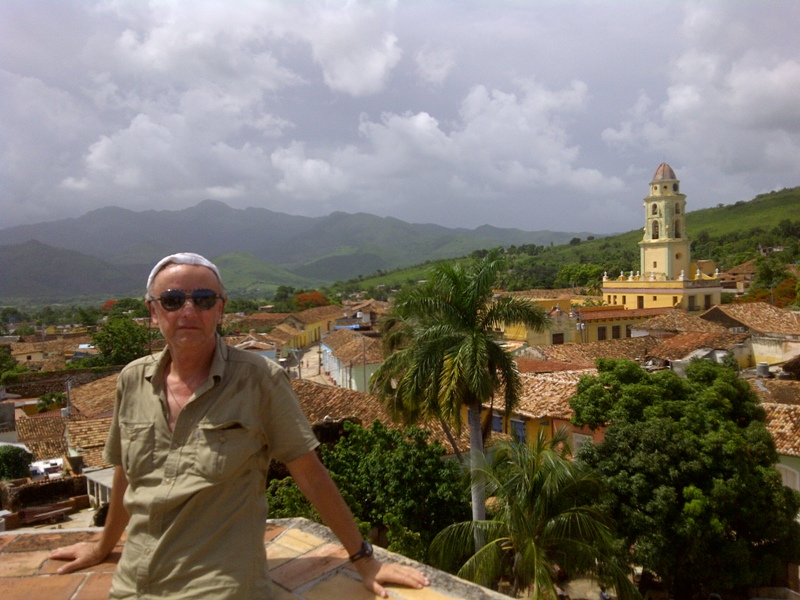
…and in one of the best preserved and gorgeous old Spanish colonial town of Trinidad. It seems that time has stopped here century and a half ago…
Not far away from Trinidad, in the Valle de los Ingenios, one can find the remains of 75 sugar mills and other sites showing how the whole region was depending on the sugar plantations and industry.
The remains of the 19th-century coffee plantations, established in the foothills of the Sierra Maestra by the French colonizers escaping from the slaves upheaval in Haiti, Cafatel la Isabelica, are worth a visit too. It’s tranquil and a stunning place, yet also provoking reflections how miserable was the live of slaves brought there from Africa.
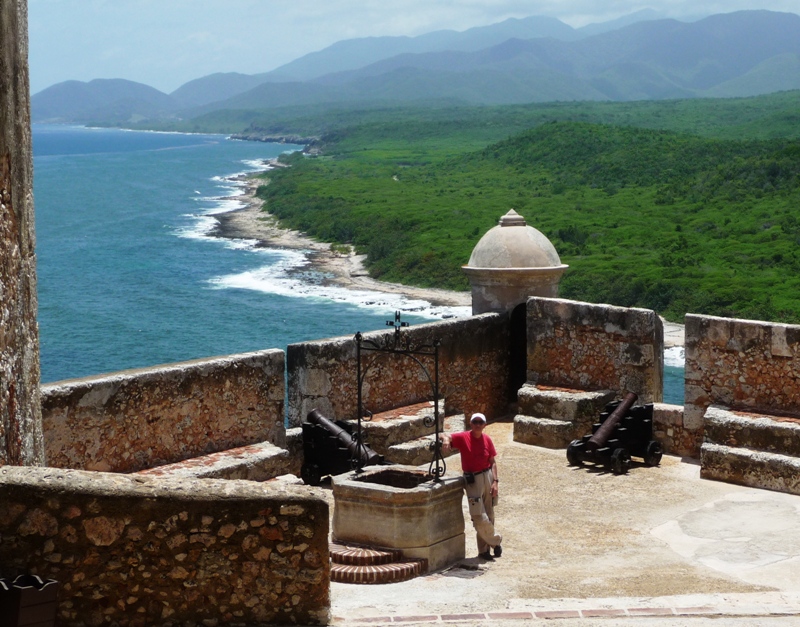
The commercial and political rivalries had caused also the military conflicts between the colonizers of the Caribbean region. Some of them had to protect themselves from the attacks of the others. And all of them from the pillages of the pirates. Thus the fortress have been constructed, as San Pedro de la Roca protecting the entry into the Santiago harbour.
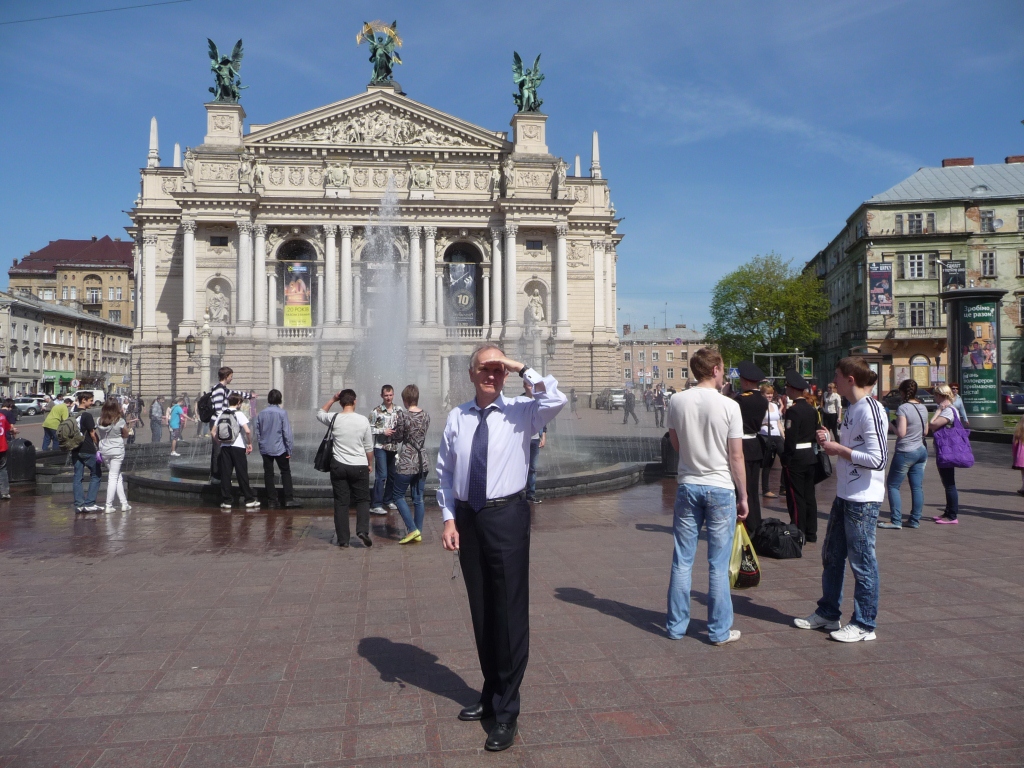
At the front of Lviv opera, next day after the balet "Esmeralda" (whc.unesco.org/en/list/865)
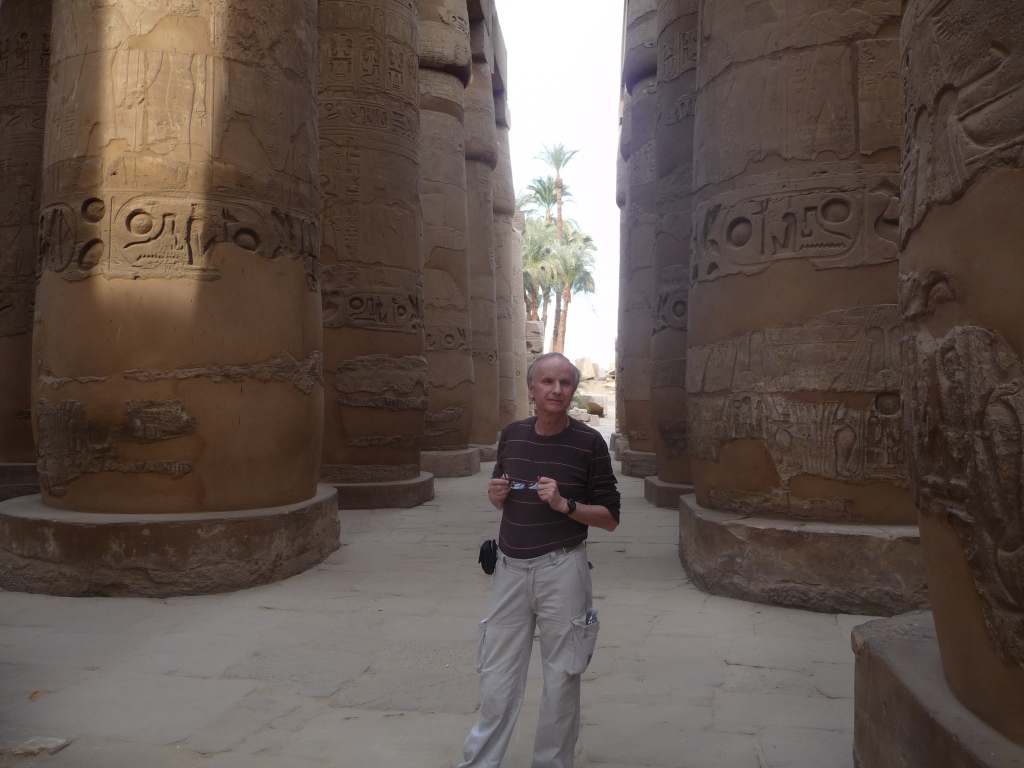
The Karnak Temple in Ancient Thebes. One of the greatest monuments ever built in the history of mankind.
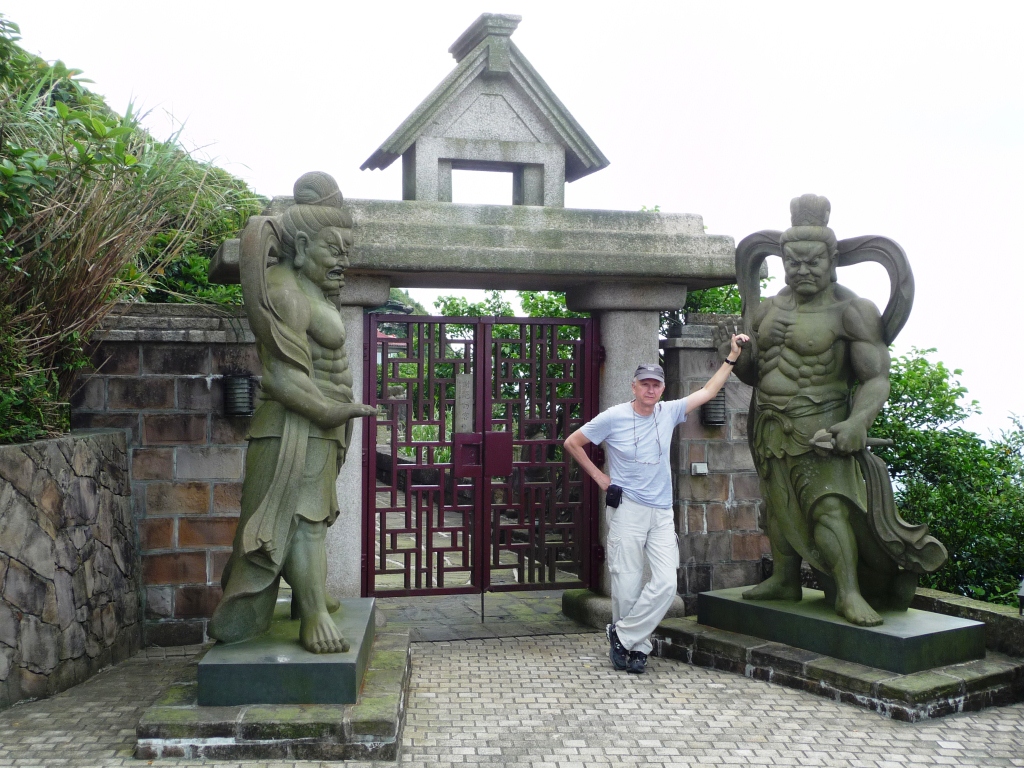
Taiwan. In the multi-religions Monastery Wu Sheng at the top of Mount Ling jiou.
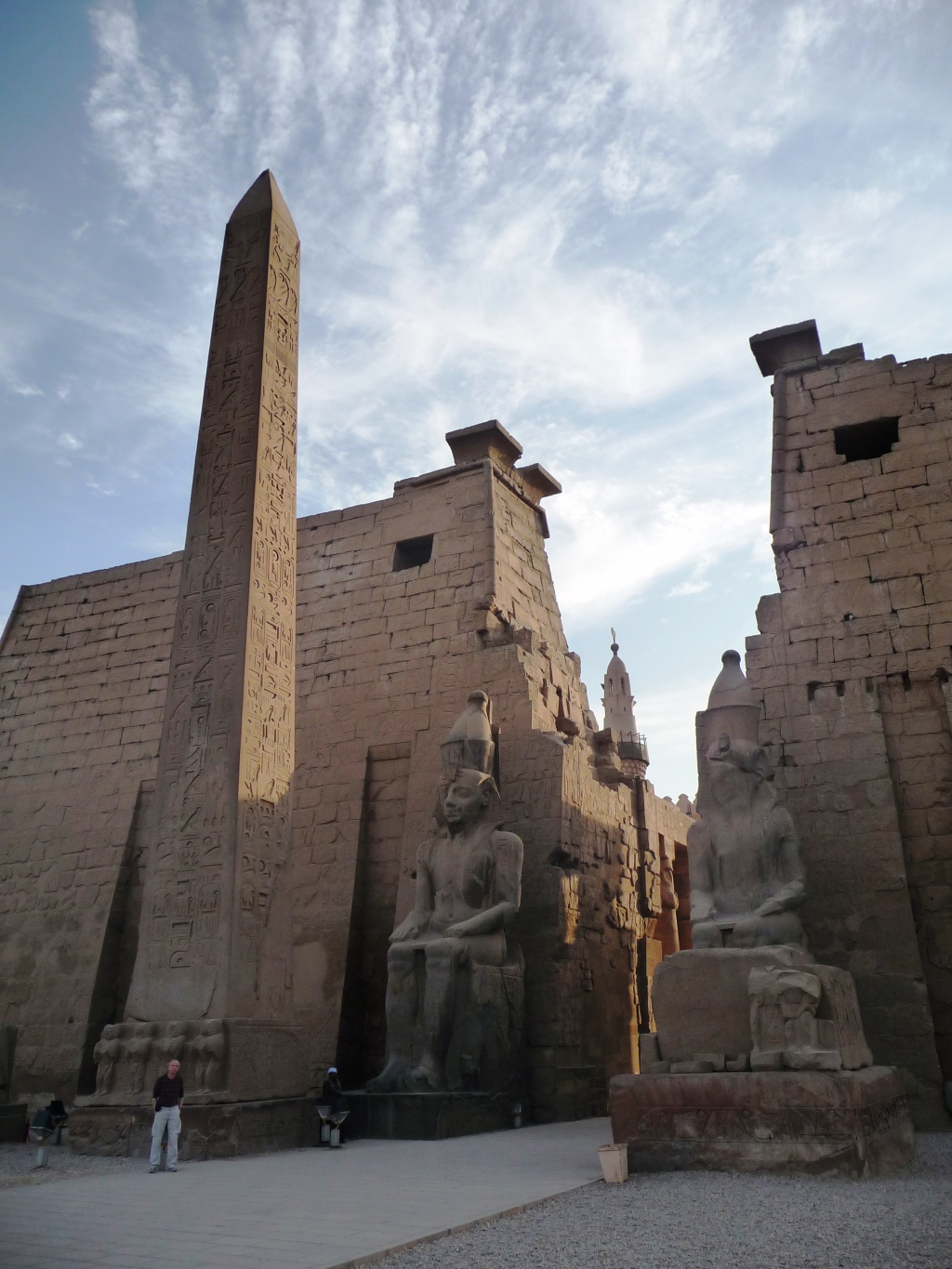
Luxor Temple is almost as wonderful as the nearby Karnak.
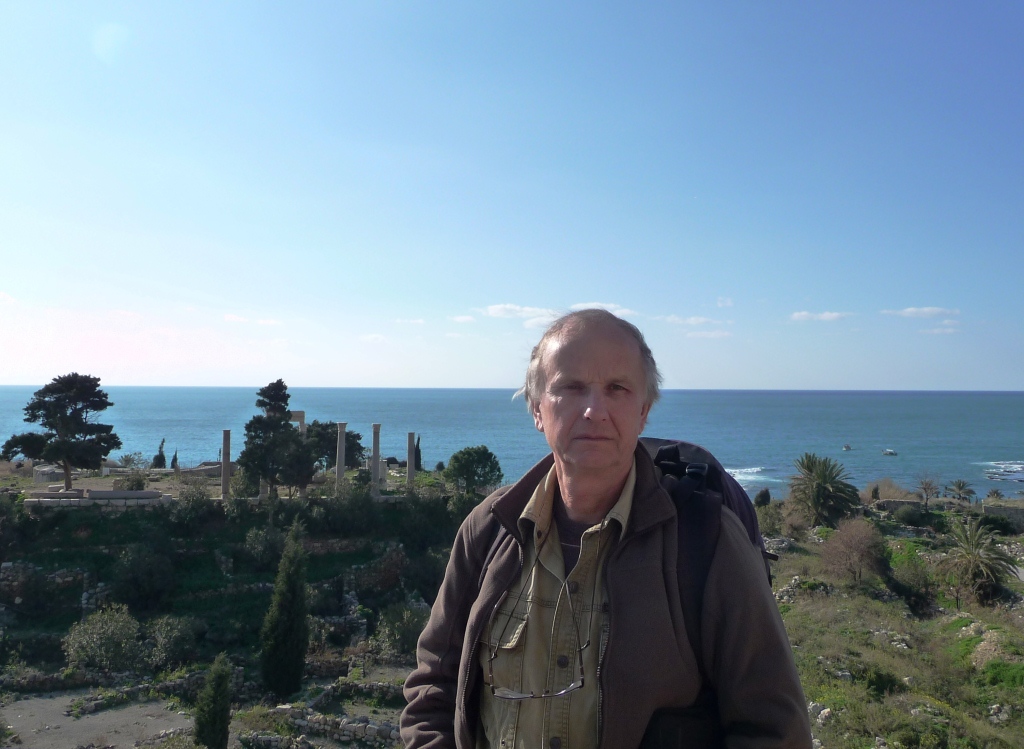
Lebanon. Byblos seems to be the oldest permanently inhabited settlement in the world. Here you can see layer over layer the stone remains of the subsequent cultu
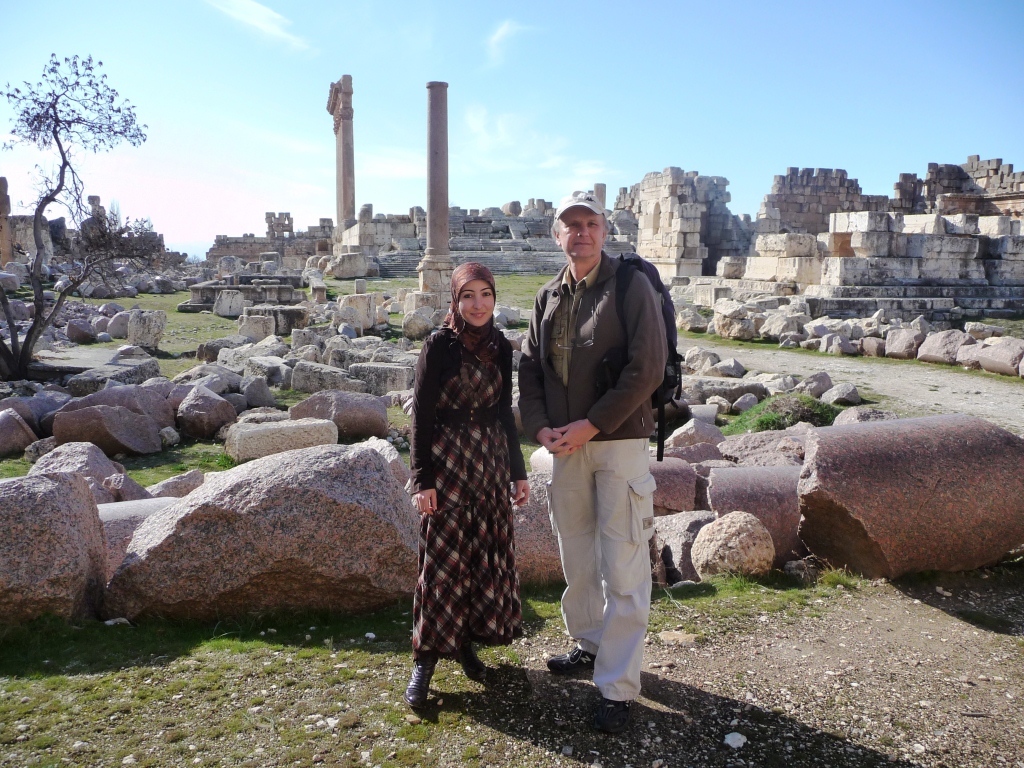
Lebanon. Baalbek, the Phoenician city in the valley of the same name, known as Helipolis during the Hellenic period.
Lebanon. The ruins of Anjar are still impressive and telling how advanced was culture of the Umayyads dynasty. The city was established by Caliph Walid in the 8th century.
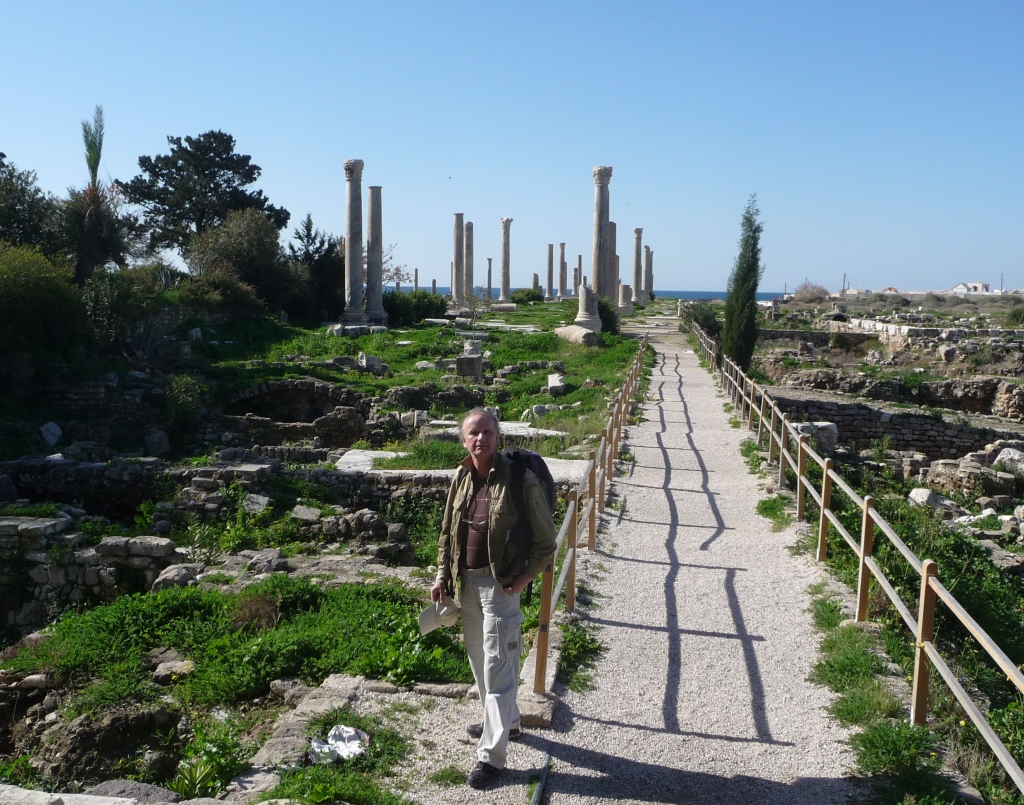
Tyre (Sour) was one of the greatest Roman culture center at the eastern end of the Mediterranean Sea.
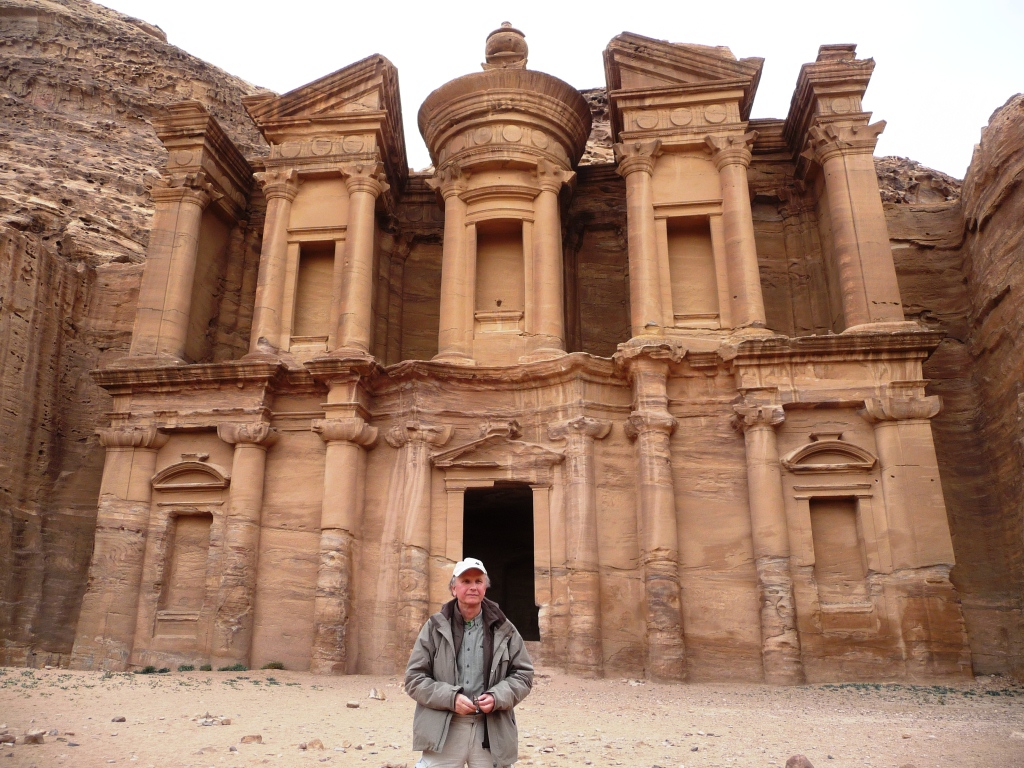
Jordan. Petra – the monument of Nabataean culture – indeed fascinates.
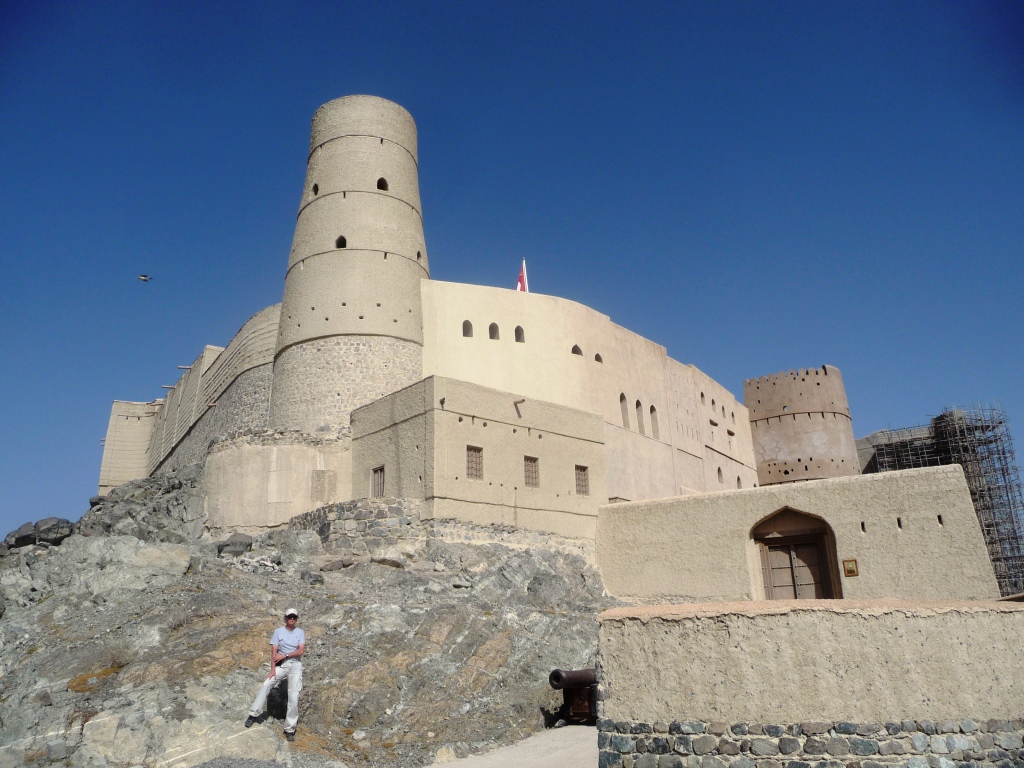
The immense Bahla Fort in Oman is fine example of the Omani defense architecture. It was built in the 15th century .
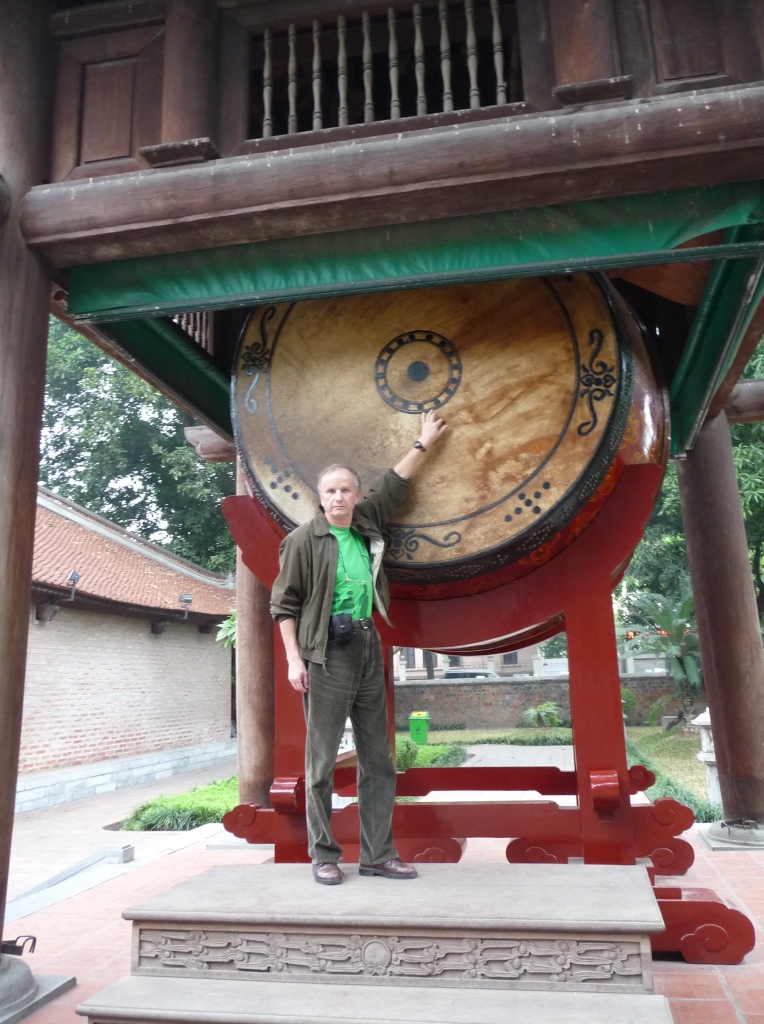
The Literature Temple in Hanoi, Vietnam.
The Hoi An Ancient Town in Central Vietnam luckily has been saved from turbulent years in the course of history, hence the beautiful architecture and arts have been protected here. It’s been appreciated by awarding Hoi An the UNESCO Cultural World Heritage Site (whc.unesco.org/en/list/948).
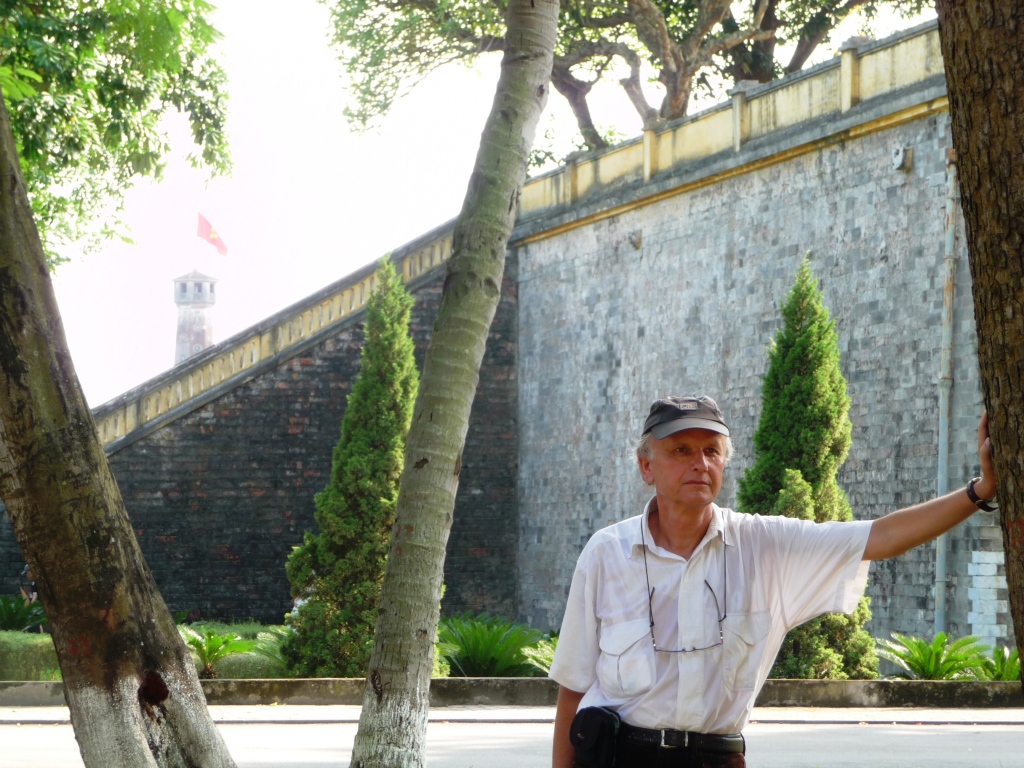
At the Imperial Citadel in Hanoi (whc.unesco.org/en/list/1328)
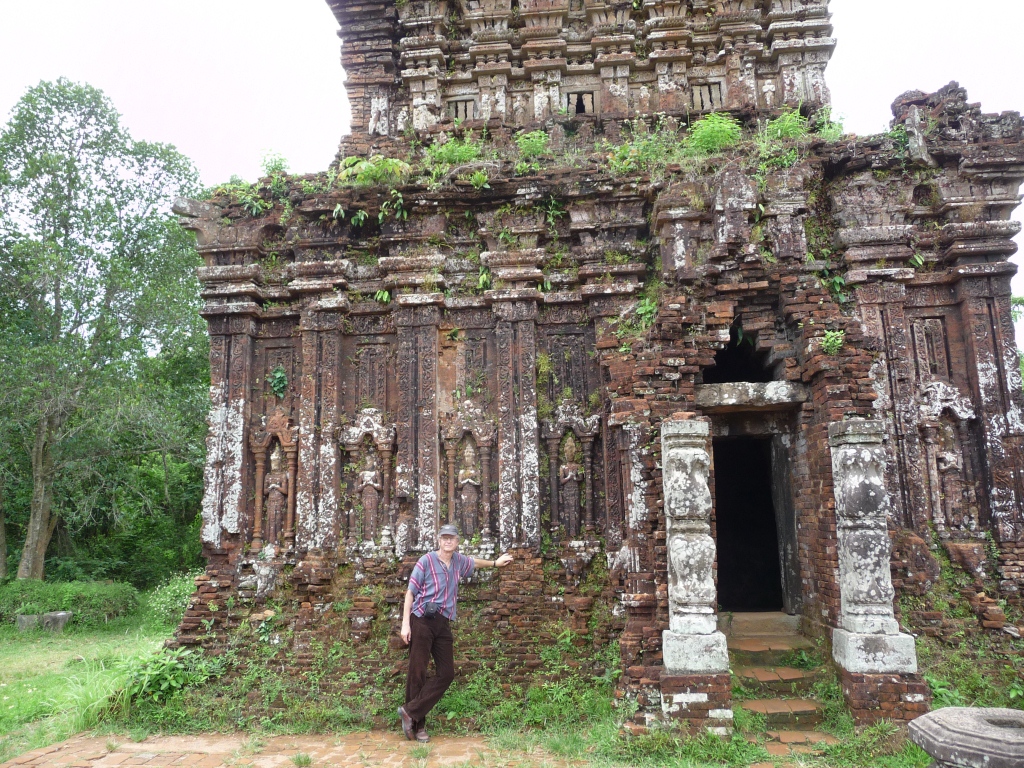
The My Son Sanctuary has gained the status of Cultural World Heritage Site (whc.unesco.org/en/list/949). Pomiędzy IV I XIII wiekiem rozkwitła tu, na wybrzeżu obecnego środkowego Wietnamu, kultura inspirowana Hinduizmem.
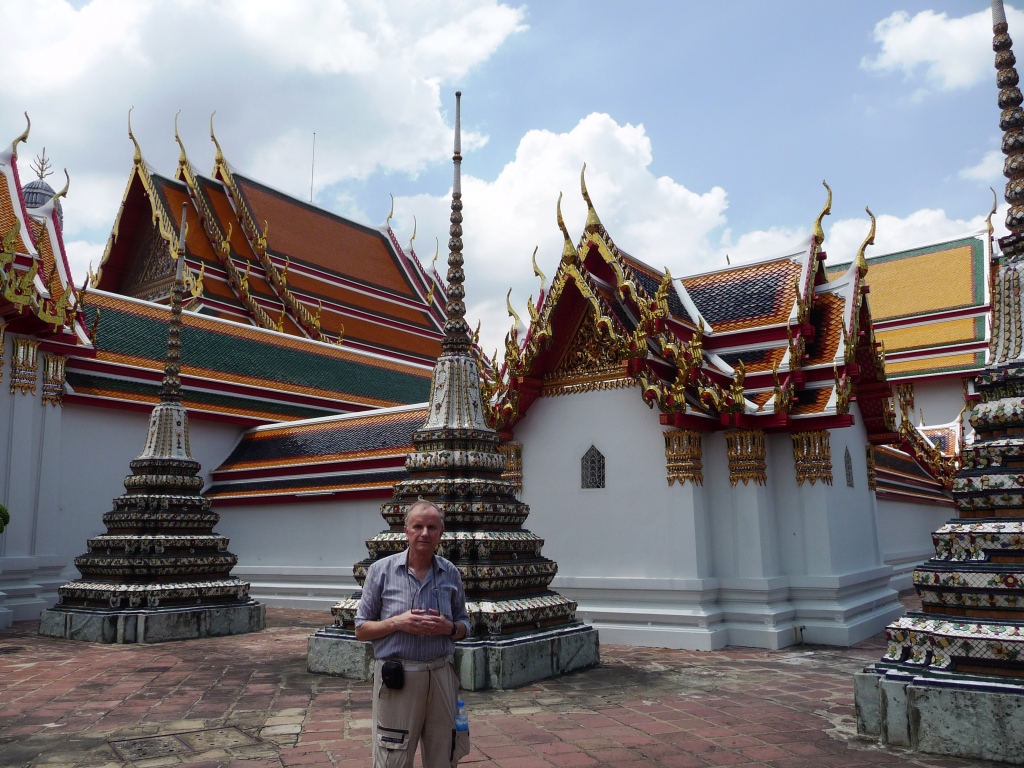
Bangkok. Wat Pho.
Disregarding the broken huge bell at the Moscow’s Kremlin, the largest bell in the world (90 tones) is since 1808 in the temple of Bodawpaya in Mingun, Myanmar (Burma).
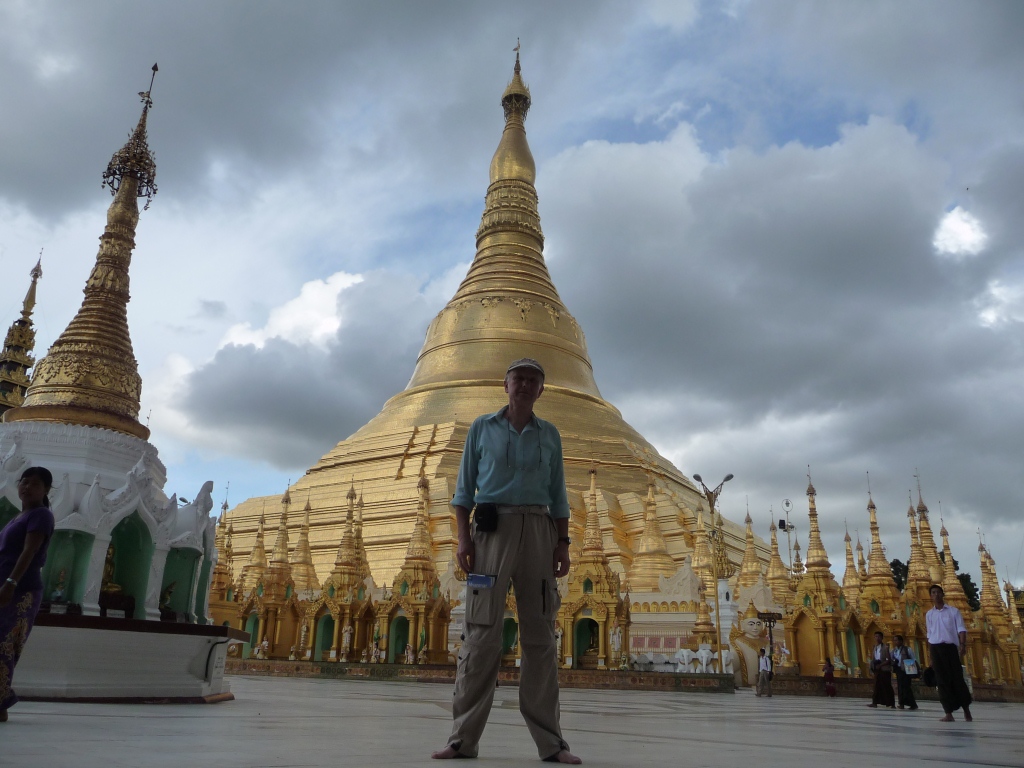
The beauty of Yangon pagoda, the Shwedagon Paya, is unspeakable...
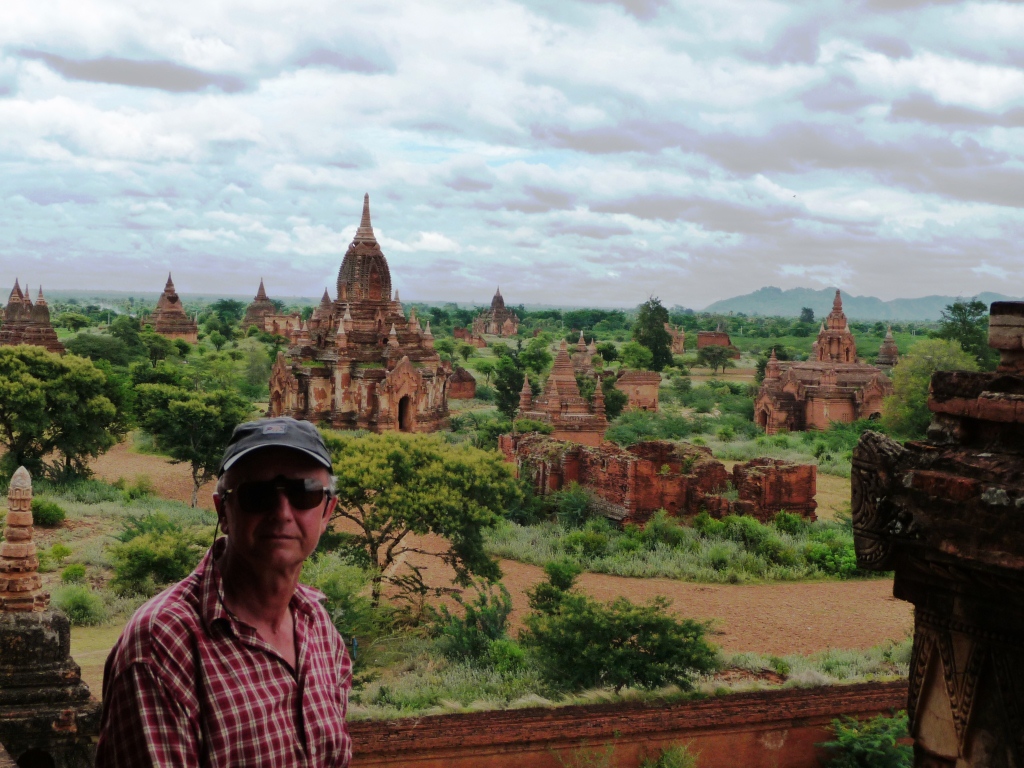
Bagan in Myanmar (Burma) is one of the most gorgeous architectural complex in the world. At the area of 16 square miles during less than three centuries (11th-13th) over four thousand temples was built of which more than two thousand still can be admired.
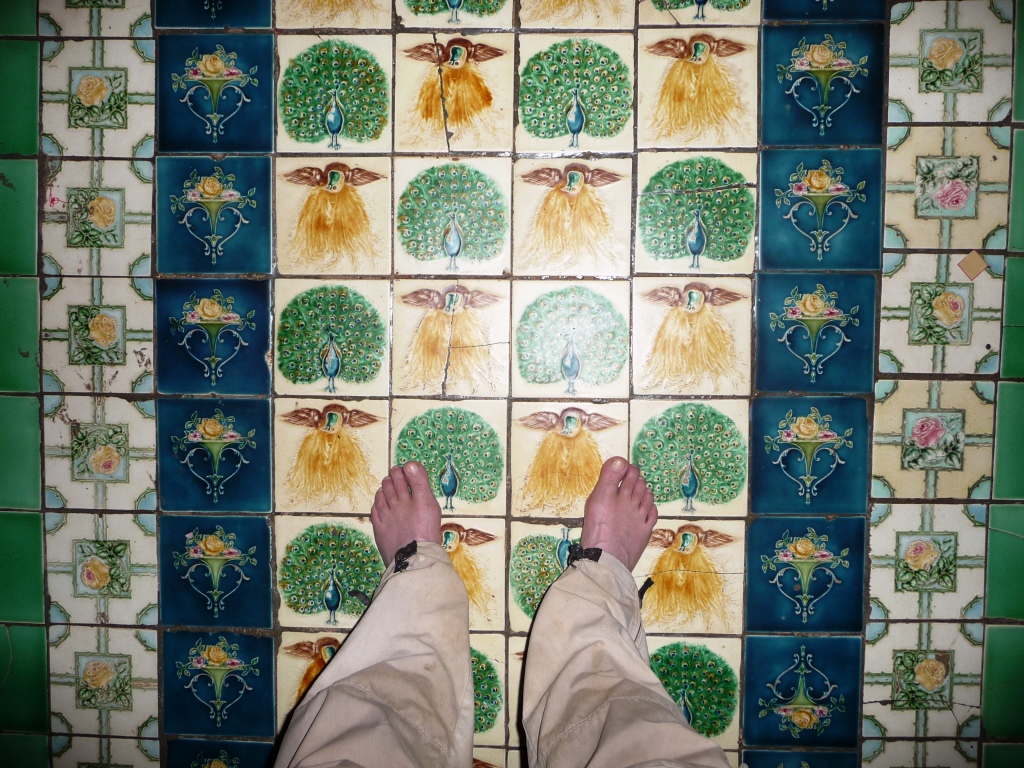
While entering a temple in mystique Bagan, be barefoot.
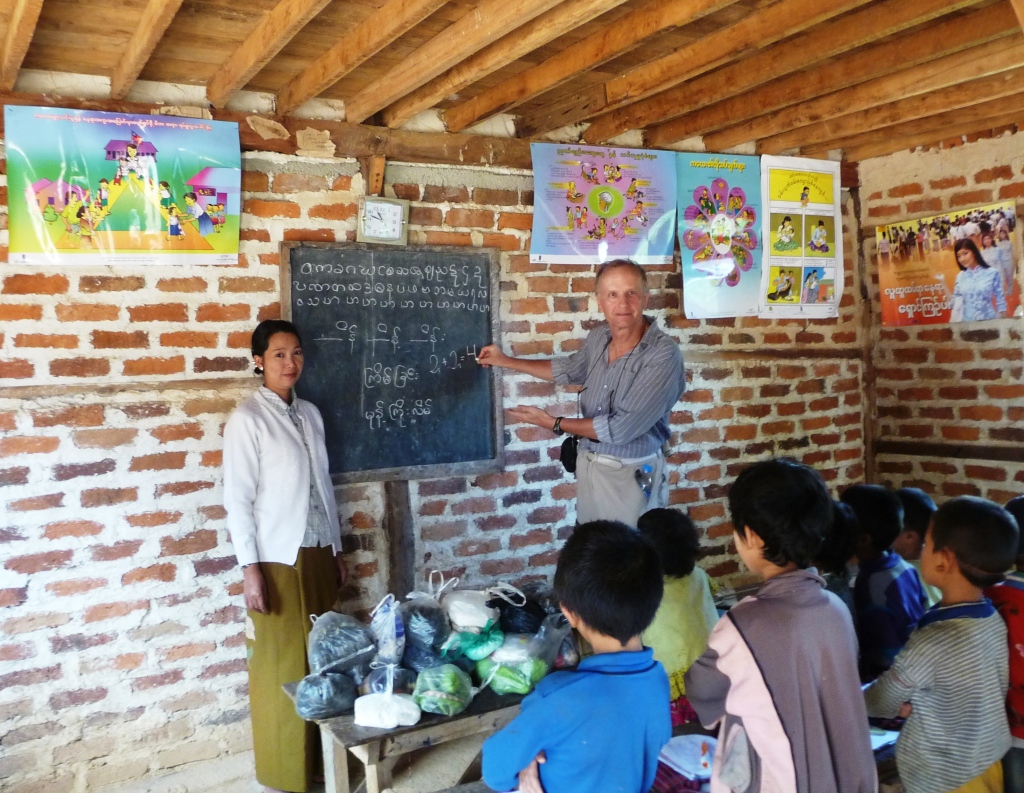
At the school in Ywa Thit village, inhabited by the Paulang people. The hills of Kayah State, central Mynamar (Burma).
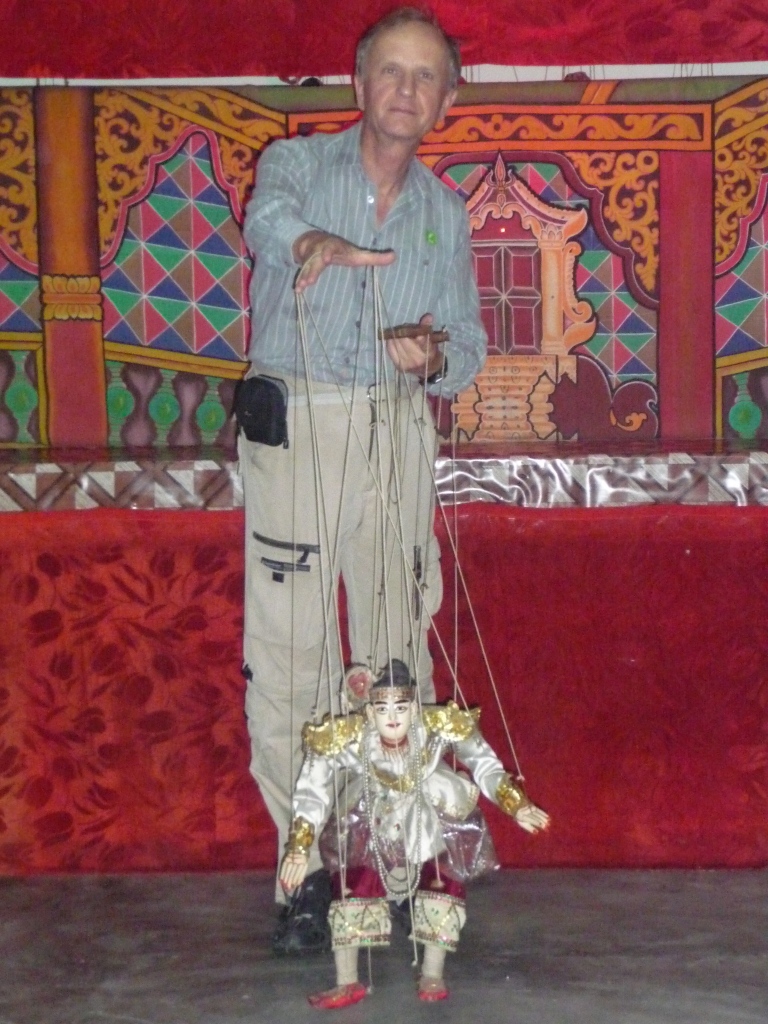
After the Aung puppet show in Nyaungshwe, Myanmar (Burma). The shows tell traditional stories from the life of local people and old legends.
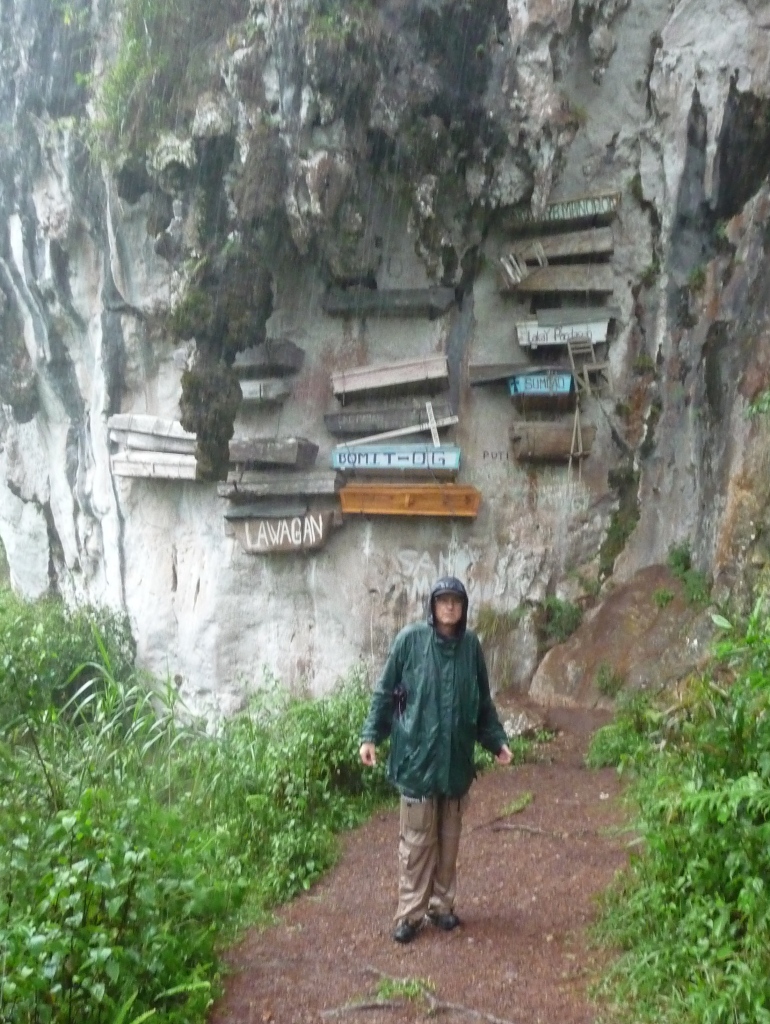
Hanging coffins of the animist Applai elders. Echo Valley, Sagada, northern Luzon, the Philippines.
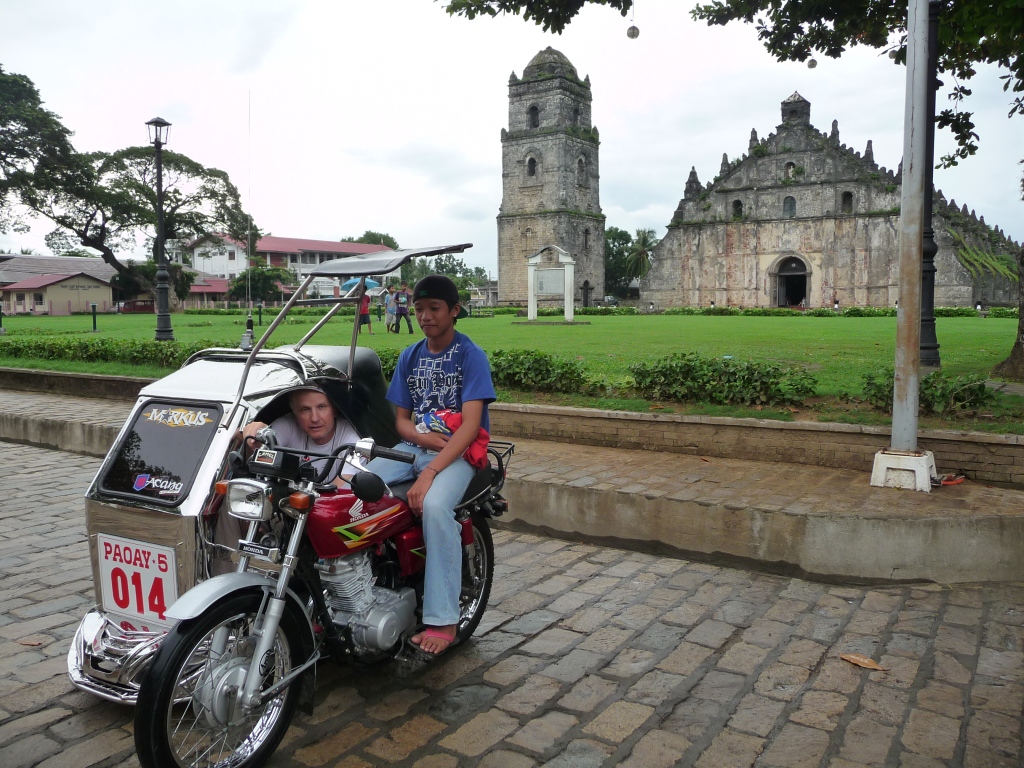
Four baroque churches at the Philippines have earned the UNESCO Cultural World Heritage Site (http://whc.unesco.org/en/list/677). Three of them are at the island of Luzon, and the most interesting one is the church in Paoay, built in the specific baroque style resisting the earthquakes.
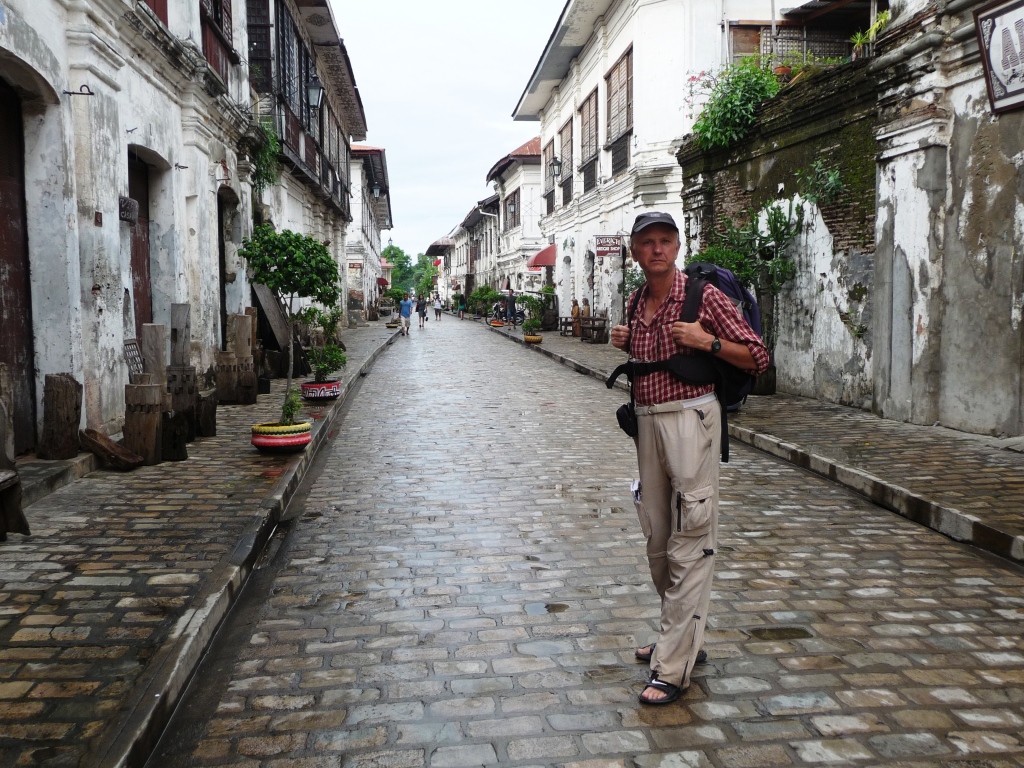
Georgeus! Established in the 16th century at the north-west coast of Luzon, Vigan is the best-preserved example of Spanish colonial town in Asia. Hence, it deserves to be the UNESCO World Cultural Heritage site too (whc.unesco.org/en/list/502).
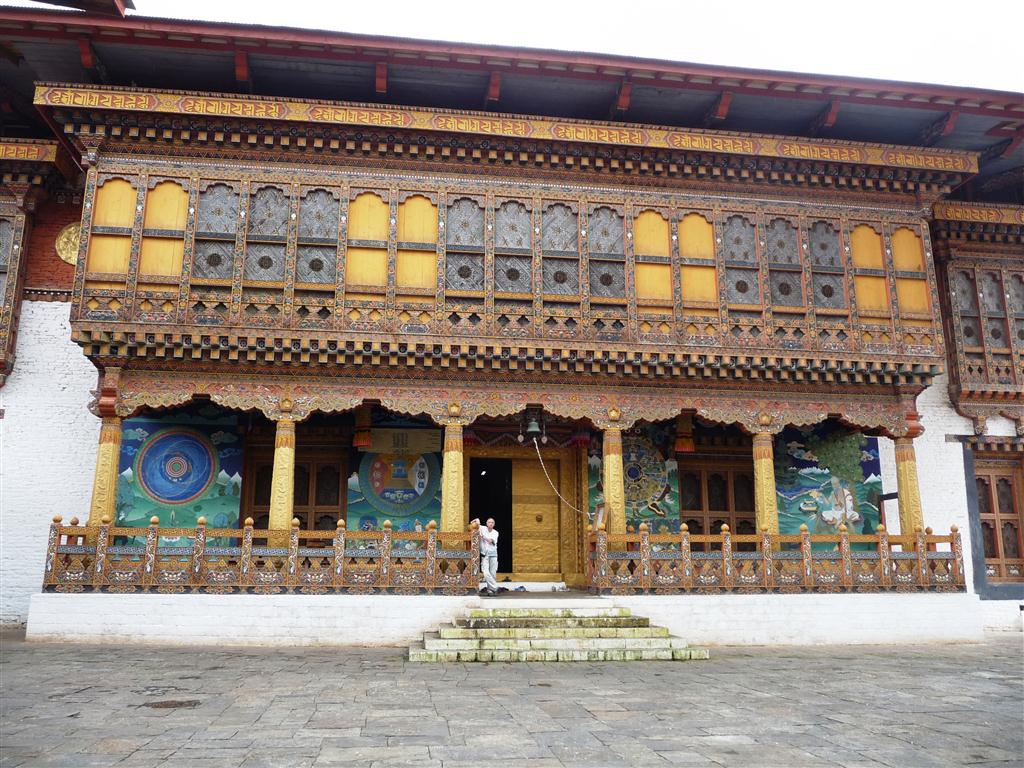
At the courtyard of the Buddhist temple in Punakha.
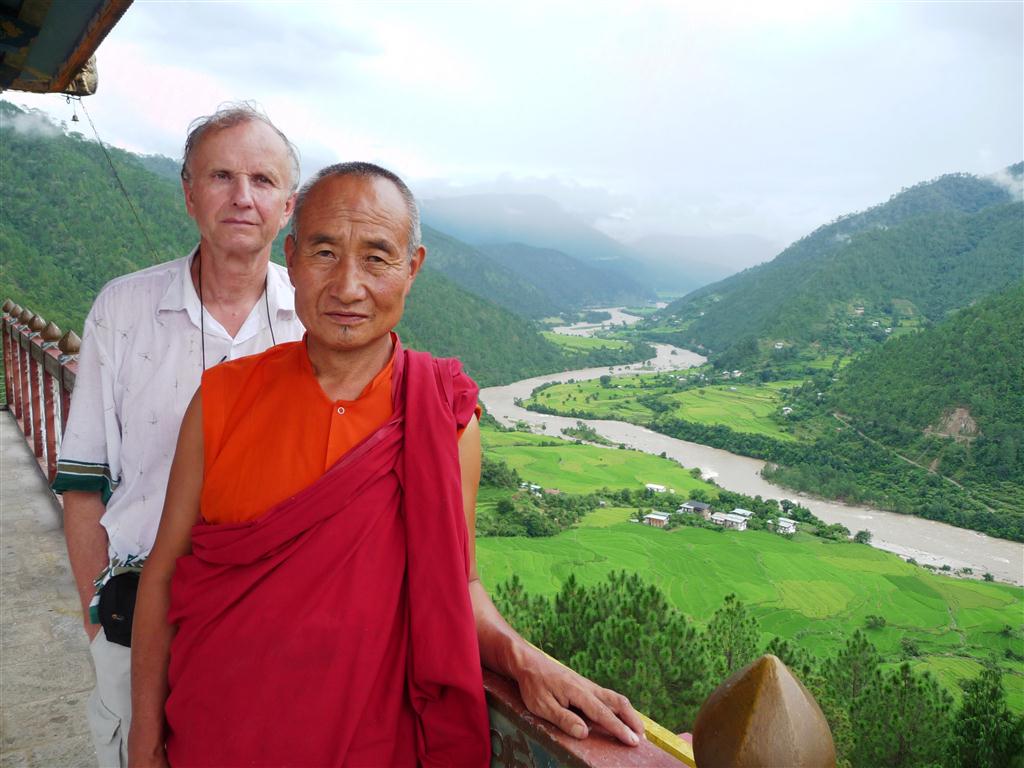
Bhutan. In the Tang Valley, with Buddhist monk.
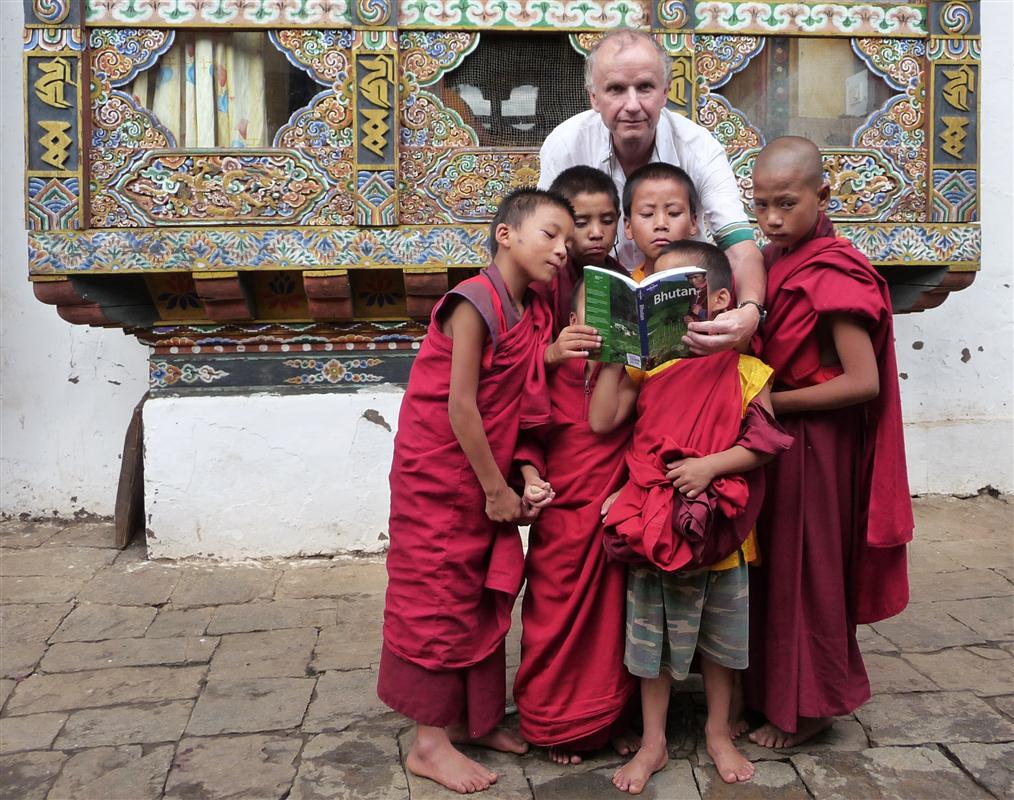
In each of hundreds Buddhist monasteries in Bhutan one can meet young monks which study so reach and quite difficult to comprehend philosophy and religion on Buddhism.
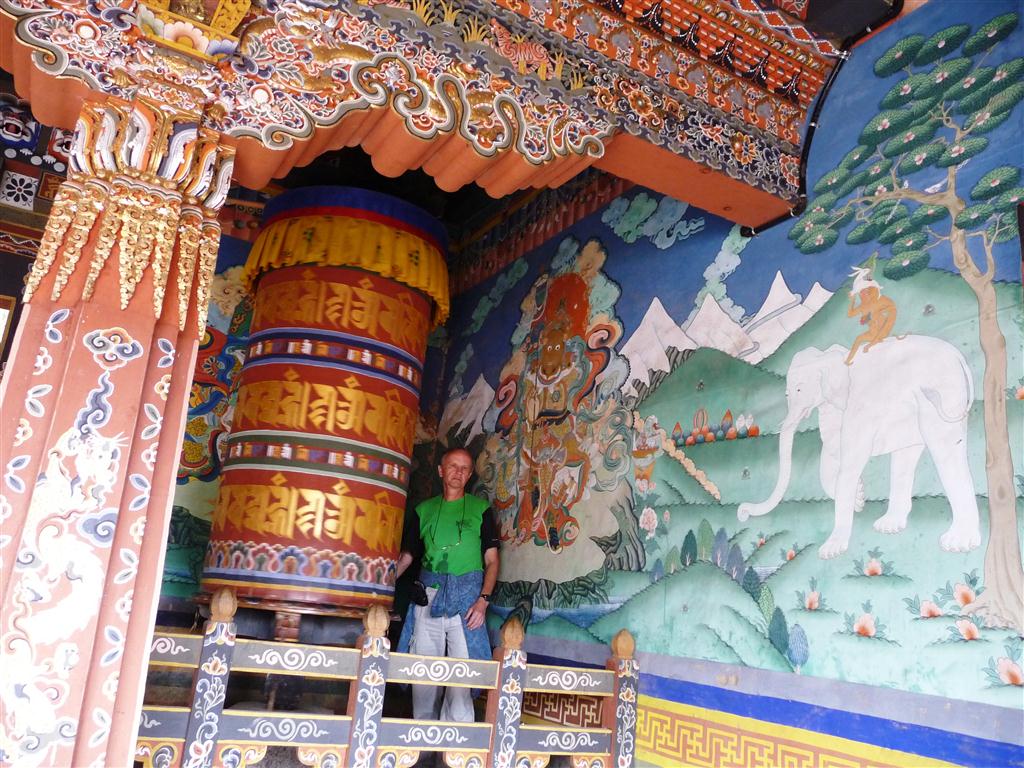
The praying wheel, which, while turned clockwise, rings the bell. On the right, the mural showing one of the most favored legends of Bhutan Buddhism, telling how thanks to the creative co-operation of the elephant, monkey, rabbit and bird such huge tree has grown that now all four of them must work together to reap plentiful harvest. The joint effort brings the fruits!
West Bhutan. Picturesque temple known as the Tiger Nest. It is called so, because the famous guru Rinpoche (Padmasambhava) had been flying here on the tiger.
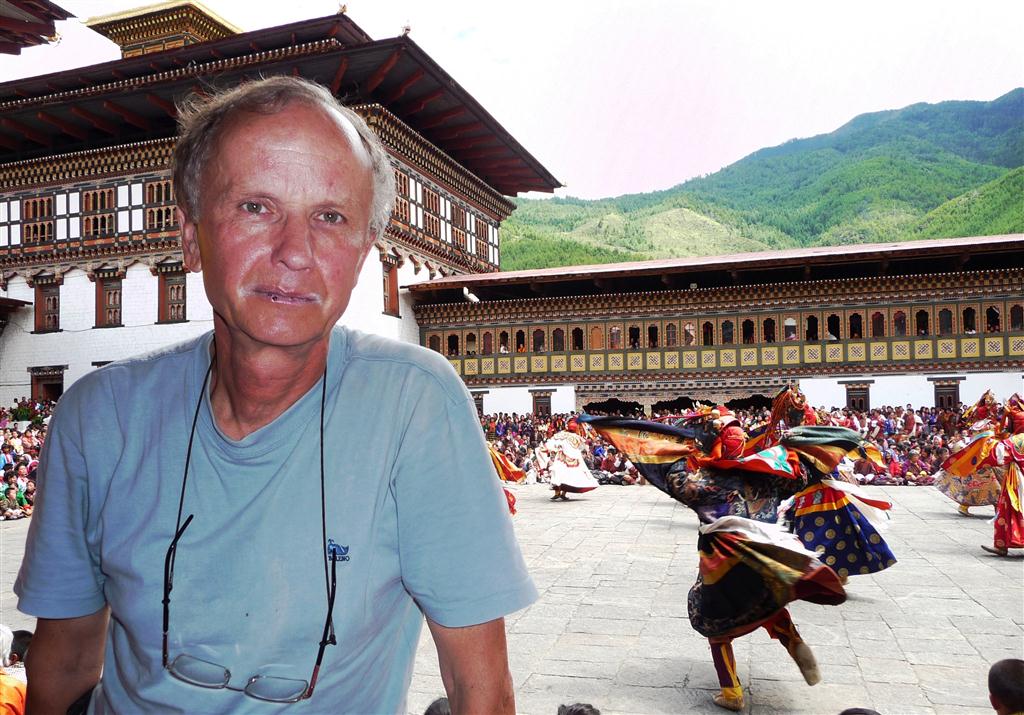
At the colorful Drubchhoe festival in Thimphu, the capital city of Bhutan.
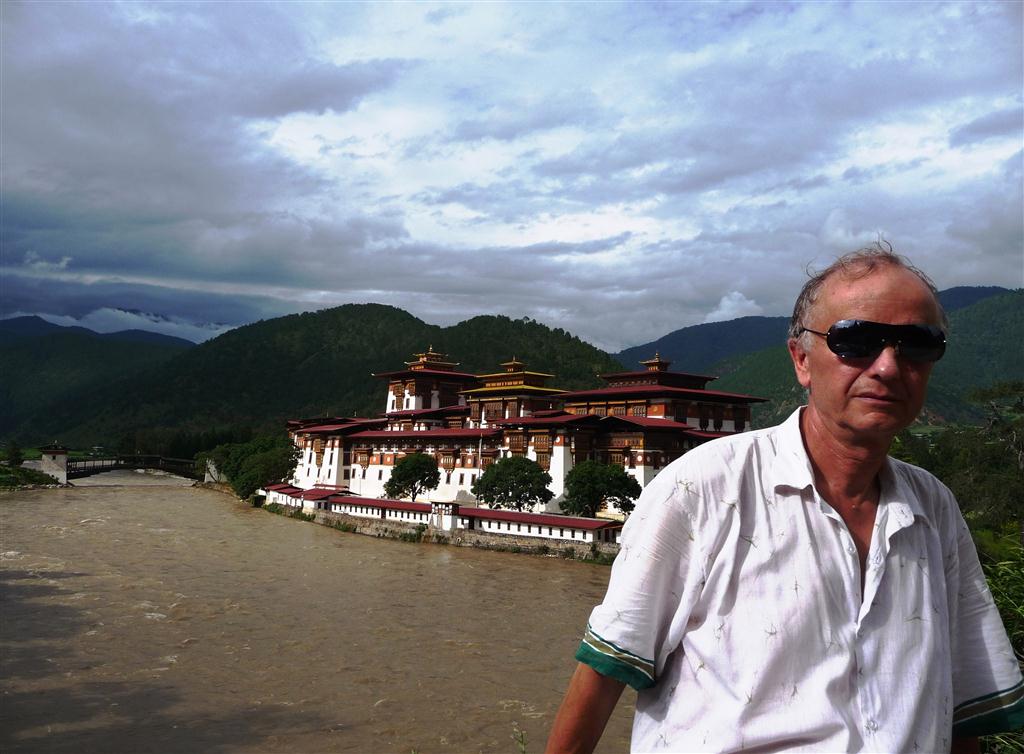
Punakha Dzong, that is the monastery-fortress, the place where together stay both, the Buddhist monks and the regional authorities. There is twenty of such kind monasteries
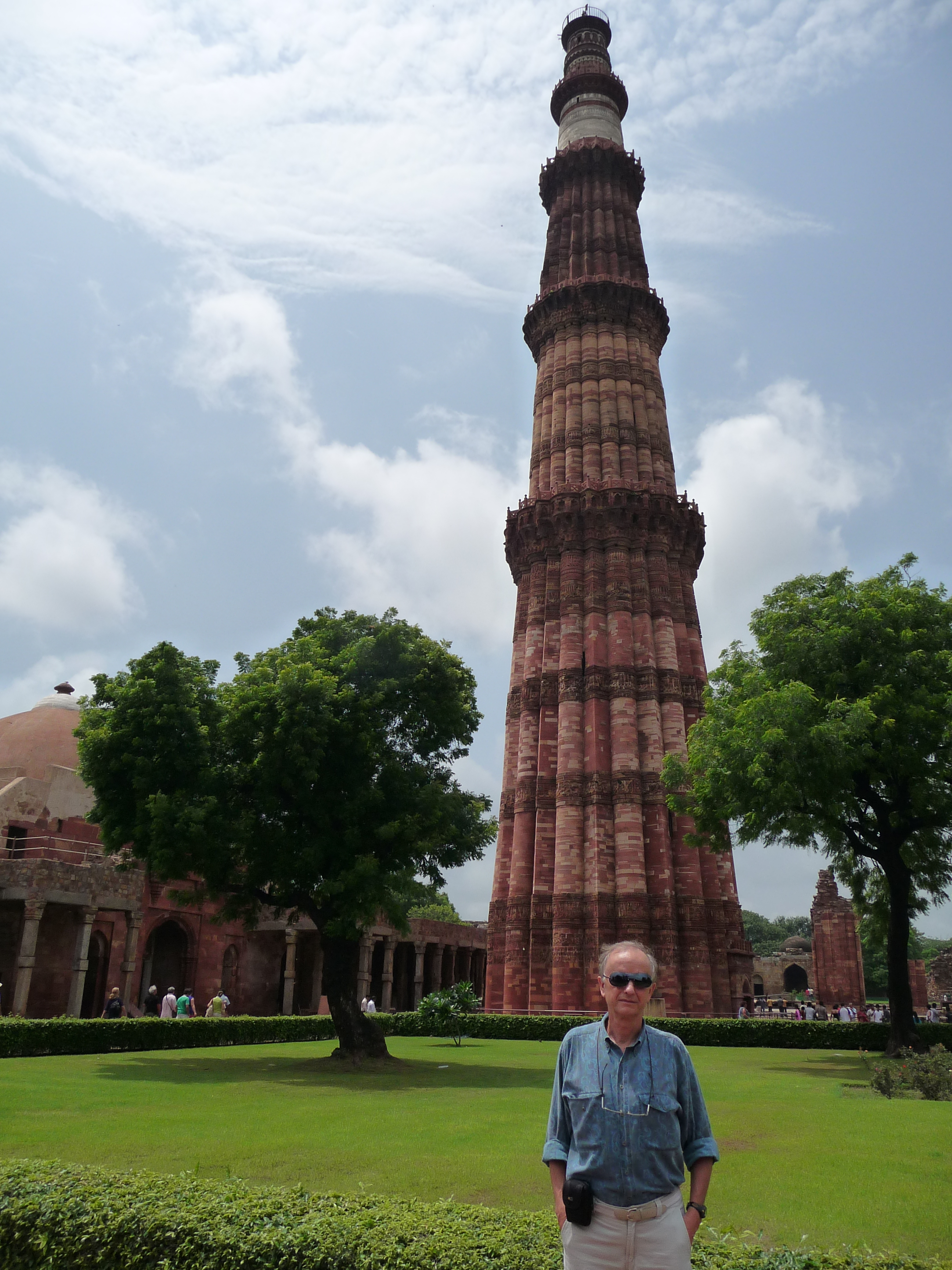
In the capital city of India there are three objects, which - due to their beauty and uniqueness - have deserved the status of UNESCO Culture World Heritage Sites. Among them one can admire built in the early 13th century red sandstone tower of Qutb Minar, which is 72.5 m high.
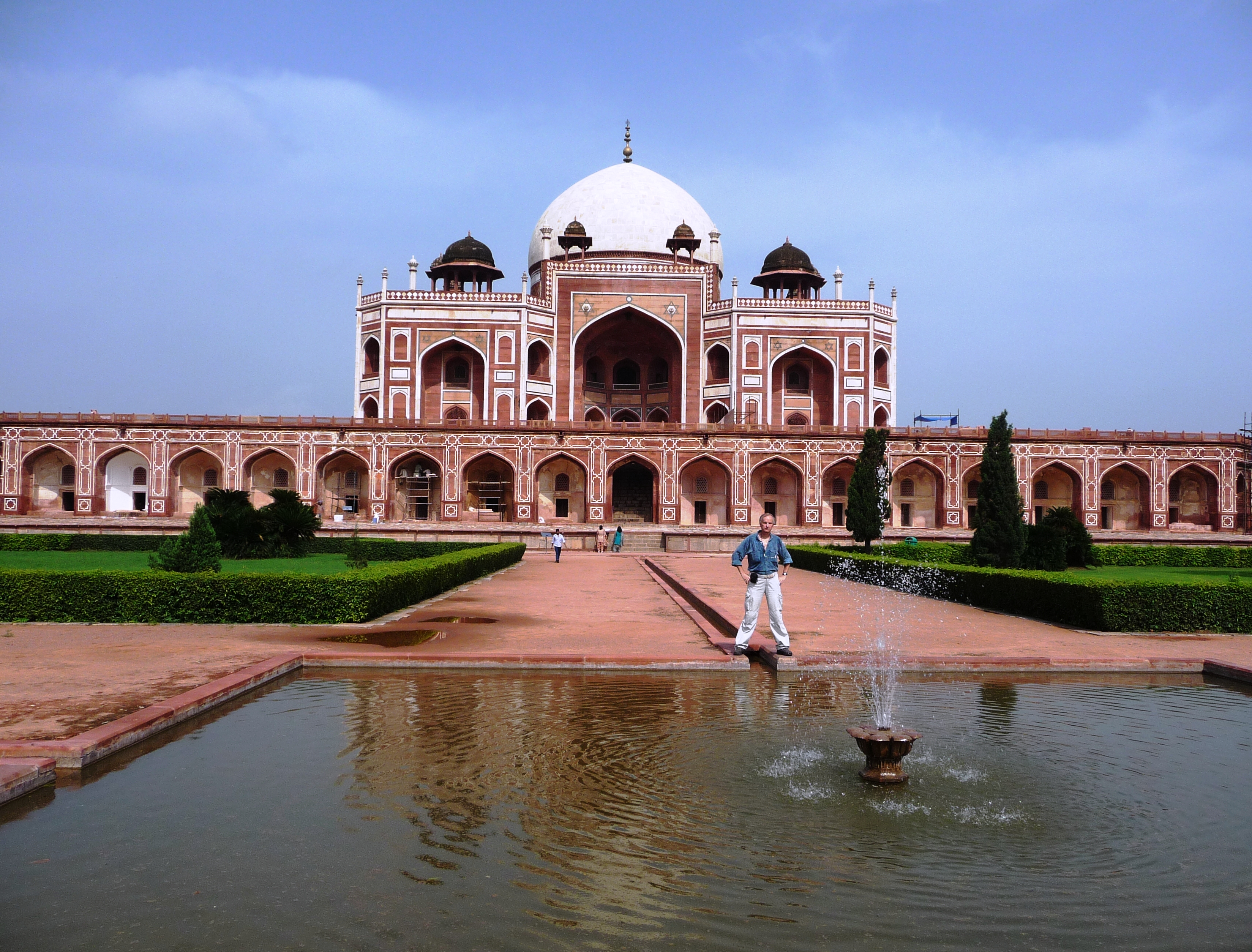
The second object is the Humayun's Tomb, built in 1570. Its particular cultural significance comes from the fact that it is the first garden-tomb on the Indian subcontinent.
The third object is the Red Fort Complex , which was constructed as the palace fort of Shahjahanabad - the new capital of the fifth Mughal Emperor of India, Shah Jahan. Named for its massive enclosing walls of red sandstone, it is adjacent to an older fort, the Salimgarh, built by Islam Shah Suri in 1546, with which it forms the Red Fort Complex, as we can visit it today.
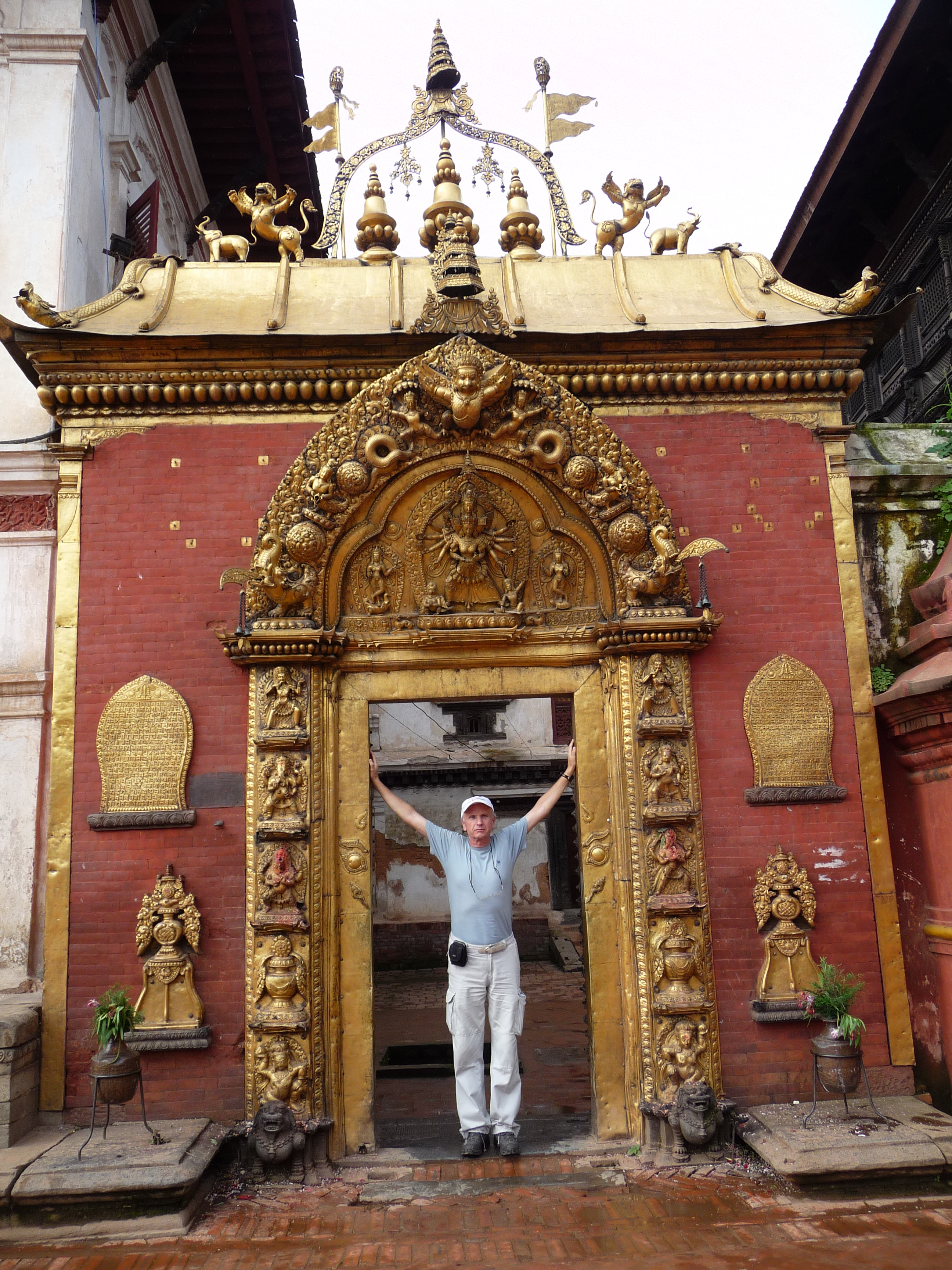
Otherwise than in Delhi, in Kathmandu, the capita of Nepal, by a strange case as many as seven objects - quite different, yet each one beautiful and original, and dispersed in different places, even about 13 miles apart - have earned the UNESCO Culture World Heritage Sites status, however as ...just one site: the Kathmandu Valley This interesting, sometimes shocking seven, includes first of all three old town complexes (once upon the time there were three kingdoms, not far away each other, and know all three are just the parts of metropolitan Kathamndu), so called Palace Squares. The most peaceful among them seems to be Bhaktapur, with its impressive Golden Gate.
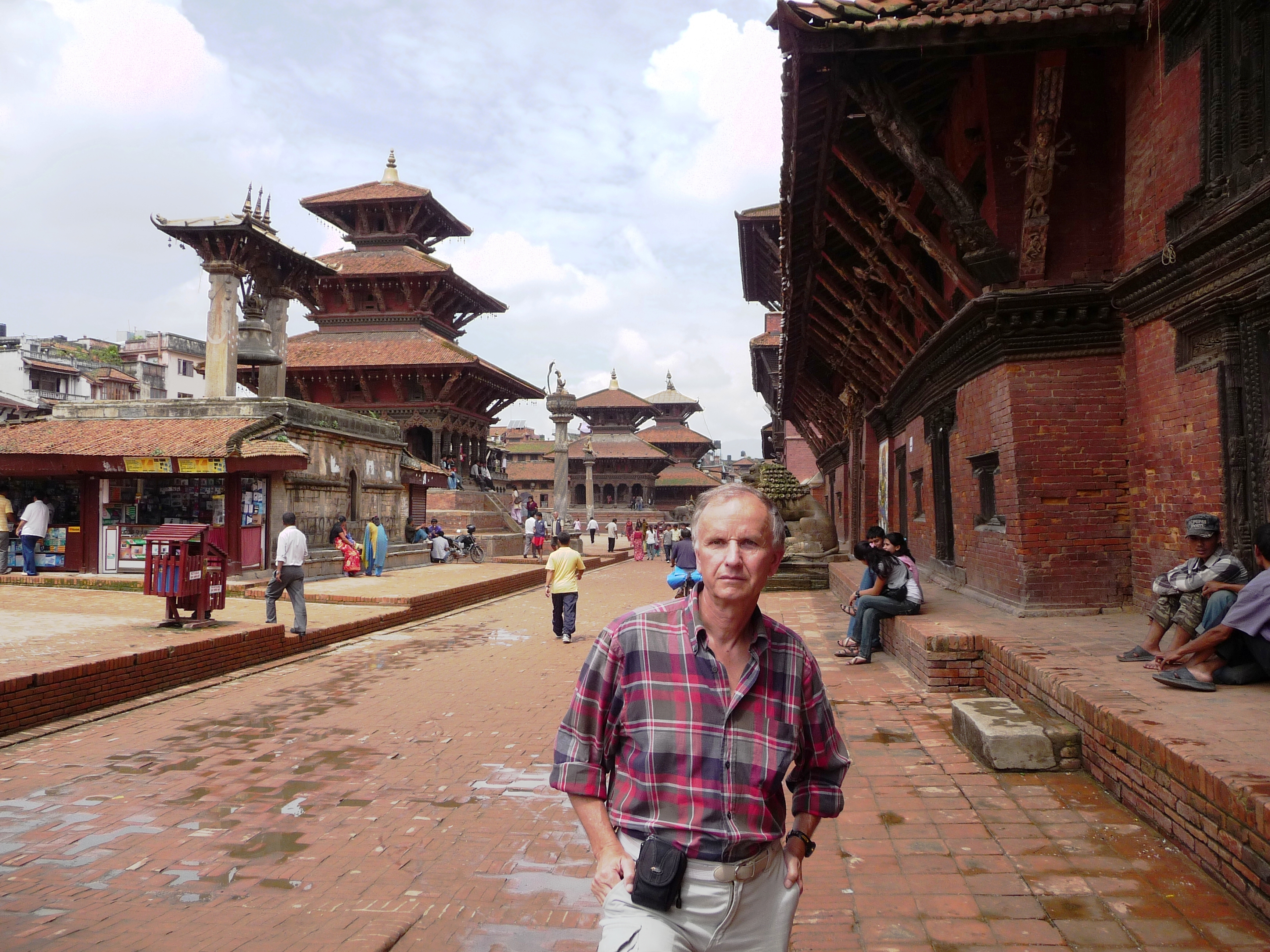
The most impressive seems to be the Patan's Durbar Square...
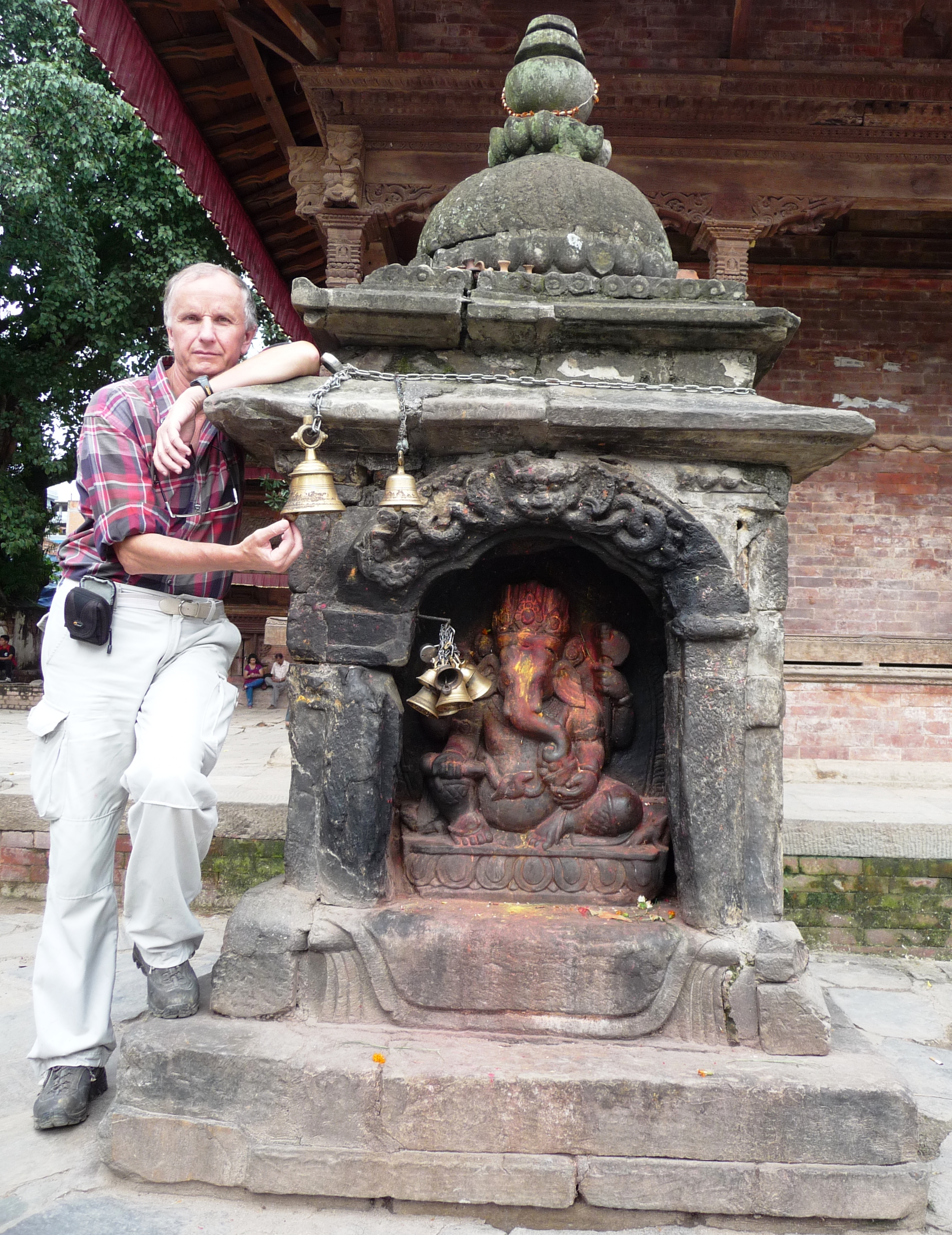
...while the opinion of the most lively and busiest has the Kathmandu Durbar Square, where one can find the small temple of Hindu's wisdom god - Ganesh.
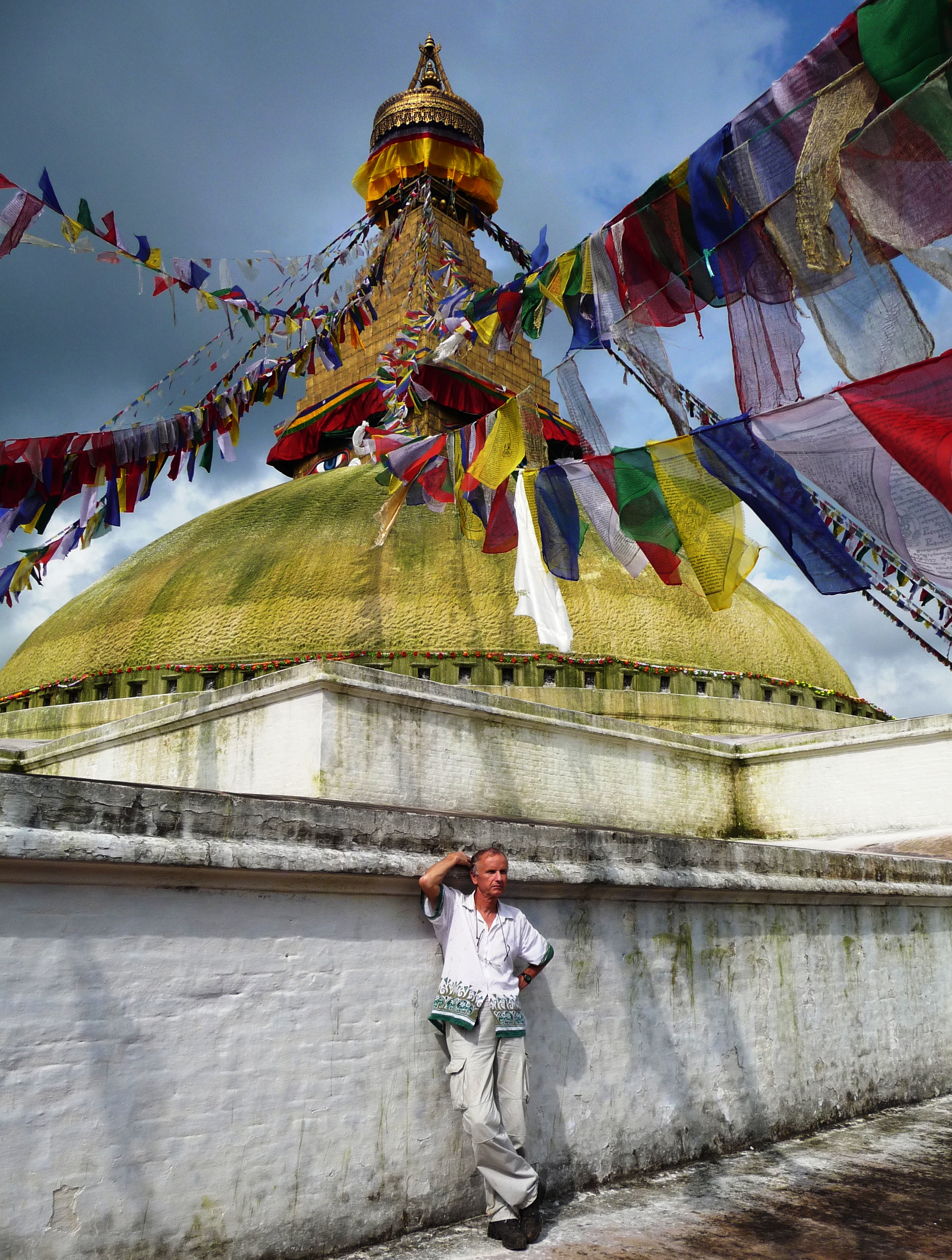
Nothing unusual that the UNESCO status has gained also large and beautiful Buddhist stupa in Kathmandu, know as Bodhnath (Boudha)...
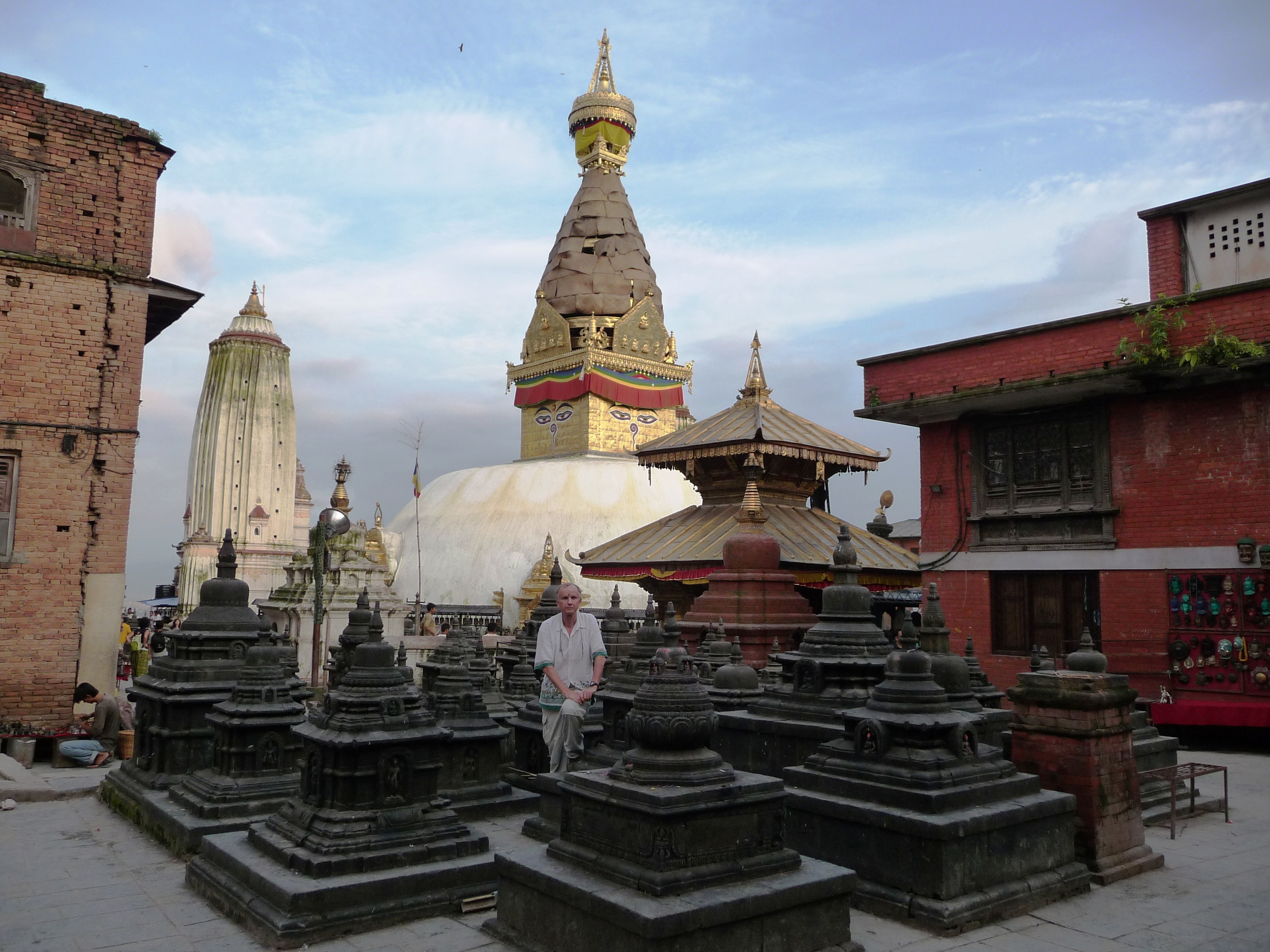
...as well as another temple, built at the hill from which one can appreciate the great panorama of Kathmandu, the Swayambhunath. stupa.
Another Hindu's complex of temples, included in "magnificent seven", is Pashupatinath on the river Bagmati, a place of the traditional cremation of dead people.
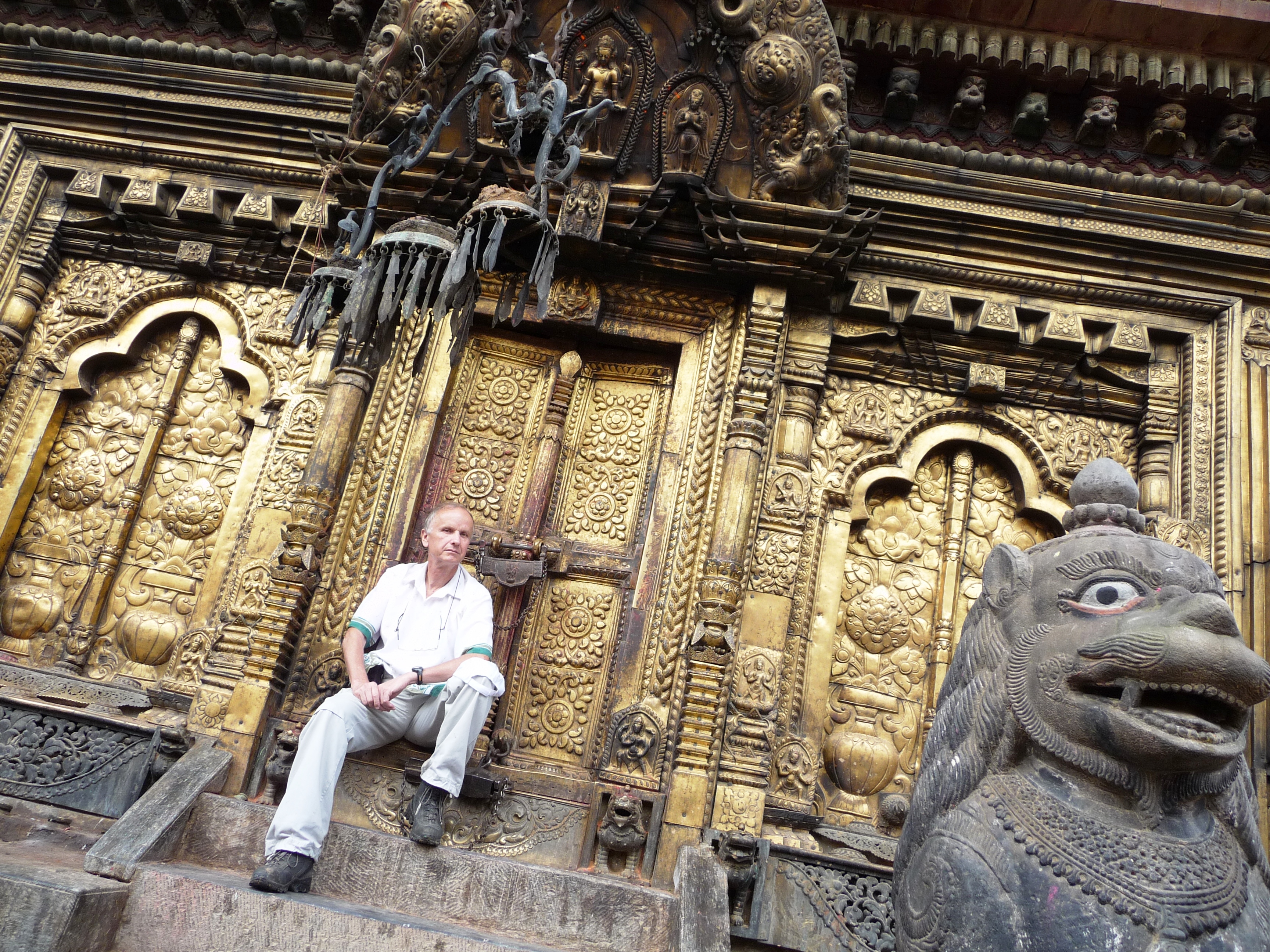
Of extreme beauty is the complex of small Hindu temples and sculptures, in peaceful terrain, out of the city crowd and noise, between the green rice files, Changu Narayan. This is the seventh object within the UNESCO Kathmandu Valley site.
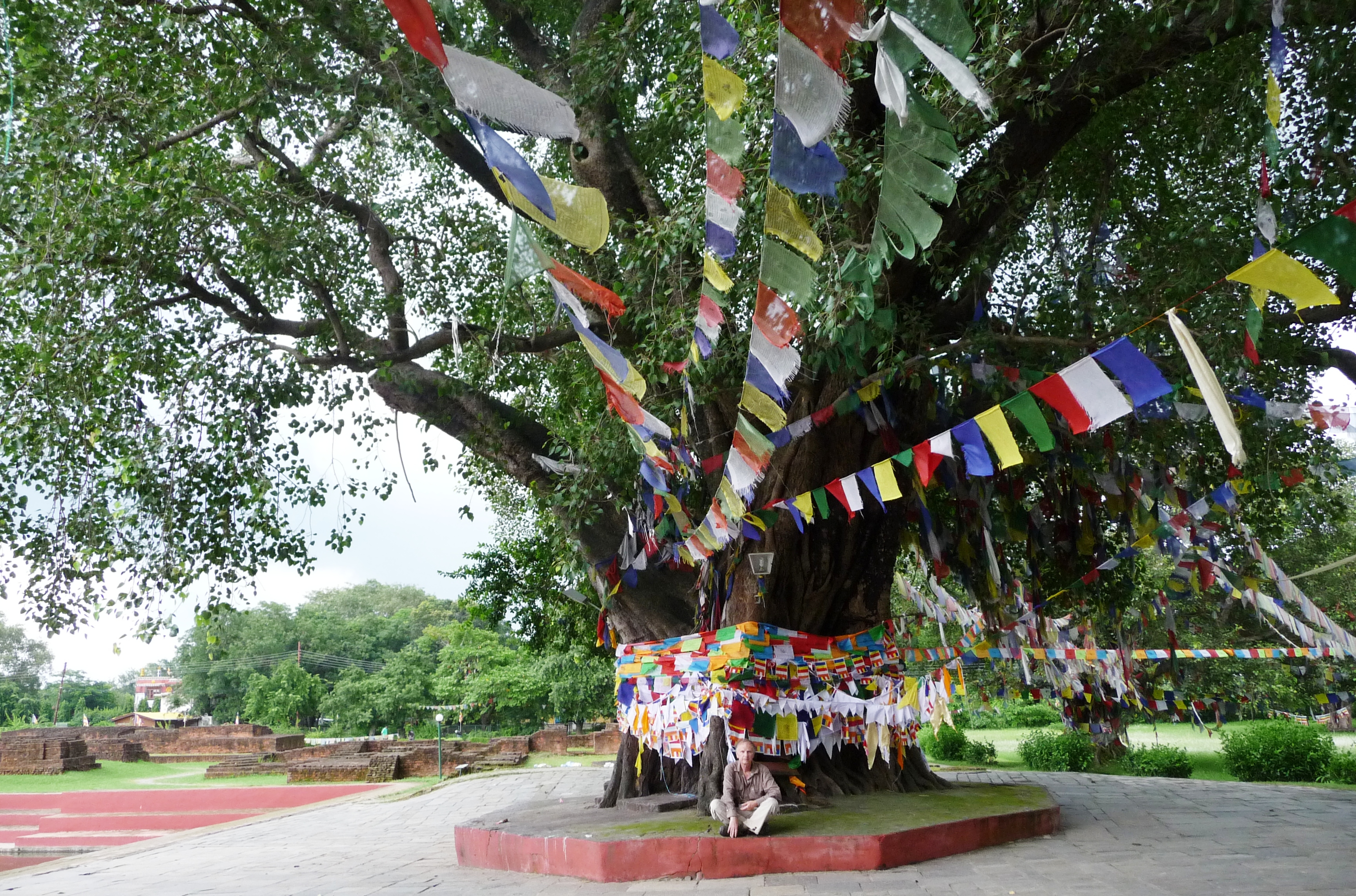
Here, under the bodhi tree, in Lumbini at the south Nepal on the order with India, in 563 B.C., the prince Siddartha Gautama, Budda, was born.
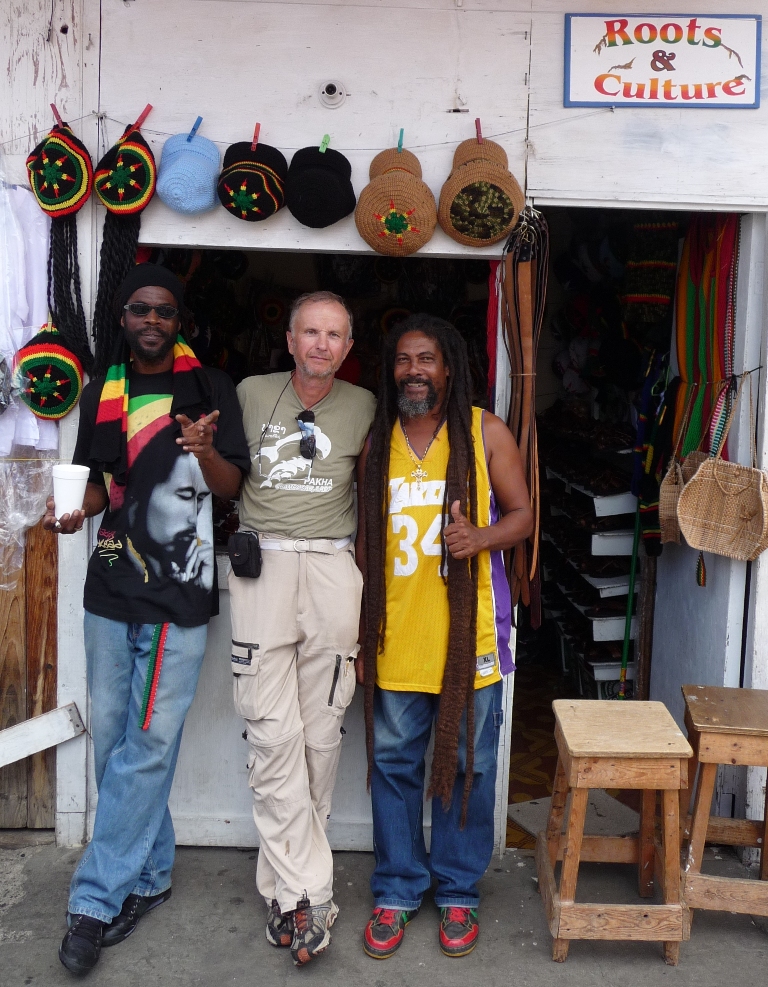
The roots have a lot of meaning in the culture...
With daughters, Gabriela and Julia, and Michael Jackson (Warsaw, 19 September 1996)
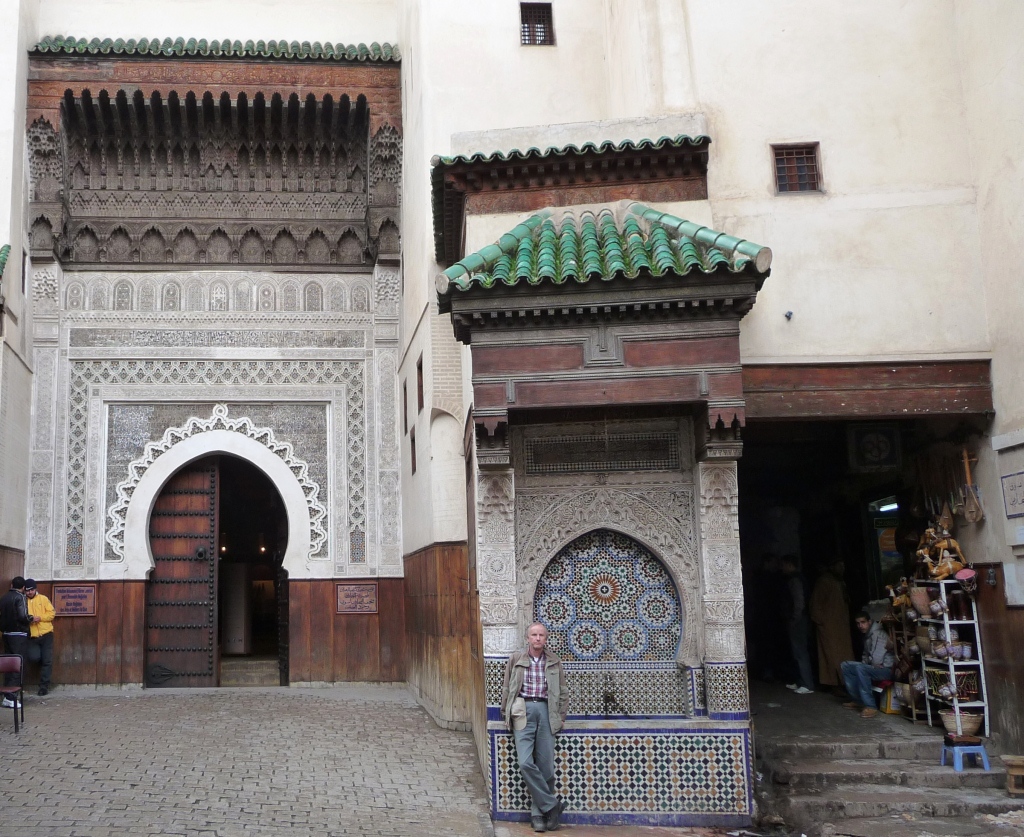
Morocco. Medina (old, walled Arabia town) of Fez, at the Place an-Nejjarine.
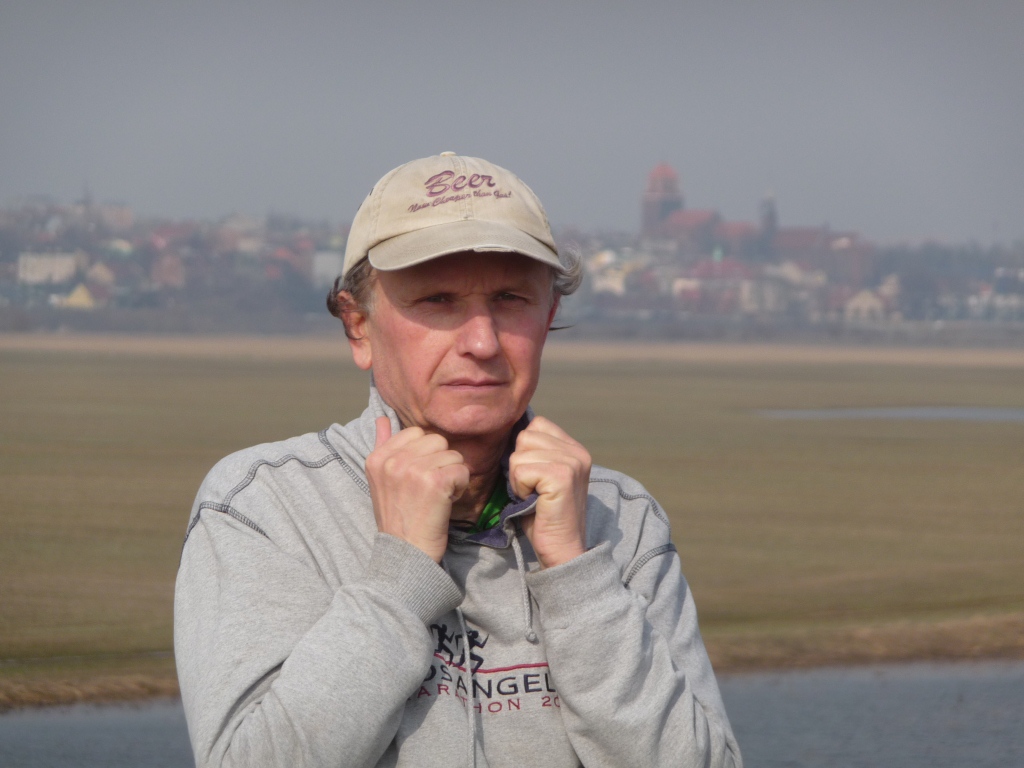
At the background the family town of Tczew, with numerous historical buildings, including splendid gothic church founded in the 13th century. The dwelling has got the city rights from the Pomeranian Prince Sambor already 750 years ago - in 1260.
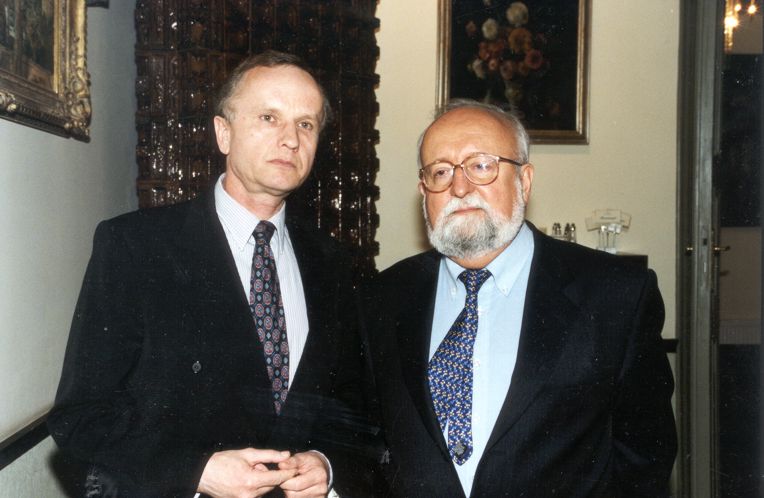
With Krzysztof Penderecki
during the VI Beethoven Festival
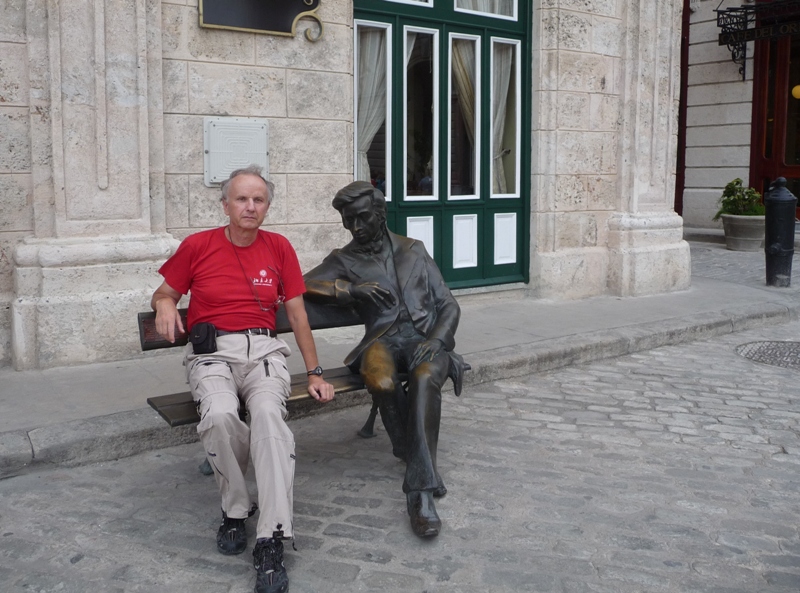
Each Polish must be proud while sitting next to Chopin at the bench in Old Town of Havana.
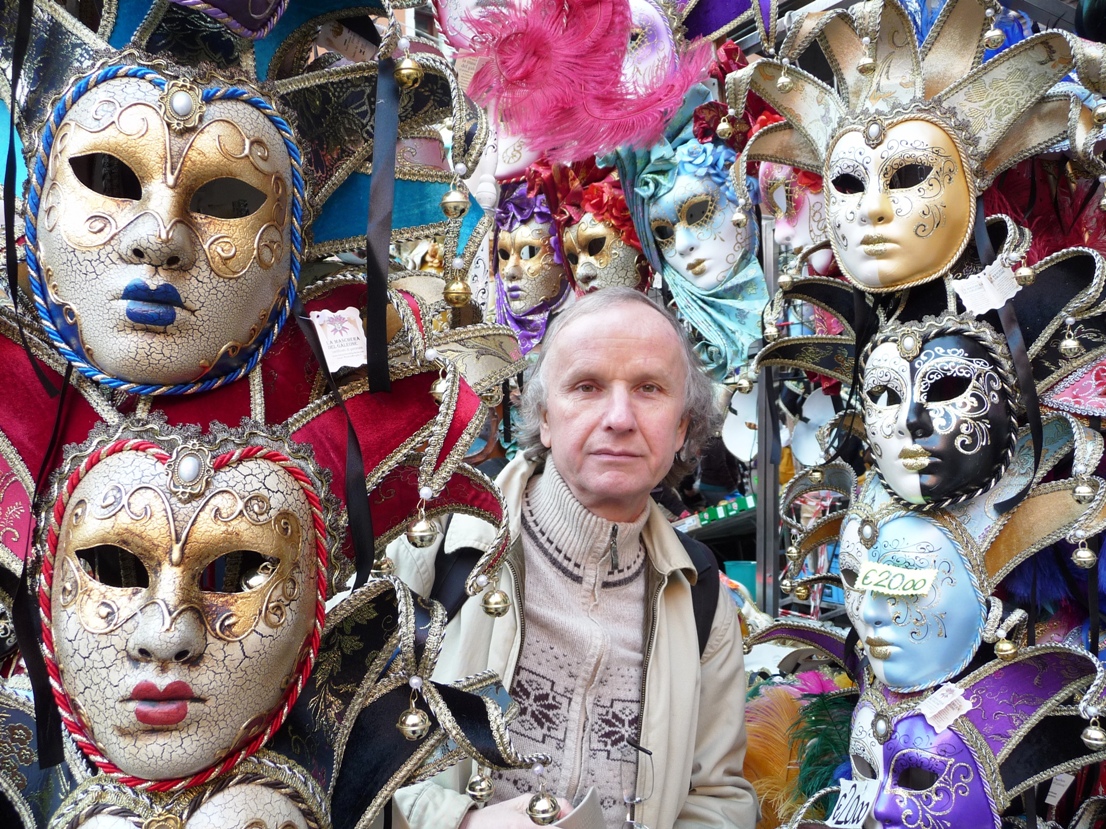
Carnival at Venice
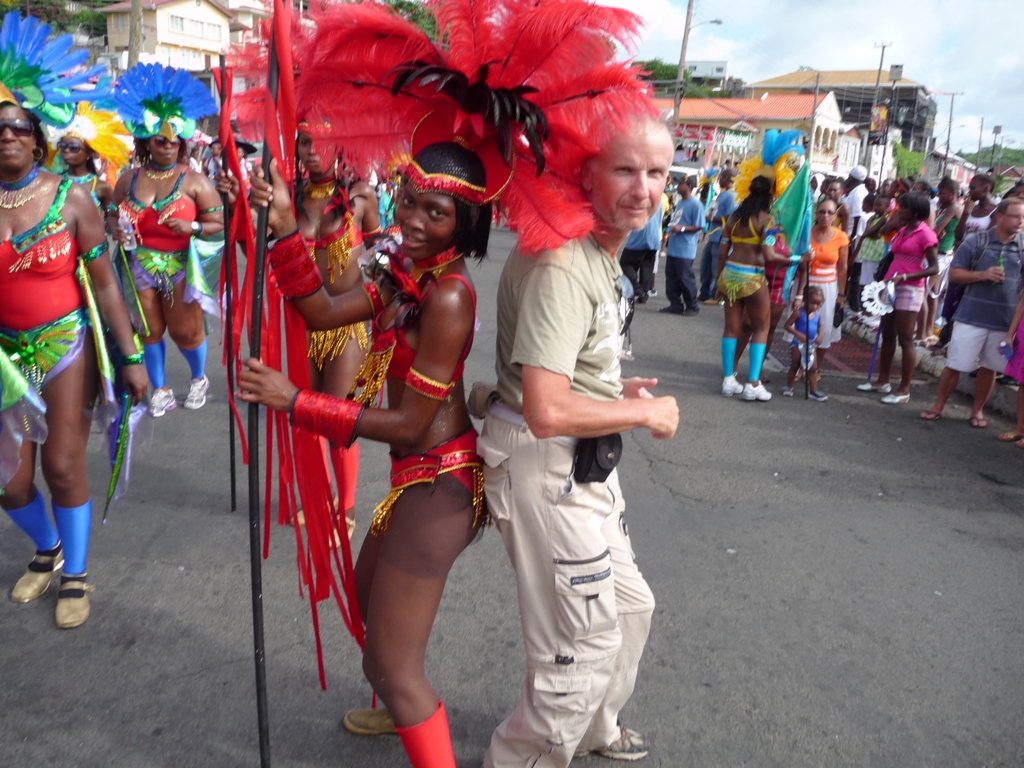
And on the Caribbean island, Antigua.
And at the famous carnival in La Vega, Dominicana.
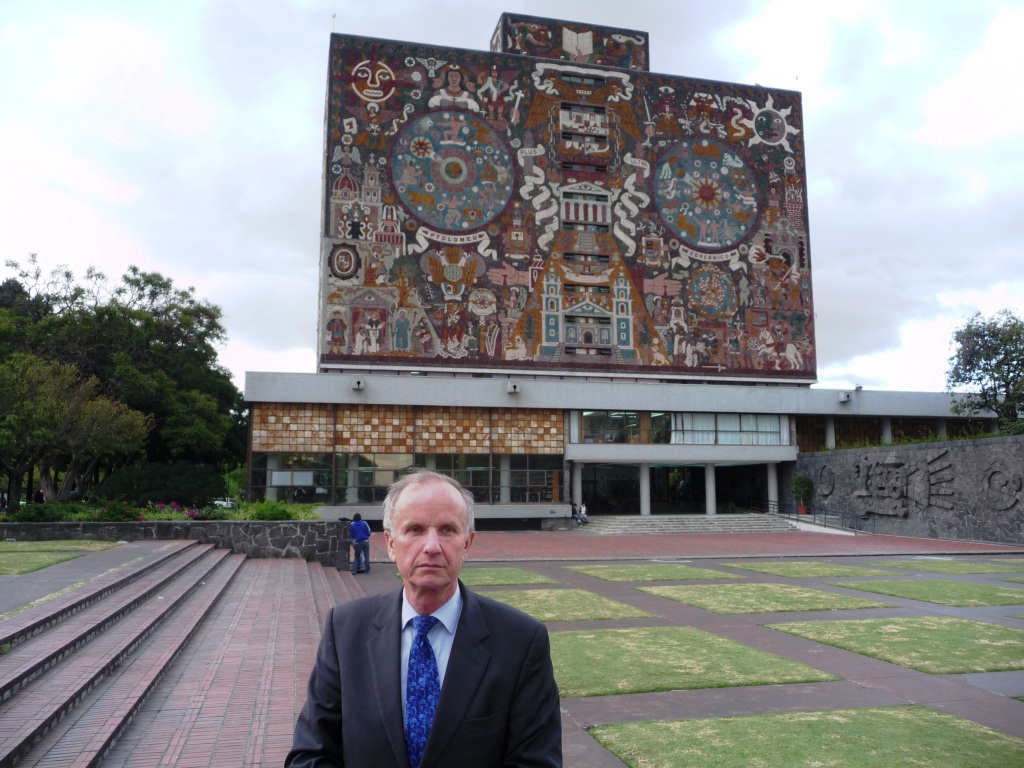
In front of the library of the Universidad National Auton�ma de Mexico (UNAM). The Central University City Campus, built in 1949-52, has been enlisted in 2007 as the UNESCO Culture Heritage Site.
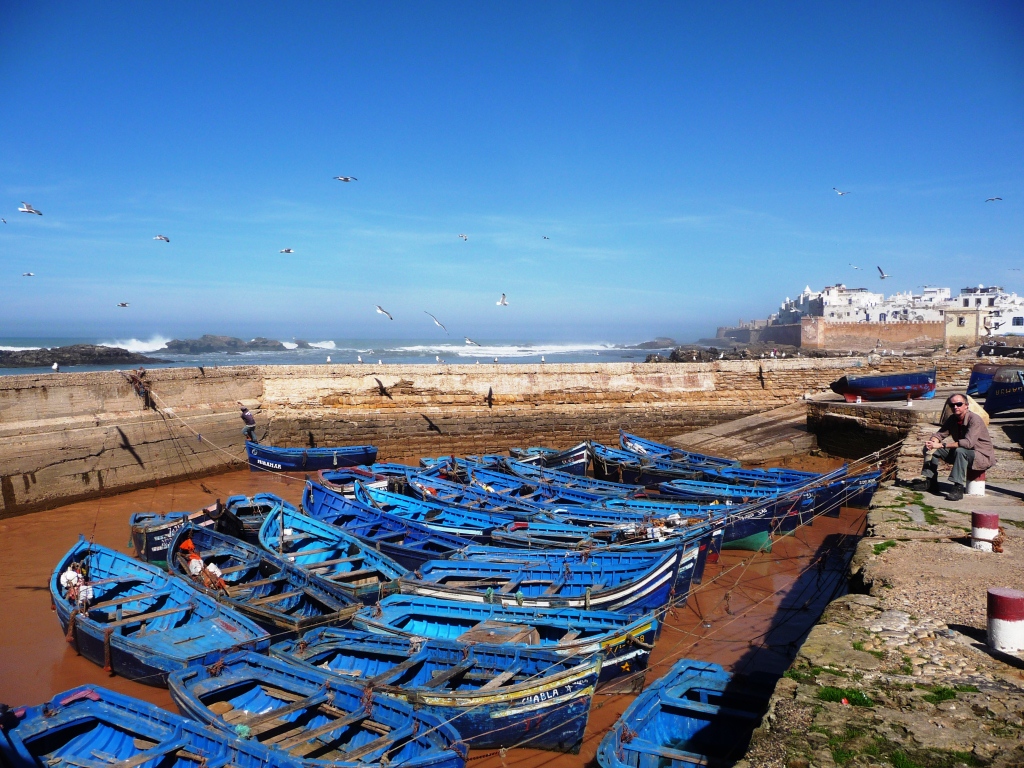
The seaside town of Essaouira, on the Moroccan coast of Atlantic, enchants with its beauty.
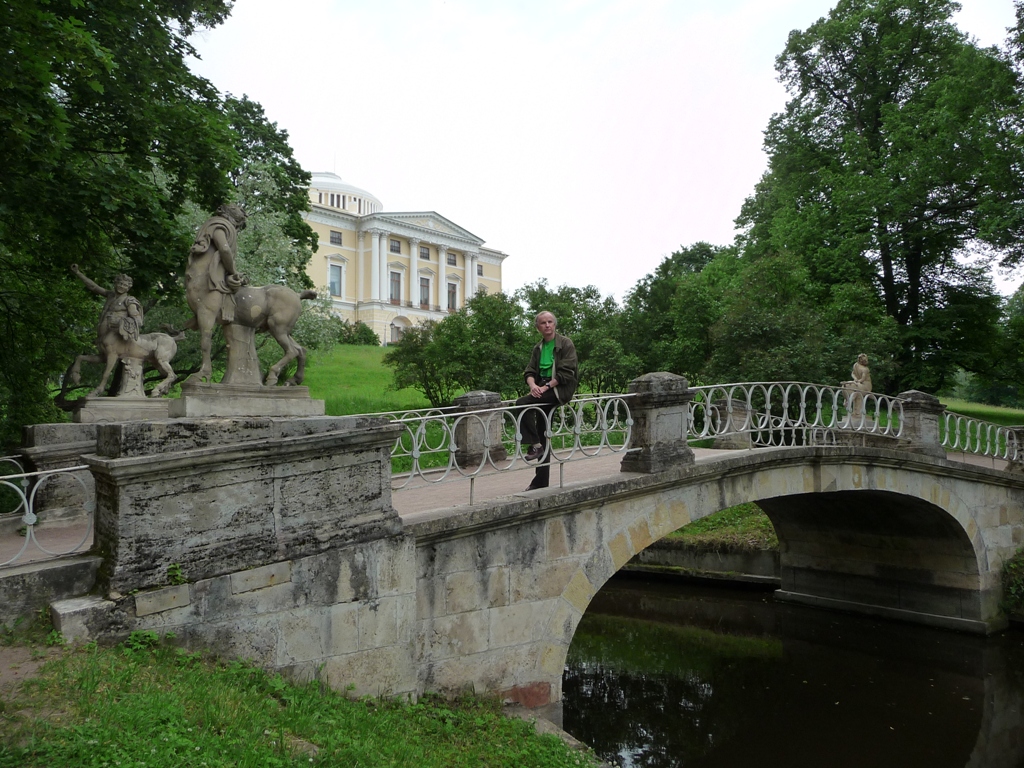
The czar's palace and gardens in Pavlovsk, near St. Petersburg
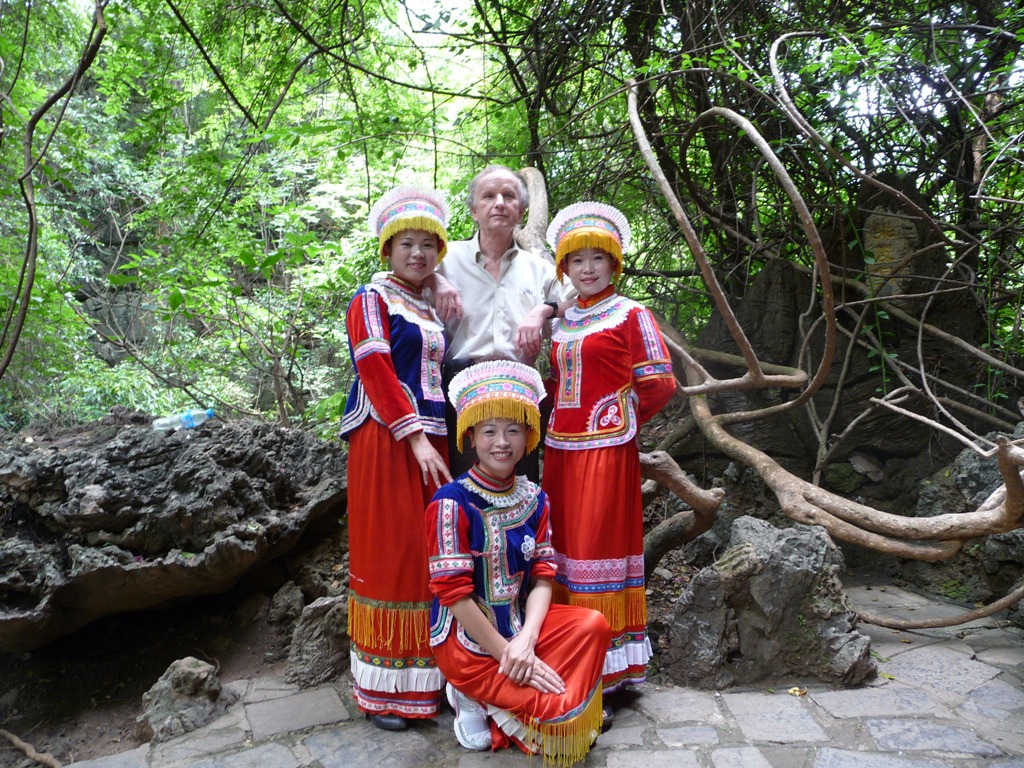
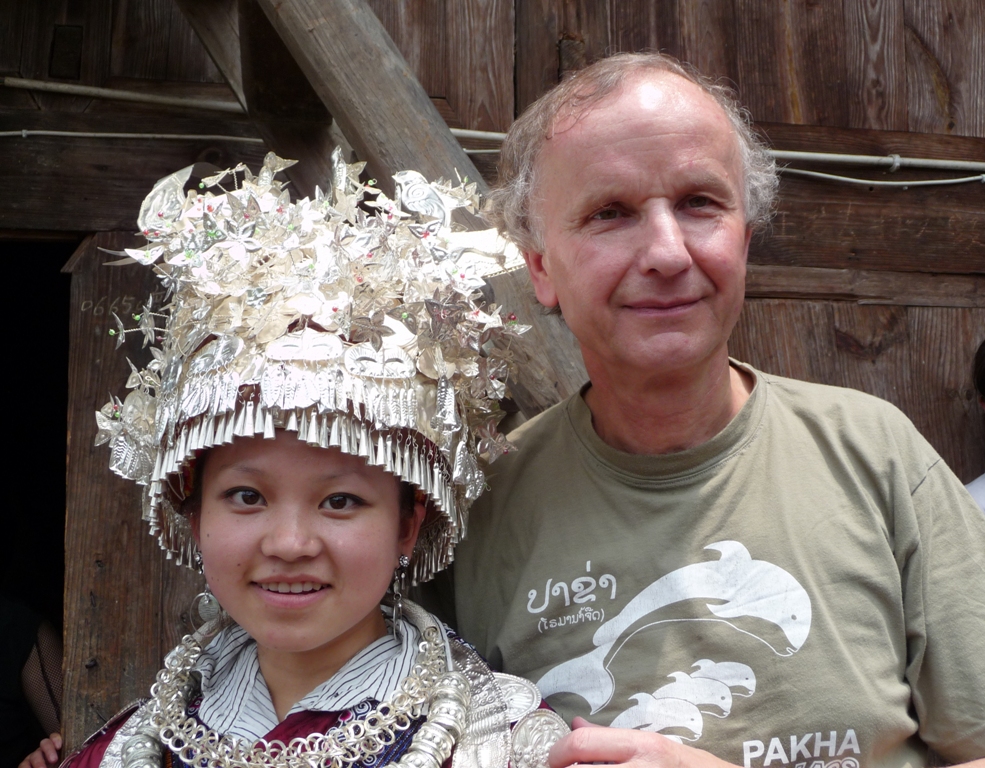
So colorful are clothes of the Buji girls, one of several ethnic groups living in south-west province of China - Guizhou. As many as 30 percent of province's population consists of ethnic minorities, among which the Buji distinguish themselves with a specific culture.
The poetry does help to understand a lot... With distinguished Polish poet - Tadeusz R�ewicz
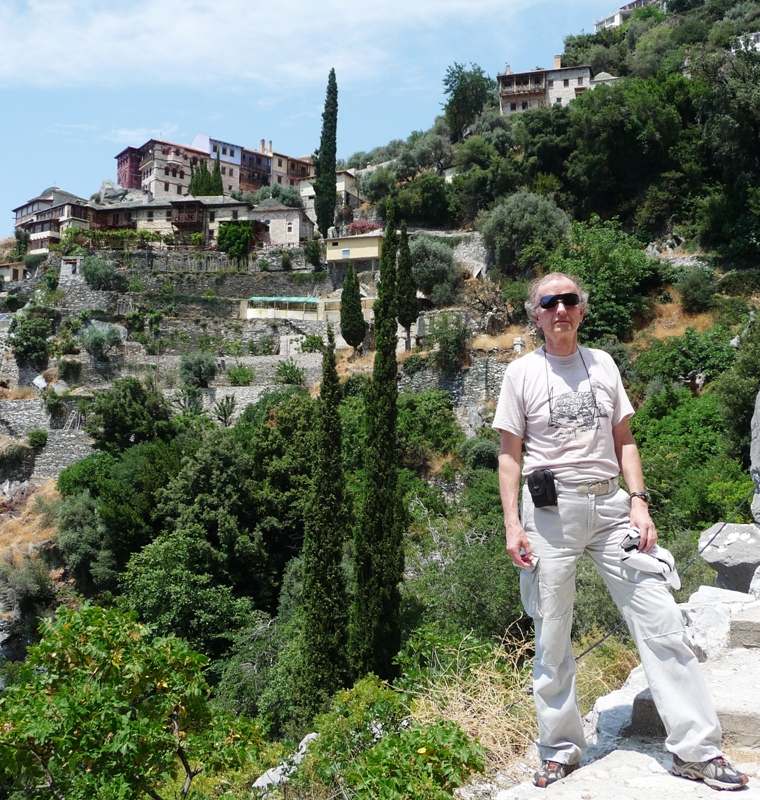
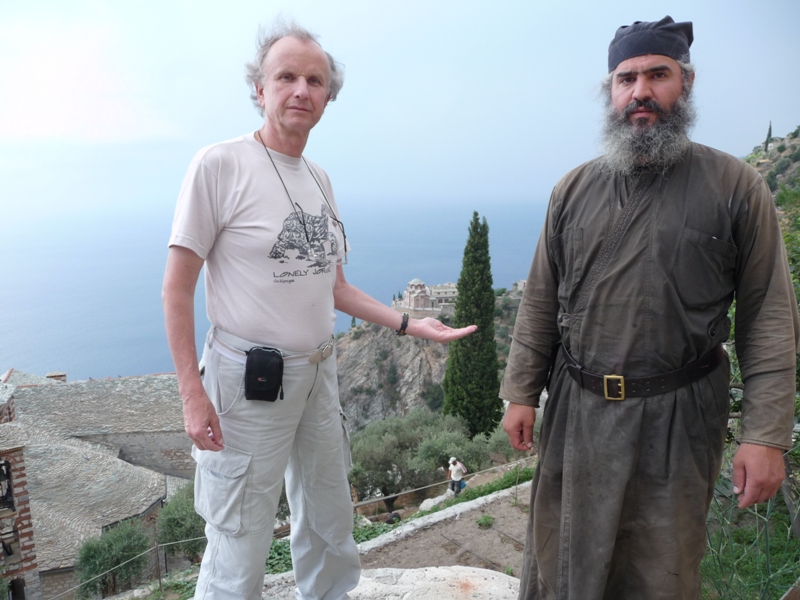
Skita, or Saint Ann hermitage, on the south of Mount Athos peninsula.
Most of about two thousand orthodox monks living on Mt. Athos stays in one of twenty monasteries, yet some of them - as Father Gavril - dwell in a kind of hermitage settlement called here a skita.
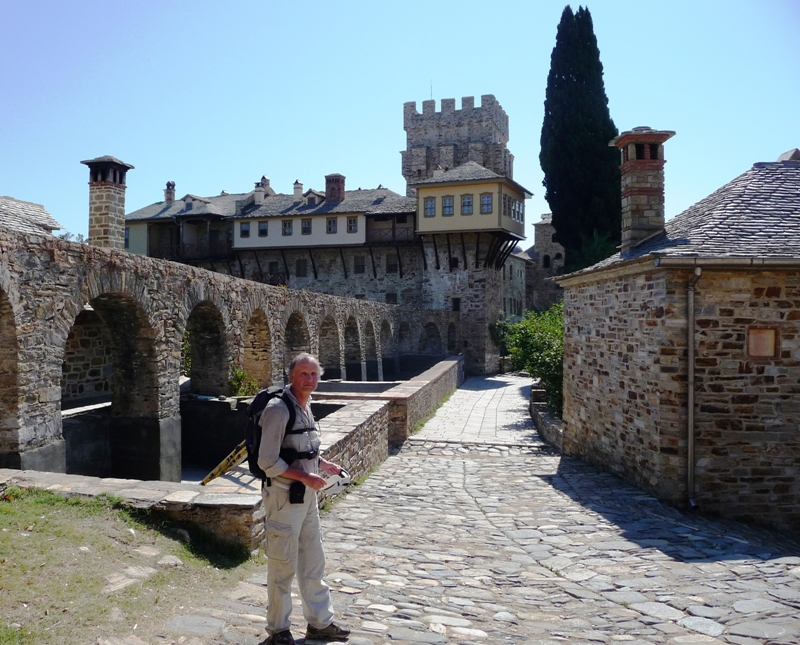
The history of Mount Athos monasteries goes back as far as to first millennium. They are monumental and splendid constructions, enriched by extraordinary interiors. The Stavronikita monastery is located on the eastern coast of peninsula, on the Thracian Sea.
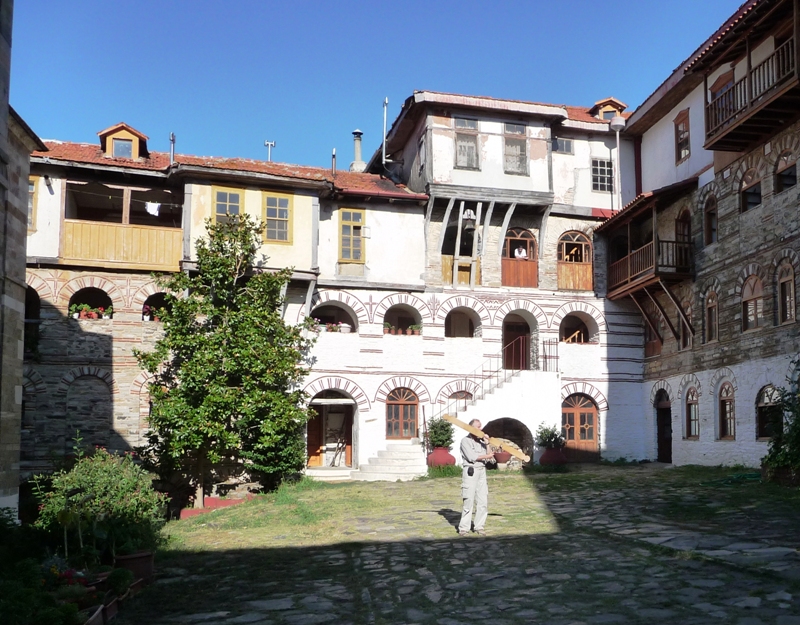
Tradition is a pillar of the integration of the Mount Athos society, consisting exclusively of men. The edict issued in 1060 by Byzantine emperor forbids the women to enter the cloisters' peninsula. Still in use here is the Julian calendar and the Byzantine time, so the day begins with the sunset. And for the joint prayer everybody is called by the sound of wooden desk beaten by the hammer - as here, at the courtyard of the Chilandariou monastery. And so it goes since over a thousand years...
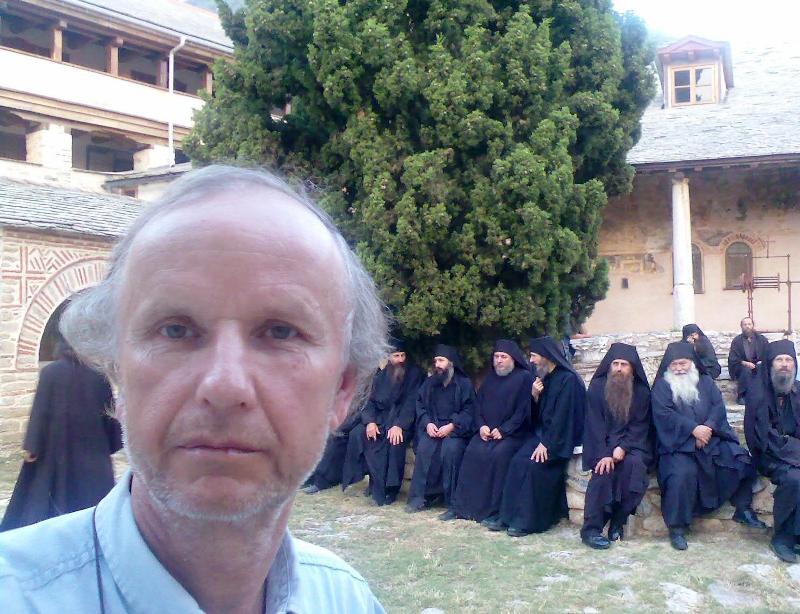
The oldest, founded already in the 10th century, and the most important within the hierarchy of all twenty monasteries of the Holy Mountain peninsula, is the Megisti Lavra cloister.
A requisite part of each prayer - either immediately after the morning matins, or following the evening vespers - is the common meal, in which the abbot, the monks and the pilgrims do participate together. These meals are served in dazzling refectories, usually decorated with indeed stunning frescos.
It's remarkable that such small
country as the Caribbean island of St. Lucia was a home country to two
Nobel Prize Winners: Sir Arthur Lewis in economics (in
1979) and
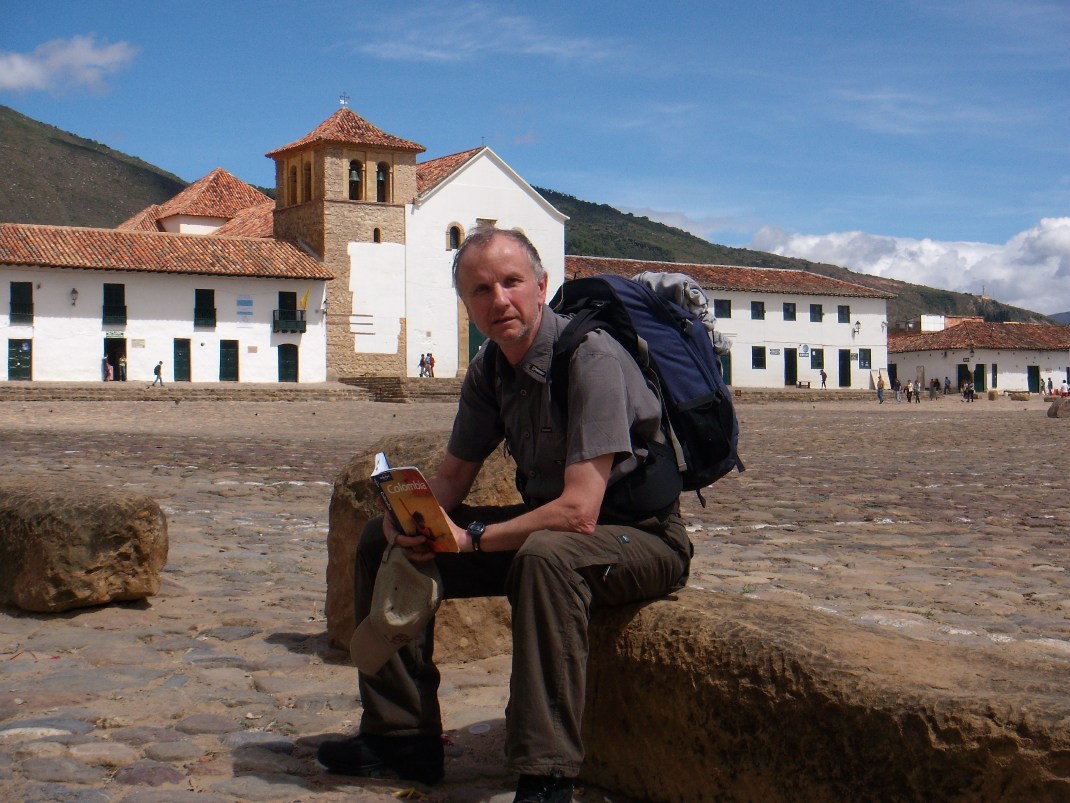
Villa de Leyva Villa de Leyva in Colombia. In entire world there is only a few such gorgeous small towns, where the time has stopped...
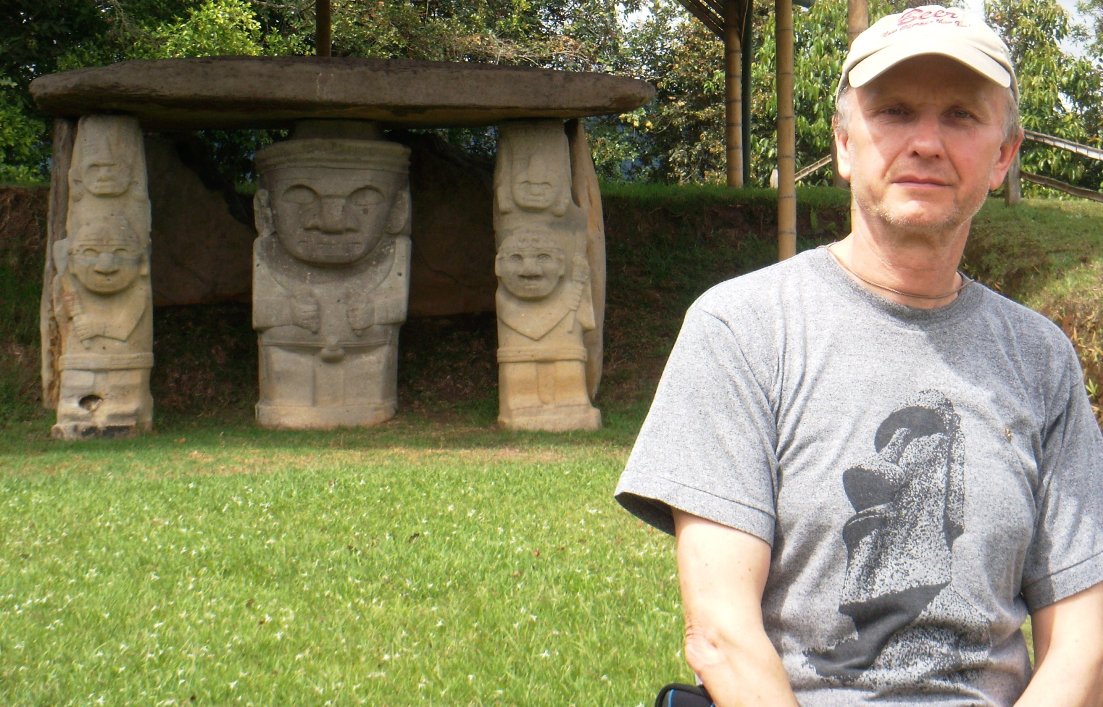
Colombia. San Augustin is the largest group of megalithic sculptures and religious monuments in South America. The figures range in style from abstract to realist, and were made between 1st and 8th century
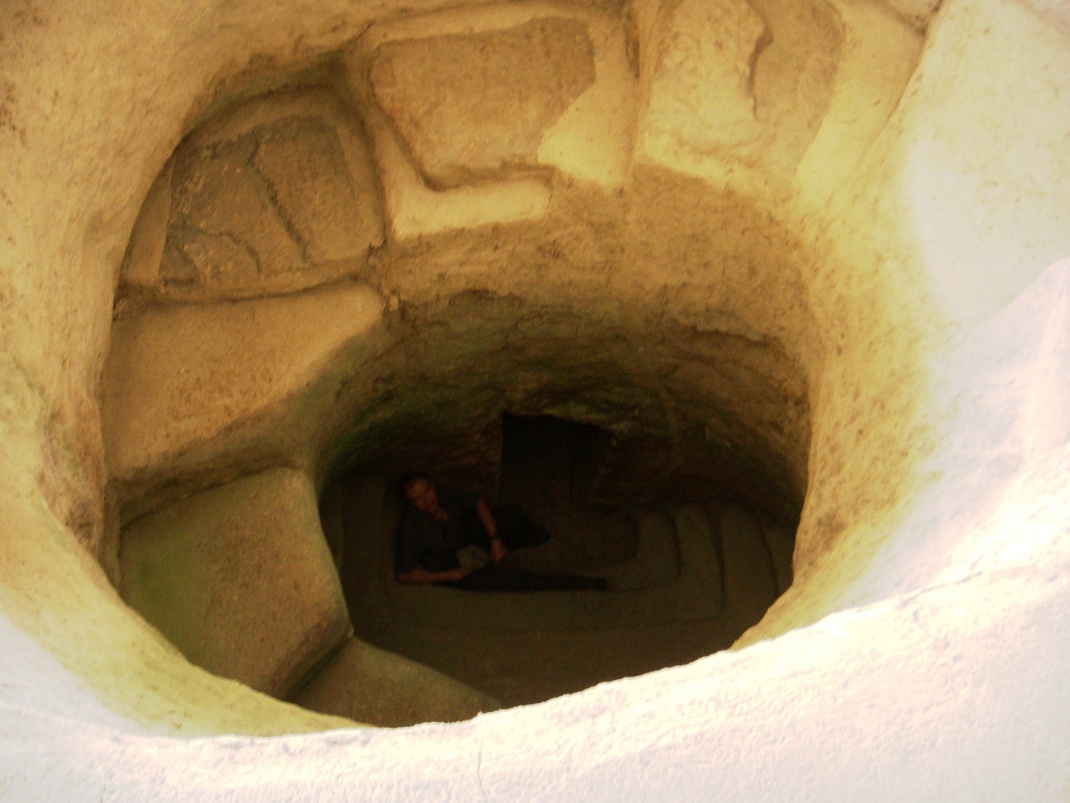
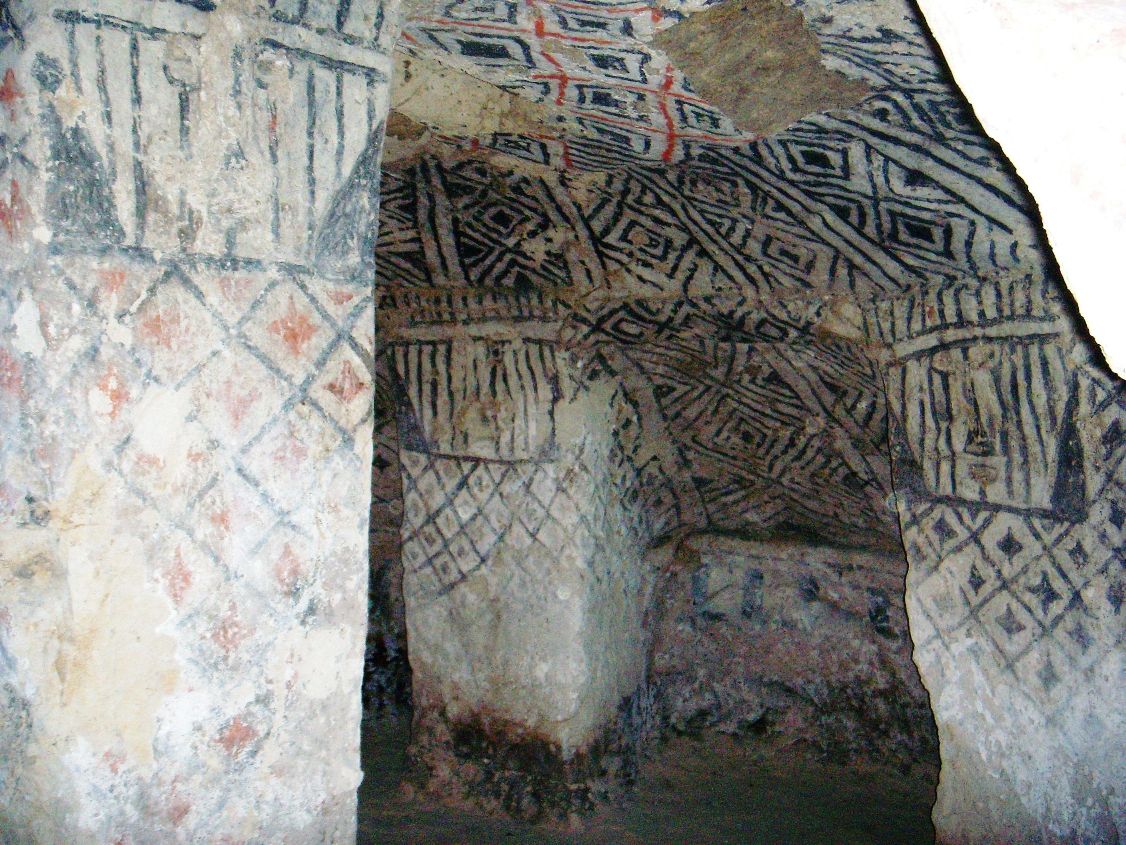
Southern Colombian Tierradentro has earned the UNESCO Culture World Heritage Site status not only because of the numerous human figures standing on the surface of mountainous slopes, but mainly due to the underground hypogea dating from the 6th to the 10th century.
Large underground tombs - some burial chambers are up to 12 meters wide - are decorated with motifs that reproduce the internal decor of homes of the period.
Cartagena - or Cartagena dos Indios - one of the most beautiful cities in Latin America, the heritage of Spanish colonial times.
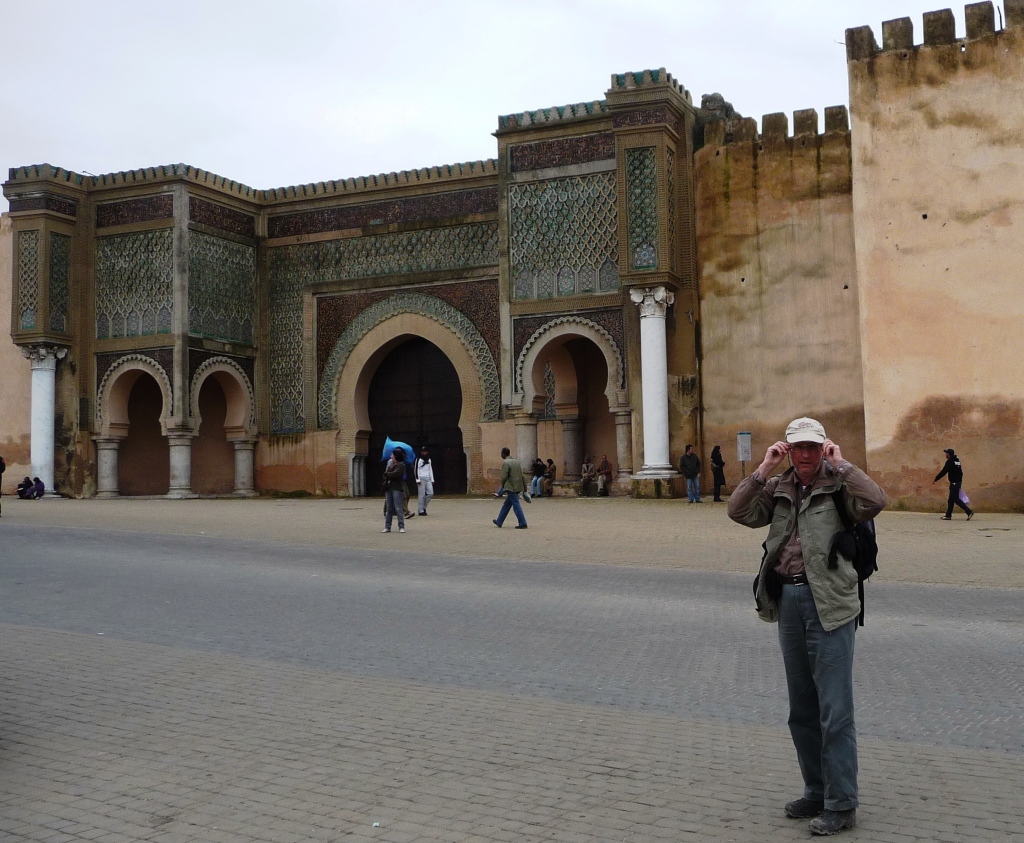
Morocco, the royal city of Meknes.
Vilnius. In front of the Adam Mickiewicz monument with the great-great-great-great grandson of the great poet
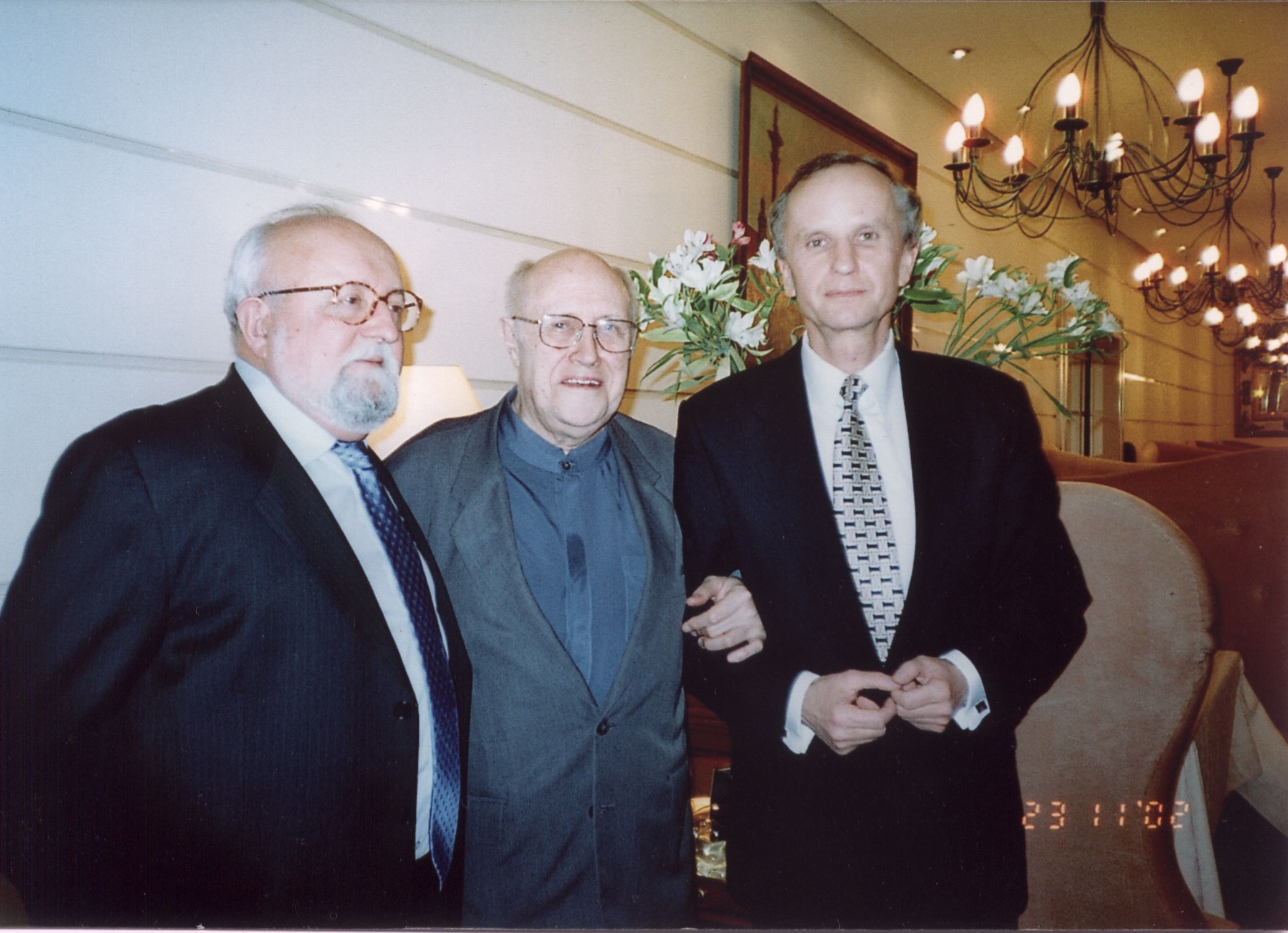
With the greatest cellist of our times, Mstislav
Rostropovich, and the great Polish composer, Krzysztof Penderecki,
after the concert at the Warsaw Philharmonic Orchestra
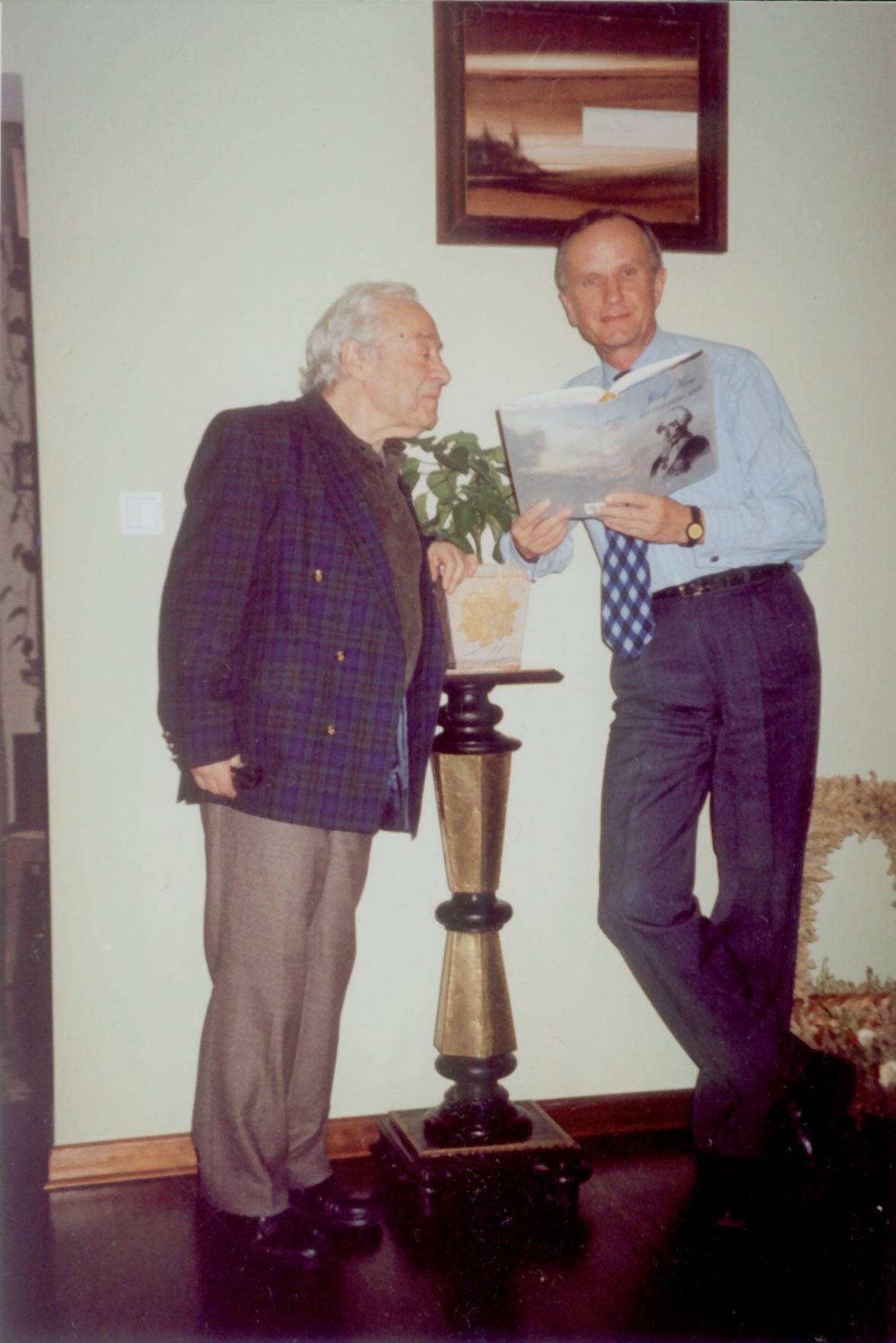
It is an honour to receive from the author himself - a famous writer Jozef Hen - a first copy of an excellent book entitled "Mój przyjaciel król" (My Friend the King), which describes the history of Polish king Stanislaw August (1732 - 98)
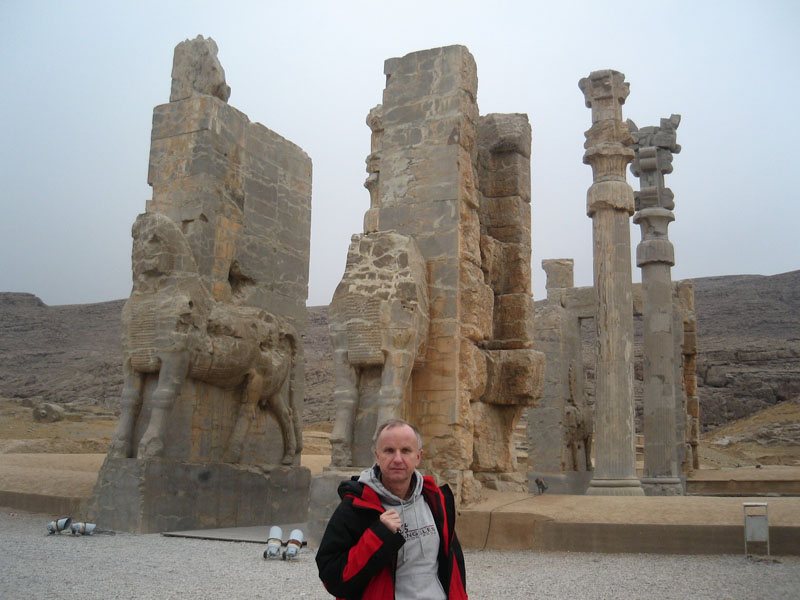
No doubt, Persepolis is one of the most magnificent historical sites of the all world. The work on Persepolis, the ruins of which are indeed impressive, had begun under Darius the Great in about 518 B.C.
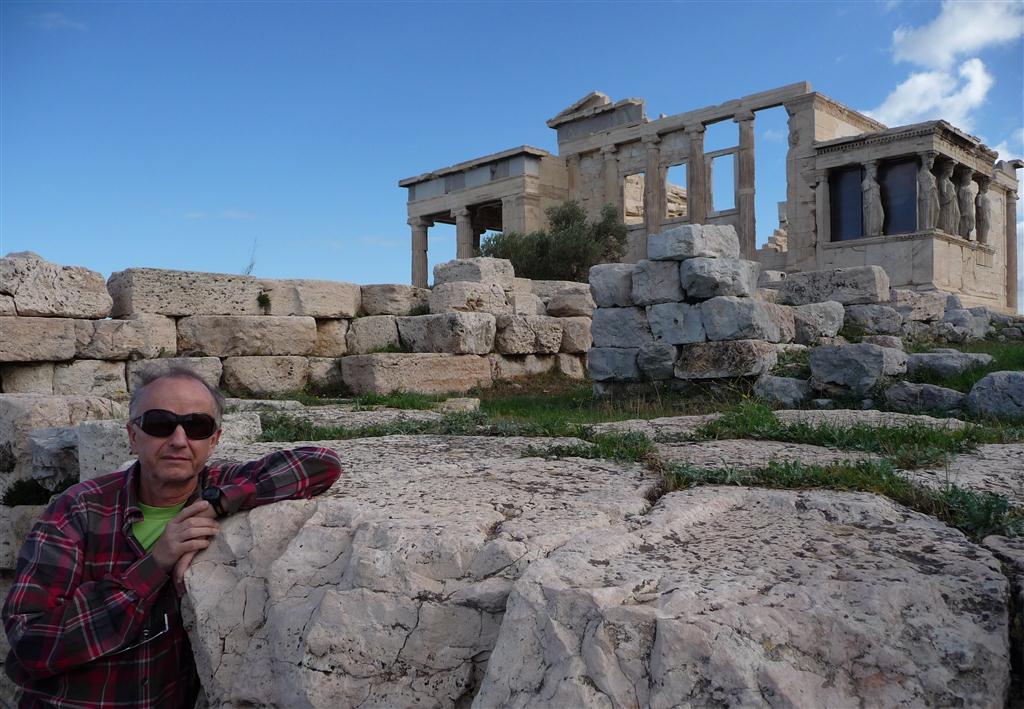
Acropolis had been a peer of Persepolis, yet the beginnings of the former started much earlier. Sadly, these two great civilizations were fighting each other and from time to time were ruining their wonderful buildings. Fortunately, there is still a lot to admire.
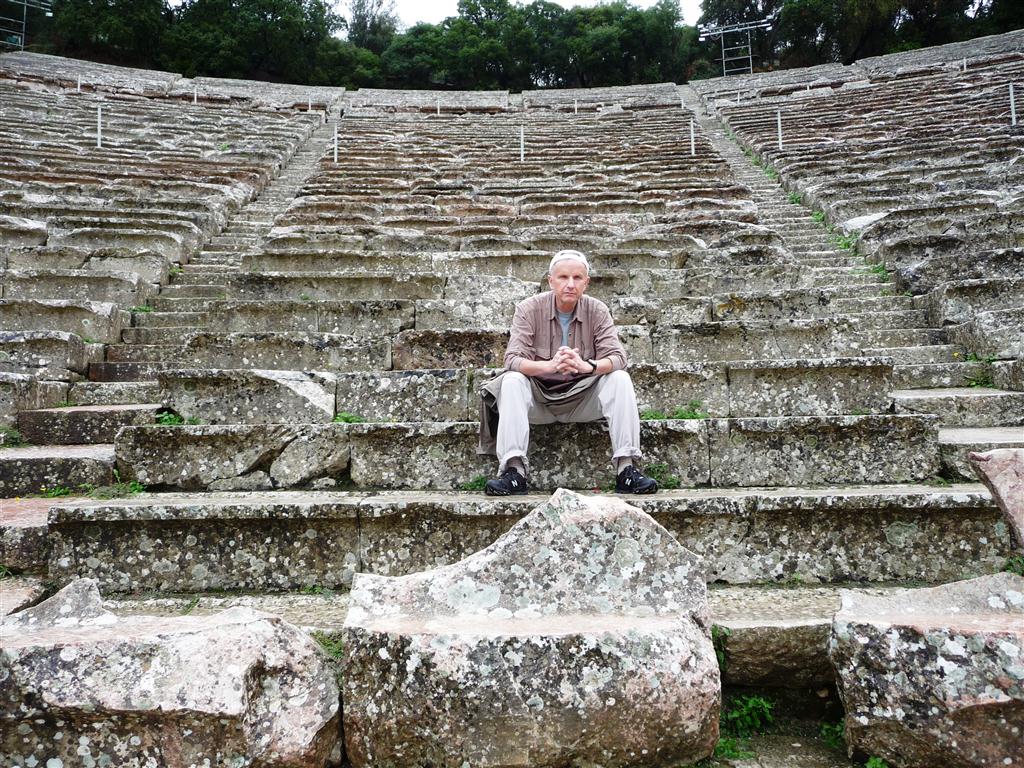
Having already over two thousand years amphitheatre in Epidavros continuously fascinates with its beauty.
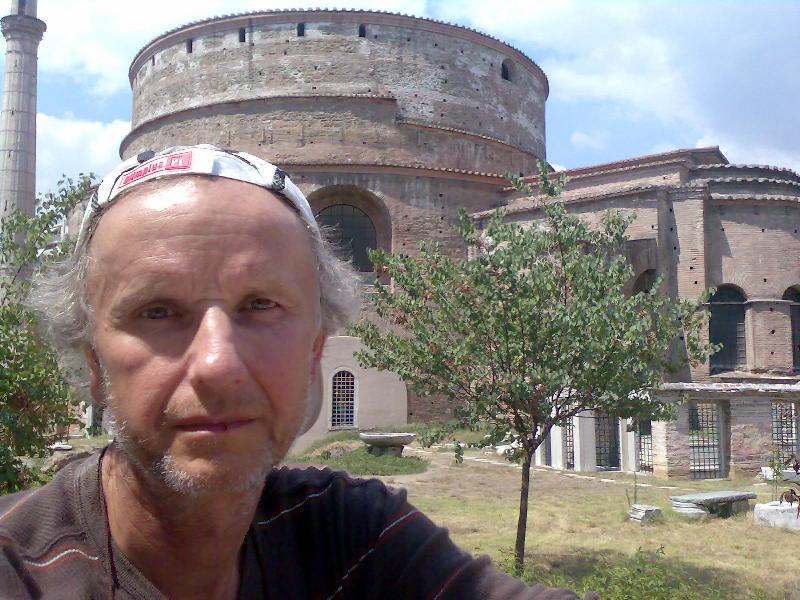
In Thessalonika some of the paleochristian and Byzantine monuments have been saved over the centuries. Of special importance here is the rotunda, an early Christian church. The uniqueness of these monuments has convinced UNESCO to grant them the World Culture Heritage status
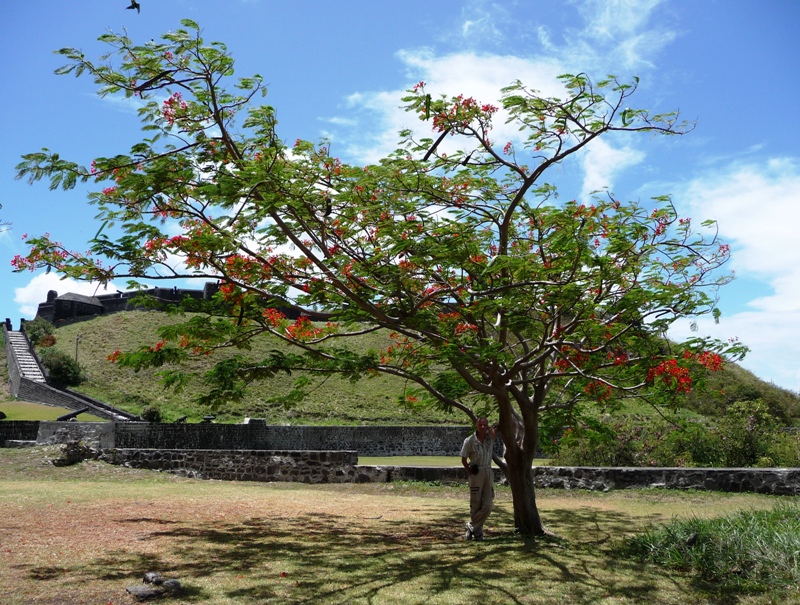
Built by the British on the Saint Christopher island, St. Kitts and Nevis, the Brimstone Hill Fortress is one among very few historical spots, which have earned within the Caribbean region a rank of the UNESCO World Culture Heritage site
The Castilian monastery of the Escorial, at the outskirts of Madrid, is beautiful, quiet and distinguished. In the monastery's complex, which has been constructed during the reign of Philip II in XVI century, there is, inter alia, the pantheon of Spanish kings.
On the northern edge of Africa, in contemporary Algeria, lays Tipasa an ancient Punic trading-post conquered by Rome and turned into a strategic base. While walking here one may feel not only the breeze of the Mediterranean sea, but also the touch of long history...
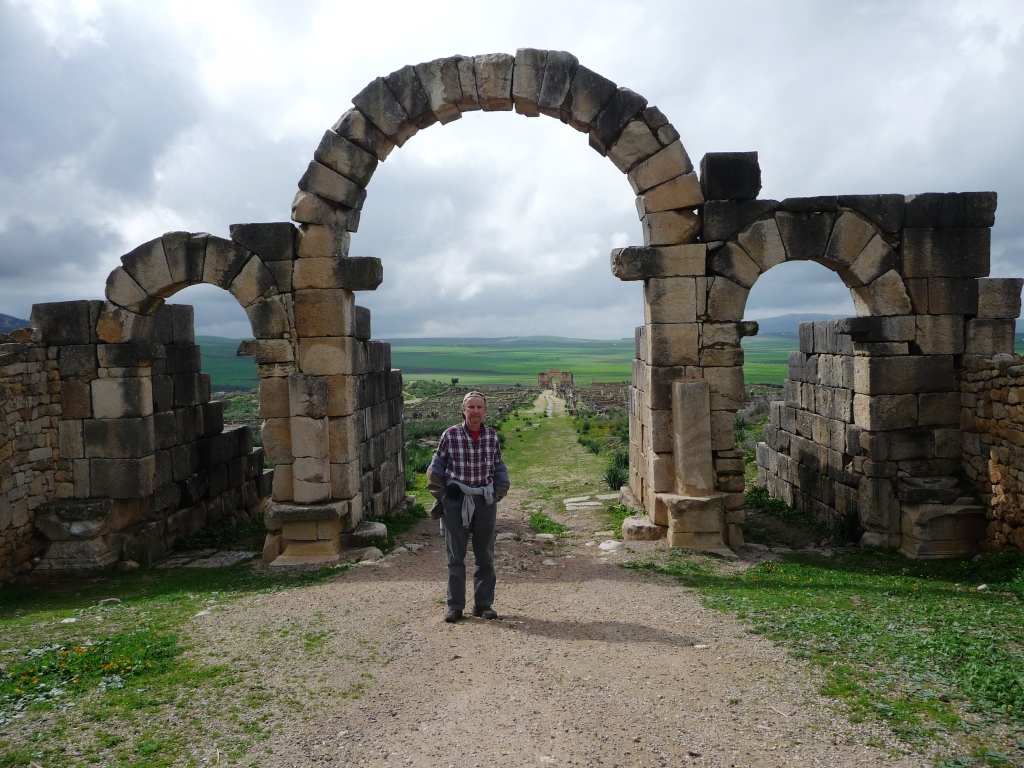
Morocco. Here, at Volubilis, long time, over two thousand years ago, due to the Romans an ancient civilization and sophisticated culture had flourished.
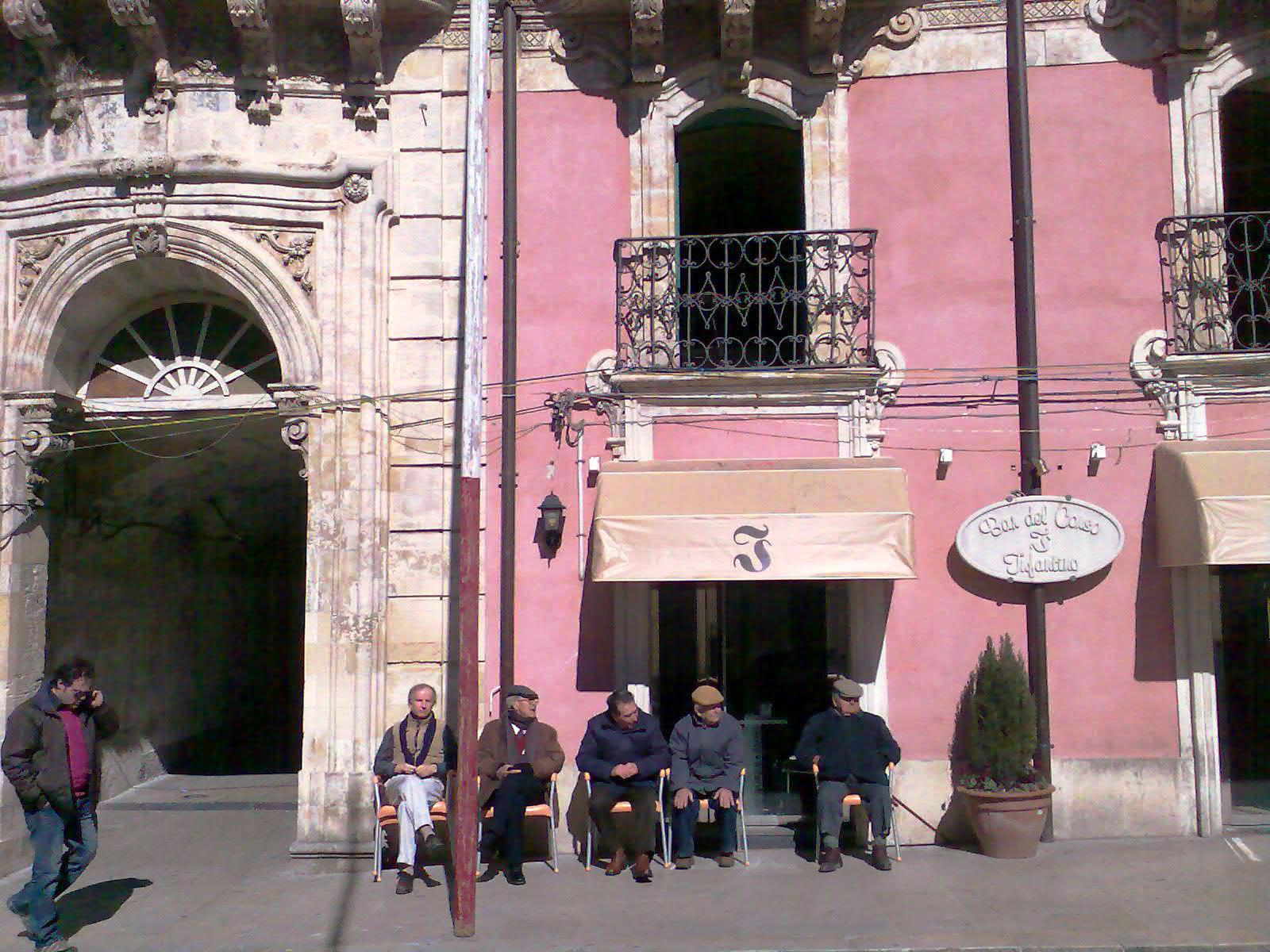
Chatting with Sicilians... In South-Eastern Sicily there is as many as eight towns of the Val di Noto - Caltagirone, Militello Val di Catania, Catania, Modica, Noto, Palazzolo, Ragusa and Scicli, - with beautiful and so unique architecture of late baroque that the deserve to be included on the list of UNESCO World Culture Heritage Sites.
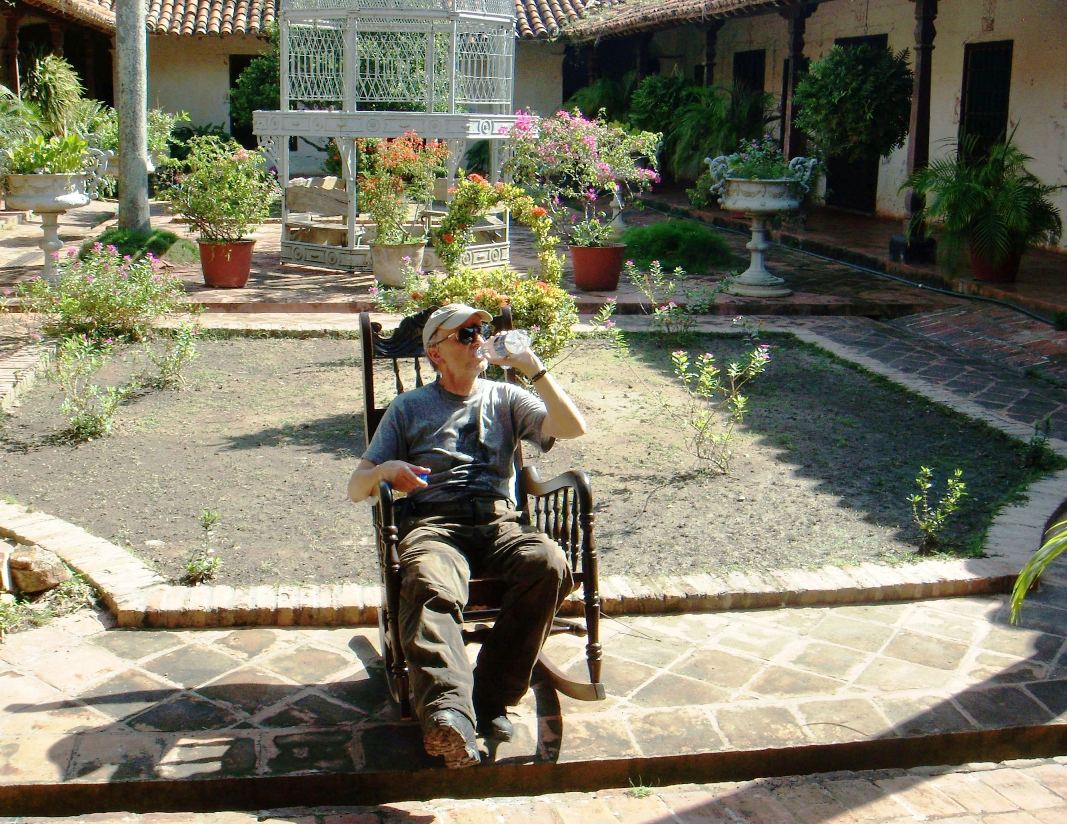
Mompos (known also as Santa Cruz de Mompox), founded already in 1540, stands on the bank of the river with the same name, far away from the tourist routes. It's a small town, so splendid with its colonial architecture that has been distinguished as the UNESCO World Culture Heritage Site. The life here goes slowly, as at the time of Tom Saweyr, and it is a custom to enjoy long siestas in the reclining armchairs, for which the town is famous not only in Colombia.
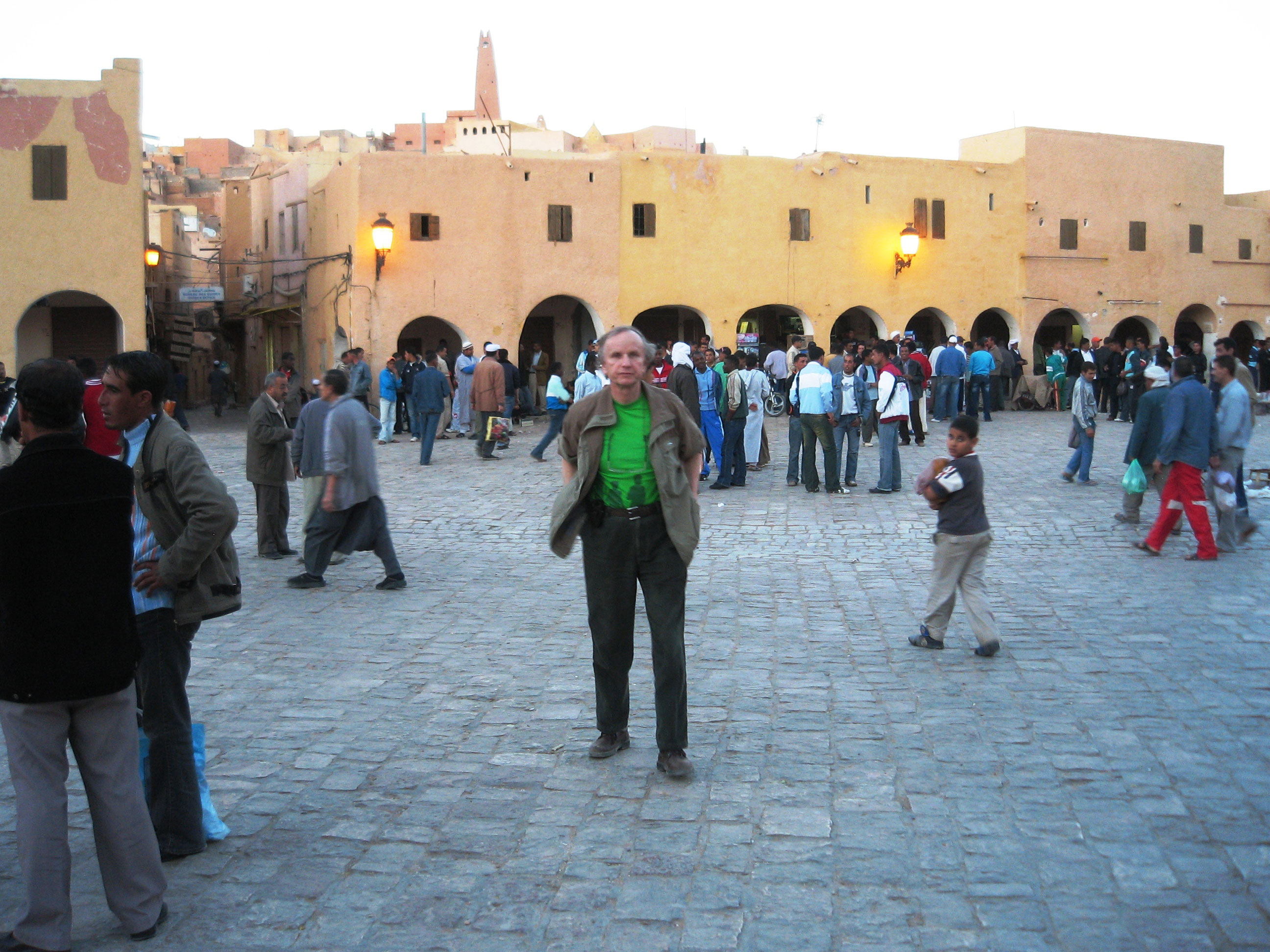
The Mozabits (known also as the Ibadites), the first schismatic sect in Islam, the Kharijites, after almost a thousand years still live in the M'Zab Valley in Algeria, despite a harsh climate. Their five fortified cities (ksour), including Ghardaia, due to unique features and traditional style of life of the local people, are listed as the UNESCO Culture World Heritage Site.
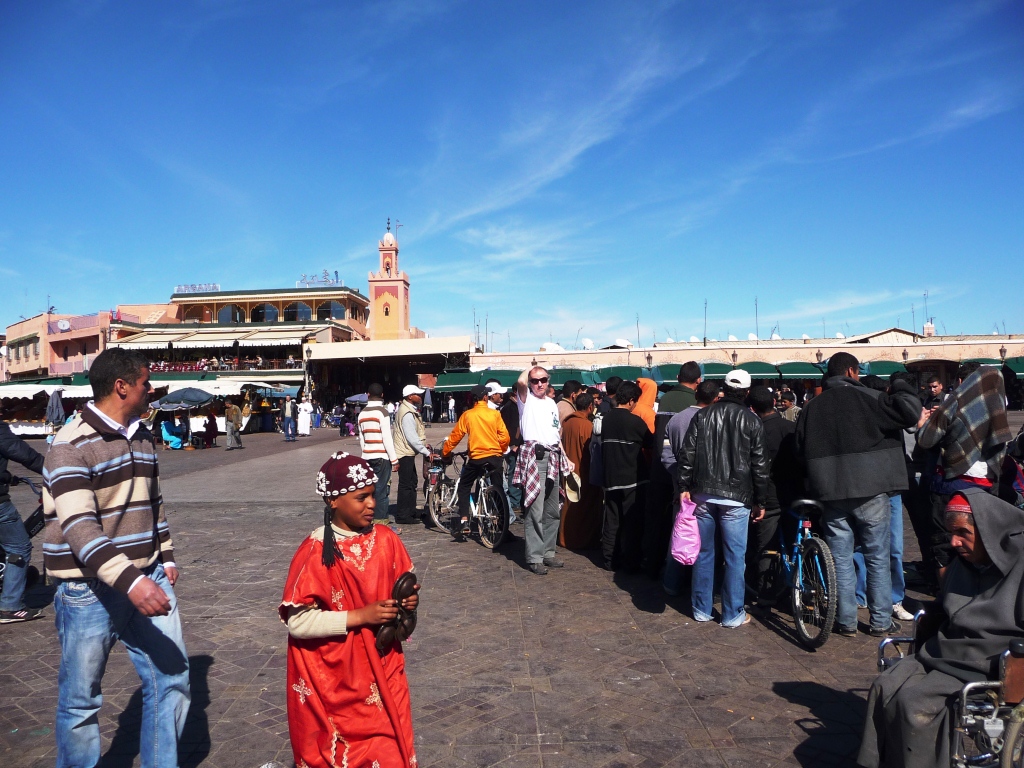
Djemaa el-Fna square in Marrakesh looks as a theatre of live. Since thousand years something interesting is going around. So, it's not a surprise that UNESCO has awarded this unique place the status of the World Culture Heritage Site.
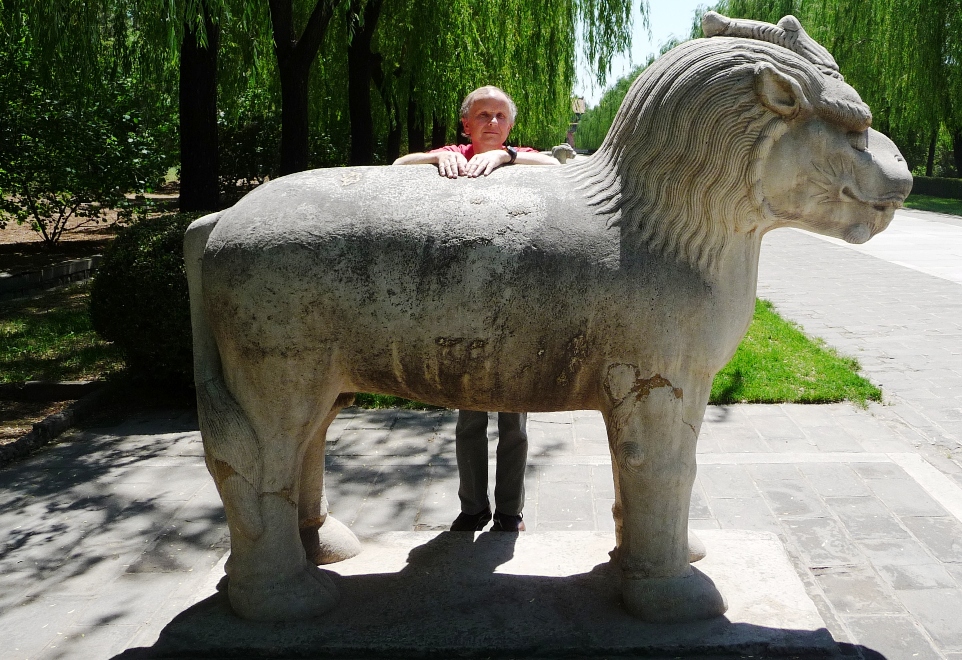
Shendao (the Sacred Way) leads to the Imperial Tombs of the Ming and Qing Dynasties
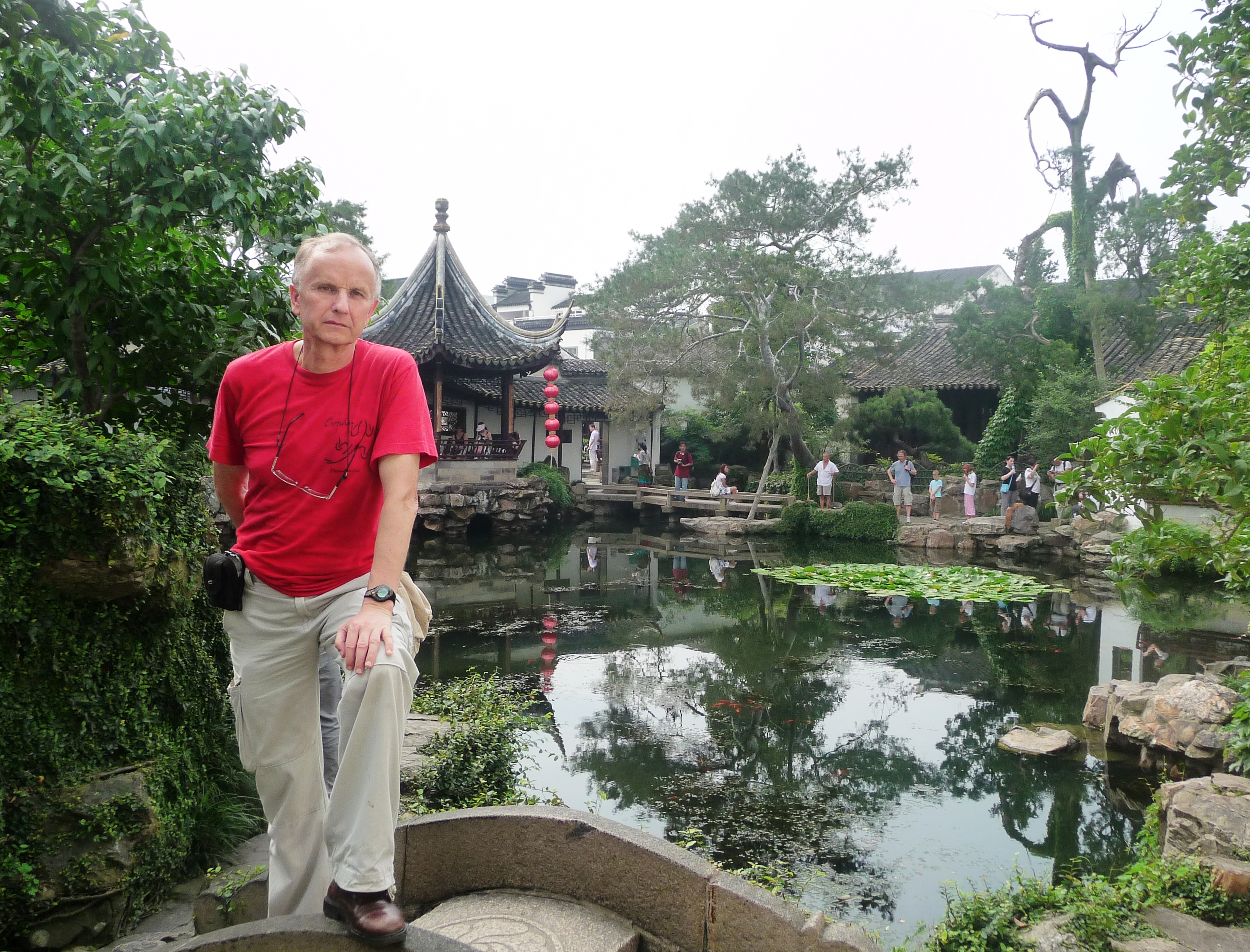
In classical Chinese garden in Suzhou
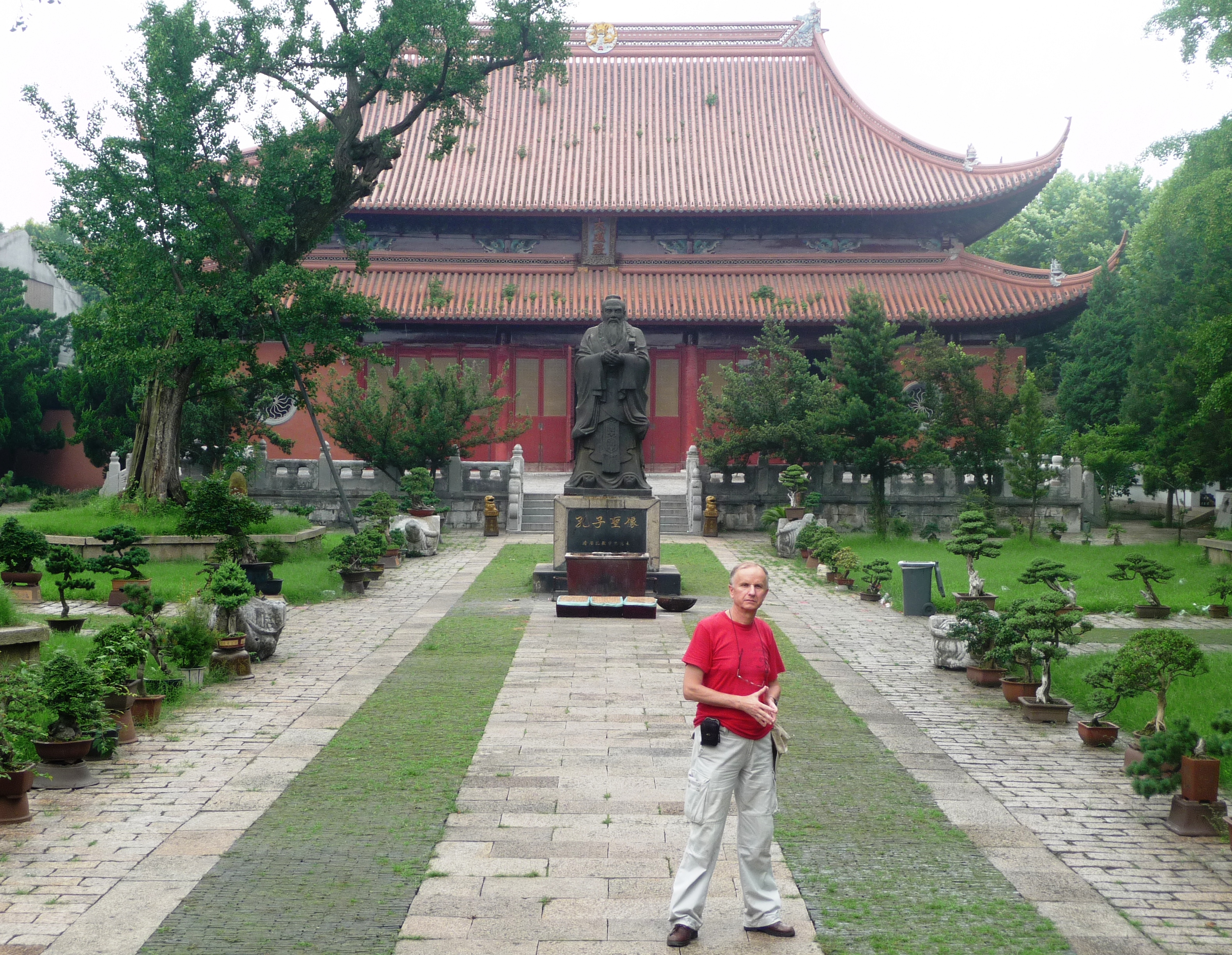
Suzhou, in the temple of great Confucius.
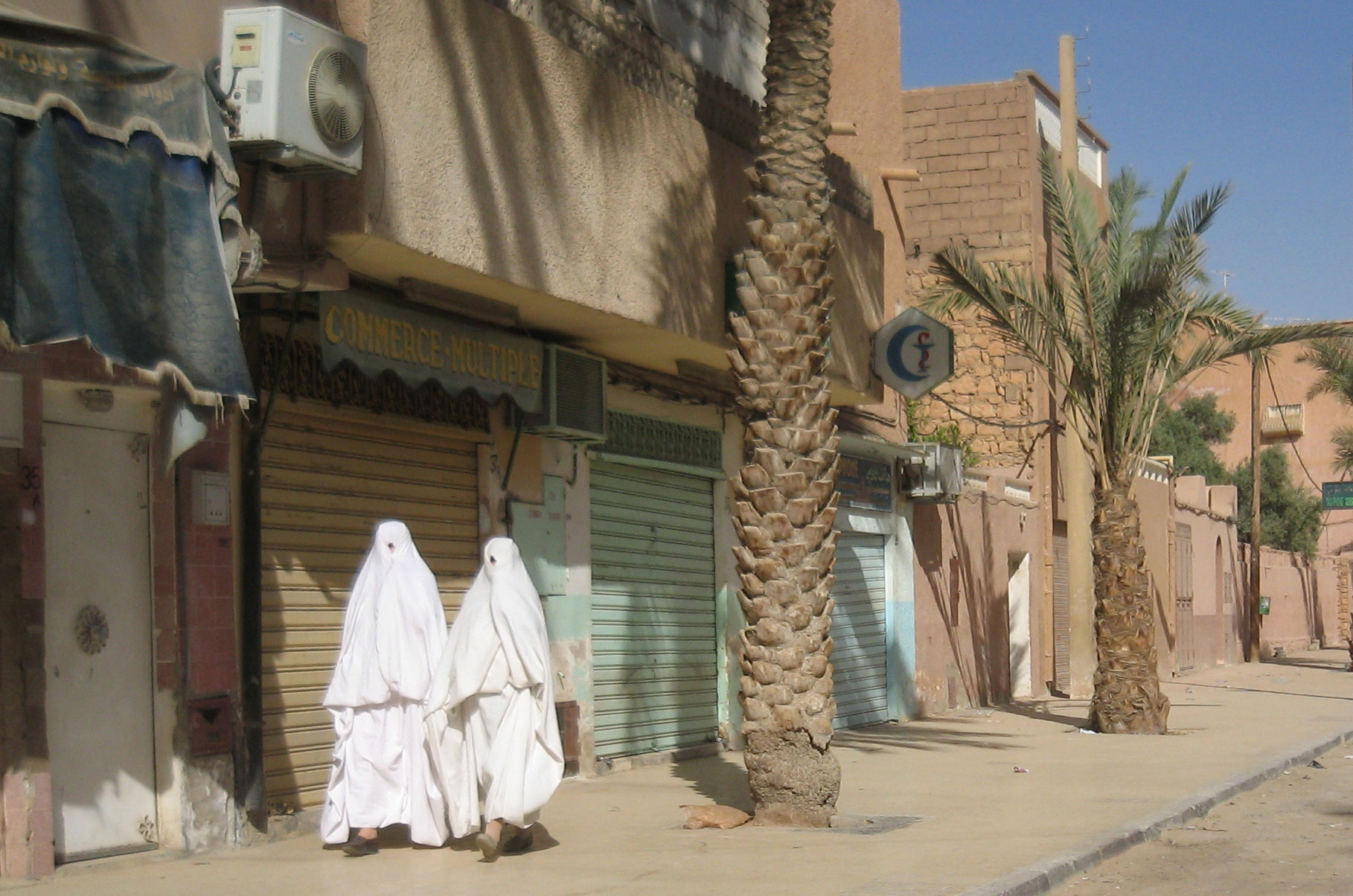
In Ghardaia the old habits and traditional culture are observed till today. The Muslim women here wear the white robes, covering them form head to toe, and only one eye can remain not covered.
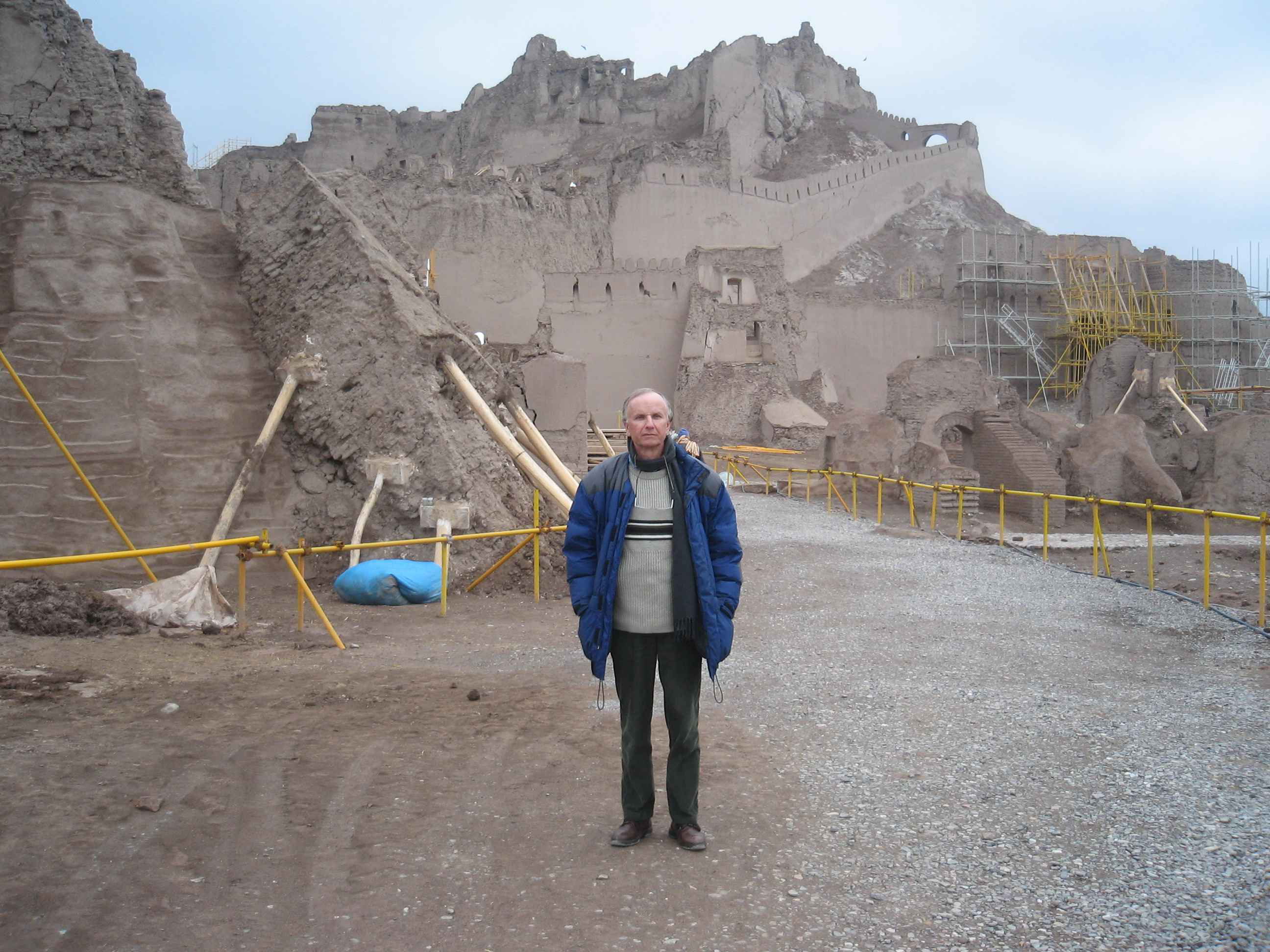
On Christmas 2003 a devastating earthquake has destroyed magnificent old city, built from clay. The origins of Bam, in south east Iran, are traced back to the Achaemenid period (VIth to IVth centuries BC), and its heydays to the period between VIIth and XIth centuries.
Luckily, the ksar of Ait Benhaddou, a group of earthen buildings surrounded by high walls, a striking example of the architecture of southern Morocco in Ouarzazate province, has been saved. It is a traditional pre-Saharan habitat. Its unique beauty has driven the attention of various moviemakers - from "Lawrence of Arabia" to "Gladiator".
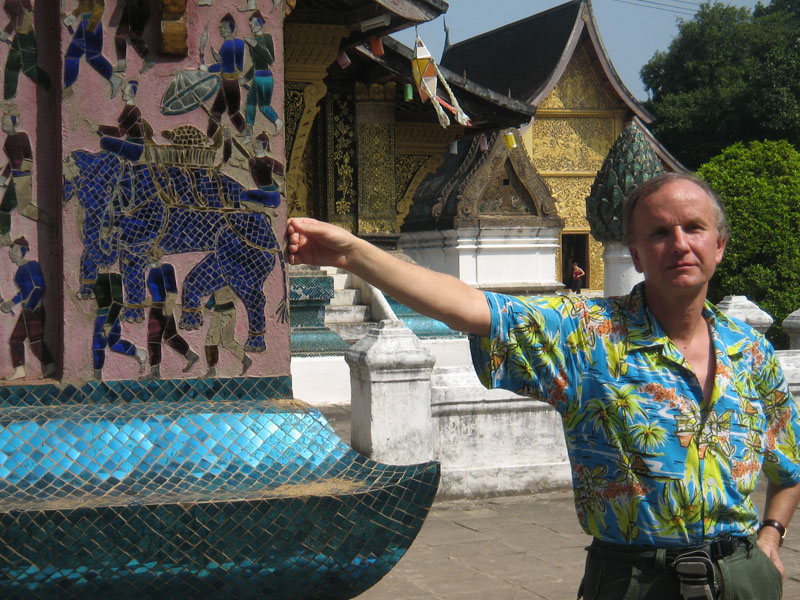
It's not at all a surprise that the Lao historical town of Luang Prabang is included on the list of unique and extraordinary valuable places of the world - the UNESCO World Culture Heritage List. There is as many as 32 wats, or the Buddhist temples, and among them a true gem, unusually beautiful Wat Xieng Thong.
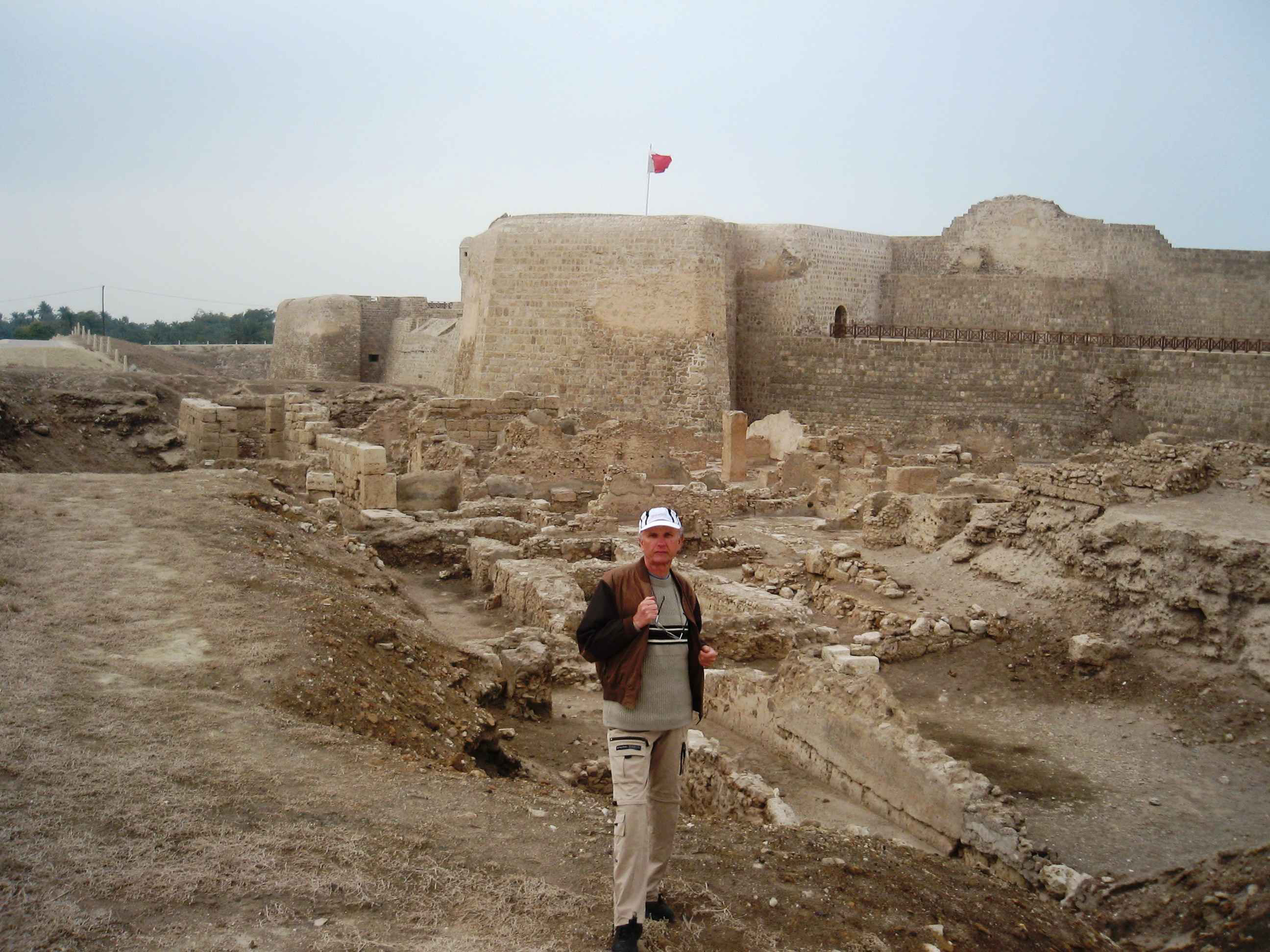
In Qal'at al-Bahrain - ancient harbour and capital of the Dilmun cilivization - one can study the Bahraini reach history, from the period form mysterious Dilmun cilivization 2,800 years B.C. till the time of Portuguese short dominance in XVIth century.
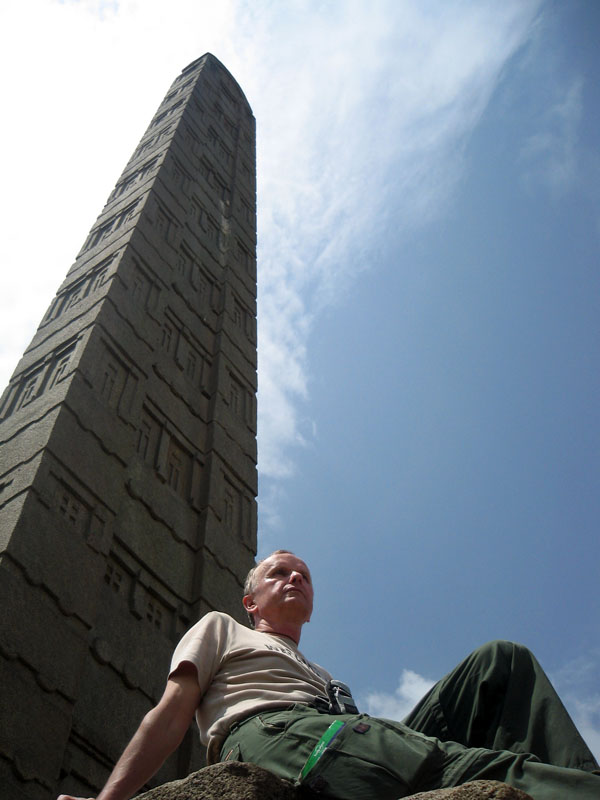
The great African ancient civilization of Aksum - at the border region of contemporary Ethiopia and Eritrea - is still haloed of mystery and we know not so much about it. Spectacularly interesting here are the monoliths (stelae), of which the highest still standing is reaching 24 meters (80 feet). In Aksum - which has been awarded with the status of the UNESCO World Culture Heritage Site - there is about 120 stelae and the oldest in this region of Africa are as old as 5 thousand years...
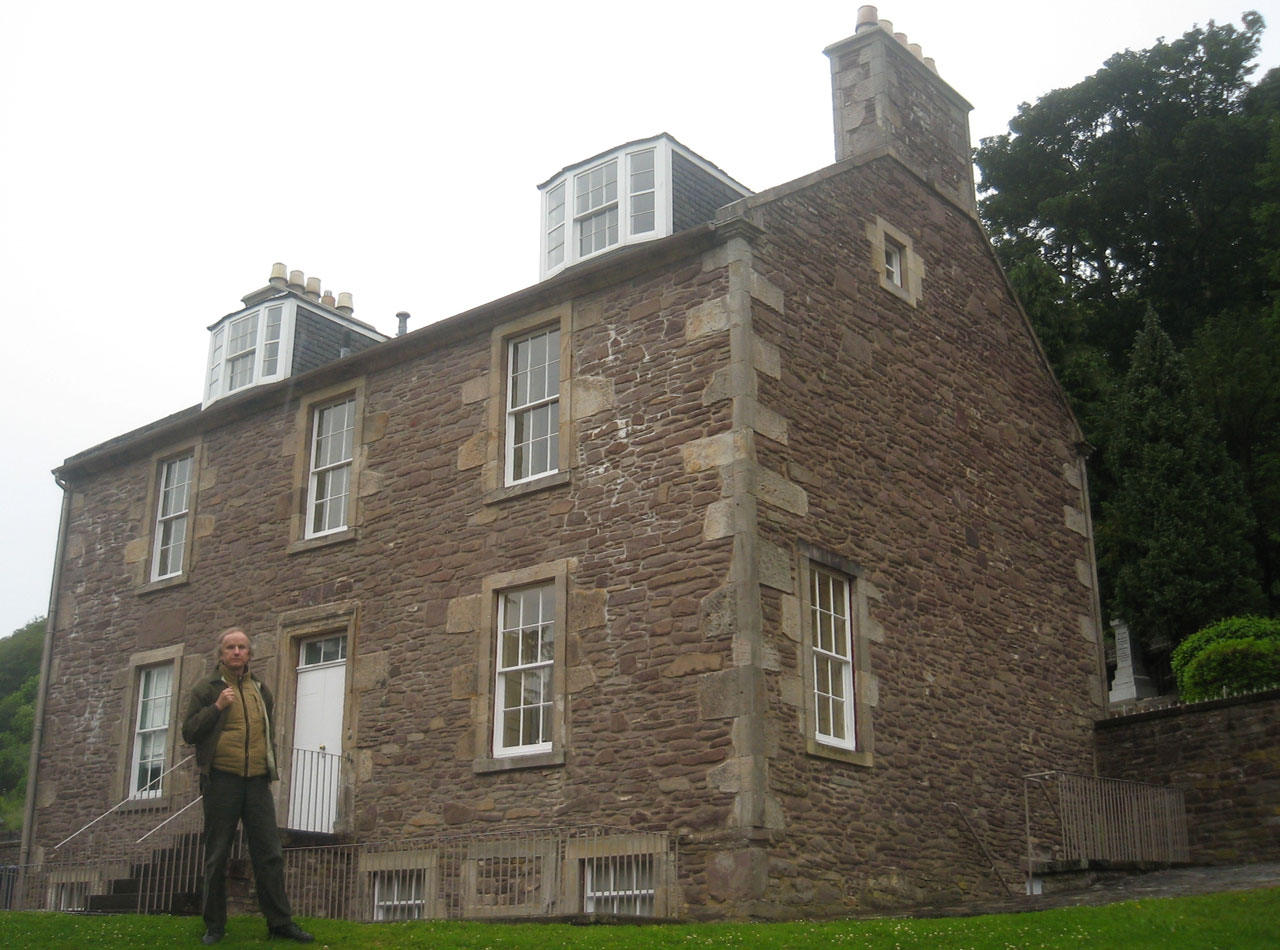
New Lanark, Scotland. UNESCO World Culture Heritage Site. At the house of Robert Owen (1771-1858), famous British industrialist and utopian idealist, who has devoted his life toward a quest for better and more just world.
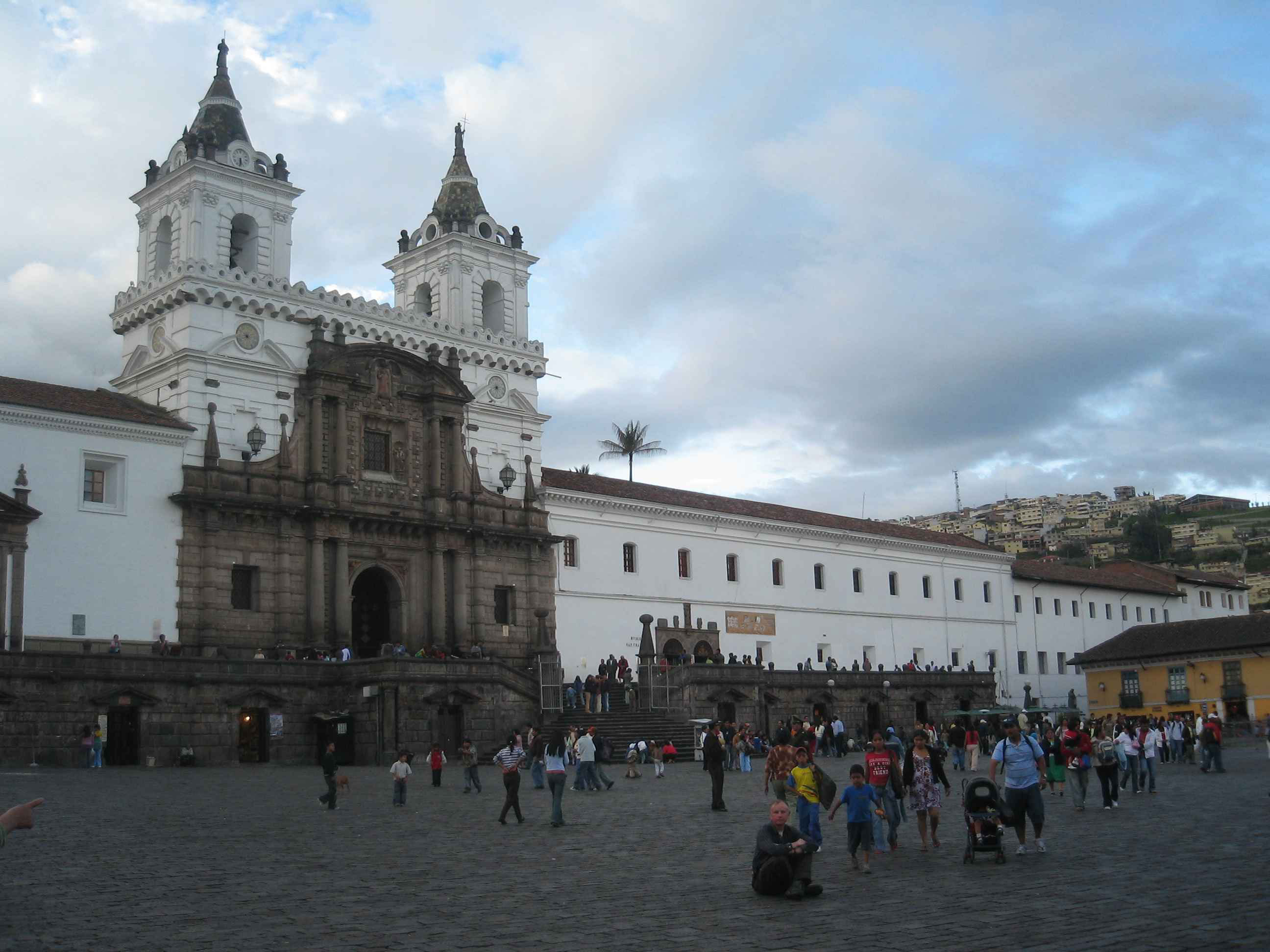
The Old Town (El Centro) of Quito is gorgeous. Hence it is not surprising that, while rich with a lot of beautiful examples of well-preserved colonial architecture, it has been listed as the UNESCO World Culture Heritage Site already for 30 years.
It's difficult to believe, yet indeed in the mid-XVIIIth century Potosi had 200 thousand inhabitants and was as rich as New York and Paris. This beautiful city in poor Bolivia still attracts a lot, yet not anymore through the enormous wealth of the silver of Cerro Rico, in shadow of which it lays at the attitude of 4,000 meters above the sea level, but due to its splendor and rich cultural heritage.
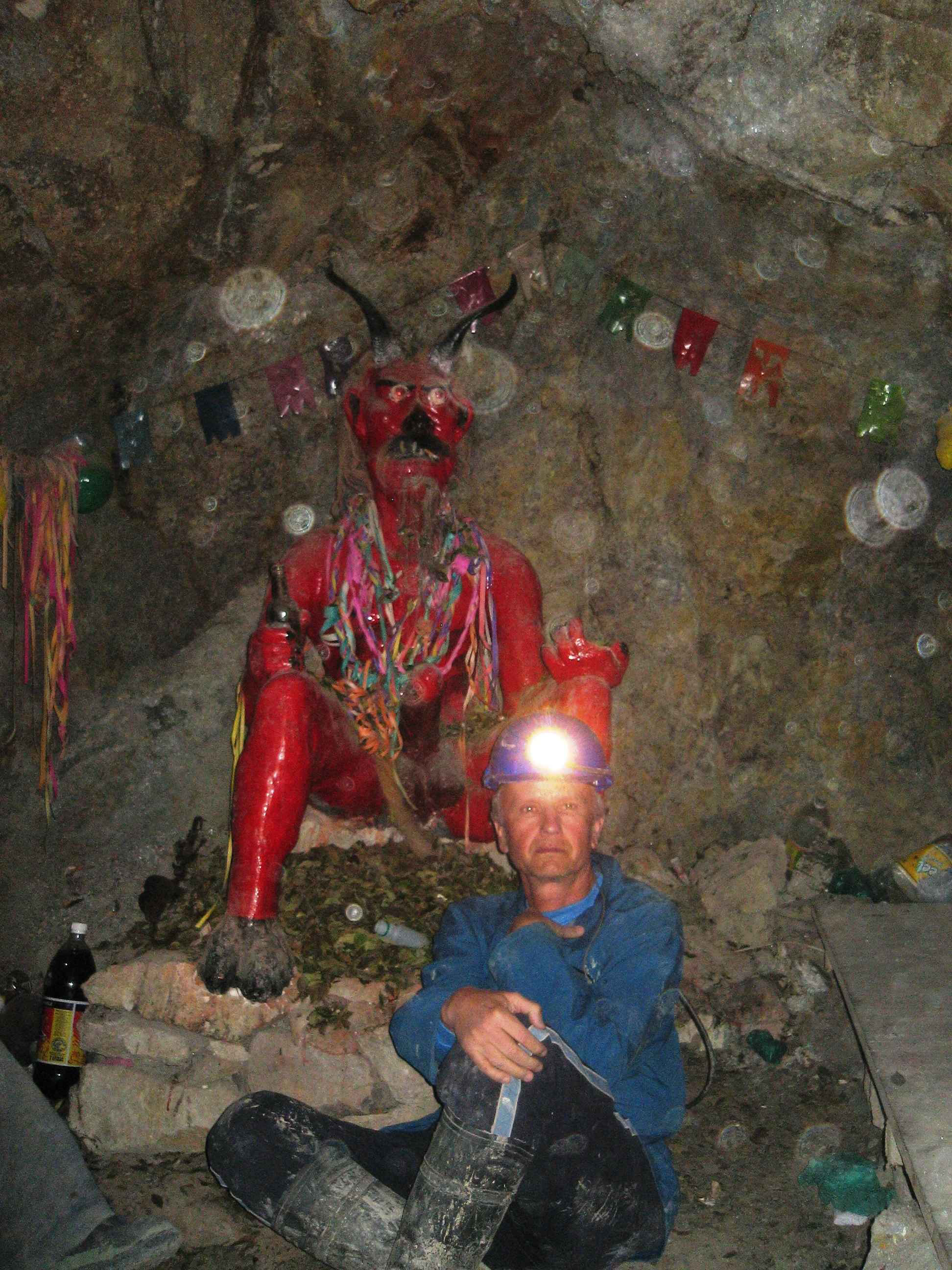
The silver miners, working hard in the Bolivia's Cerro Rico, believe that, where else if not right there, underground, where there are sweating for hours, must live the Devil. So, in a way they celebrate him, at least for the reason to keep him away from their lives. Just in case, there refer to him as Tio (Uncle), and never as Diablo.
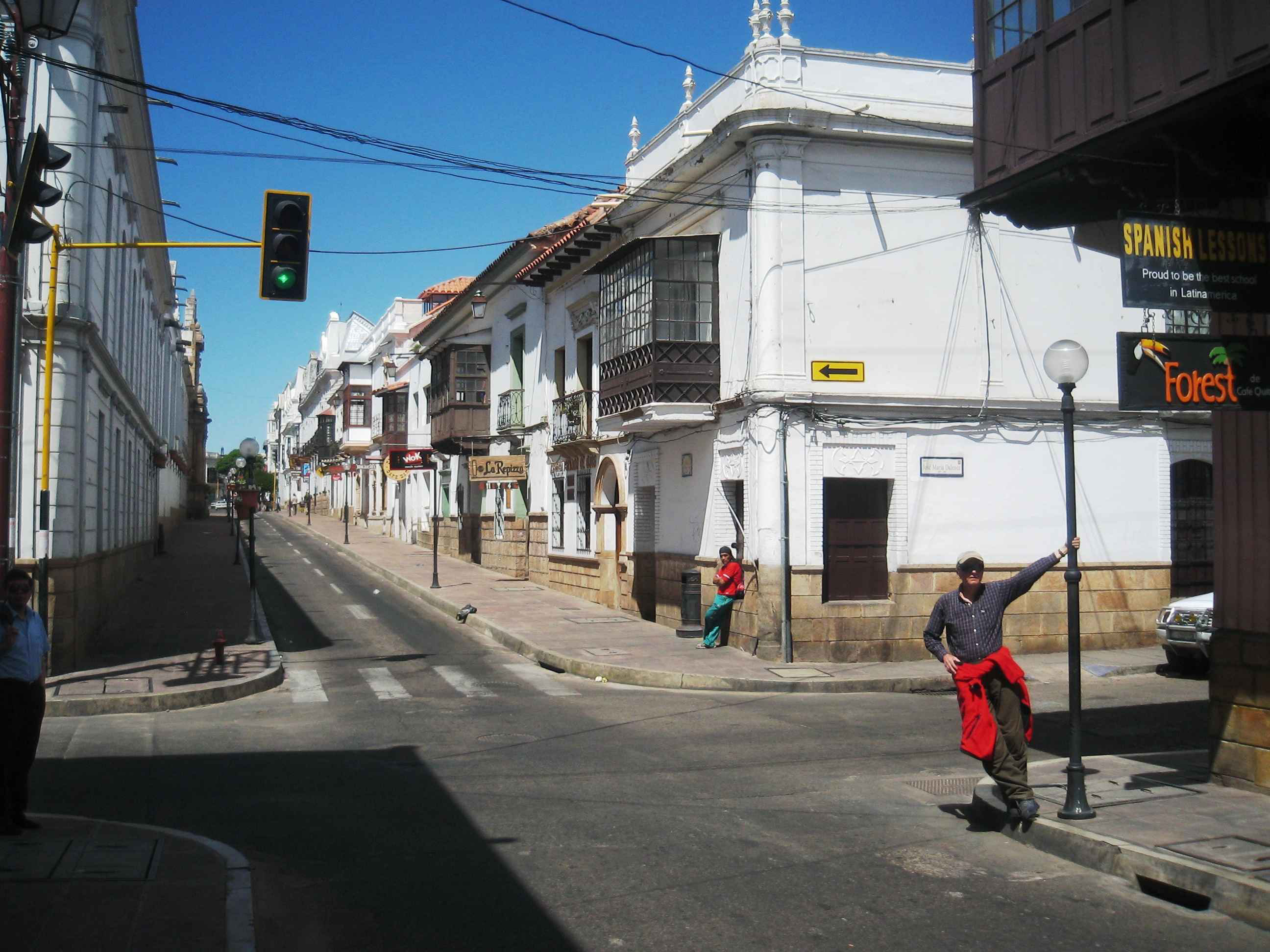
Due to the rich historical architecture from the years of colonial prosperity, another Bolivian city - Sucre- is also enlisted as the UNESCO World Culture Heritage Site.
Z zadumą z Papui
From North Korea, with a smile
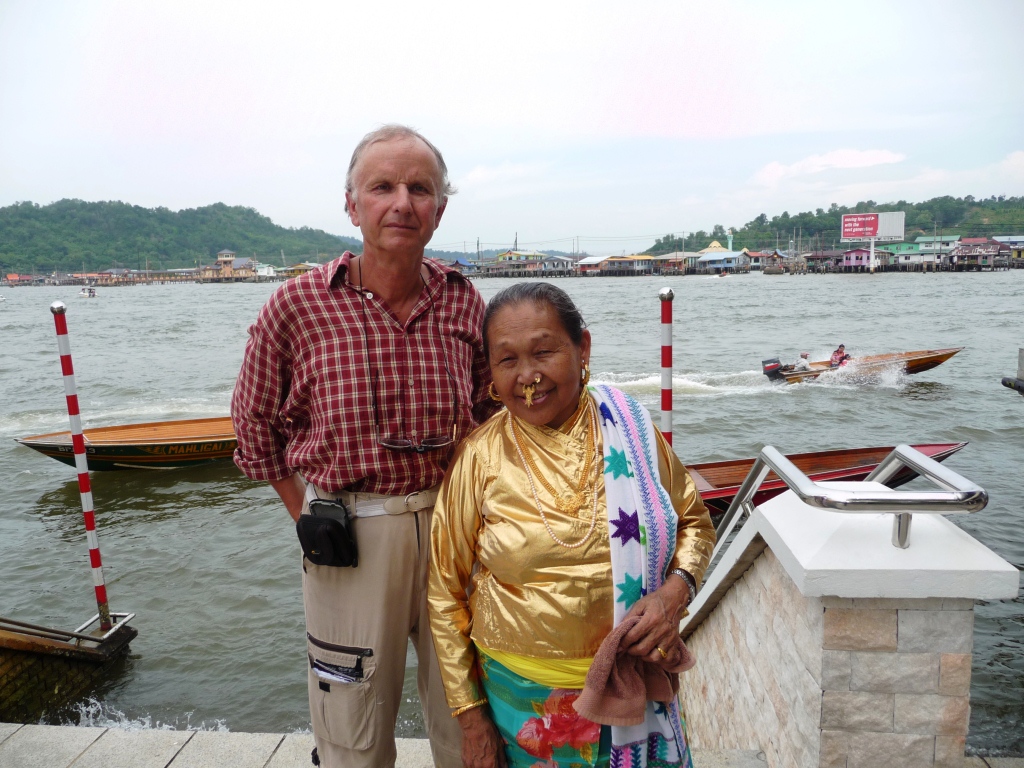
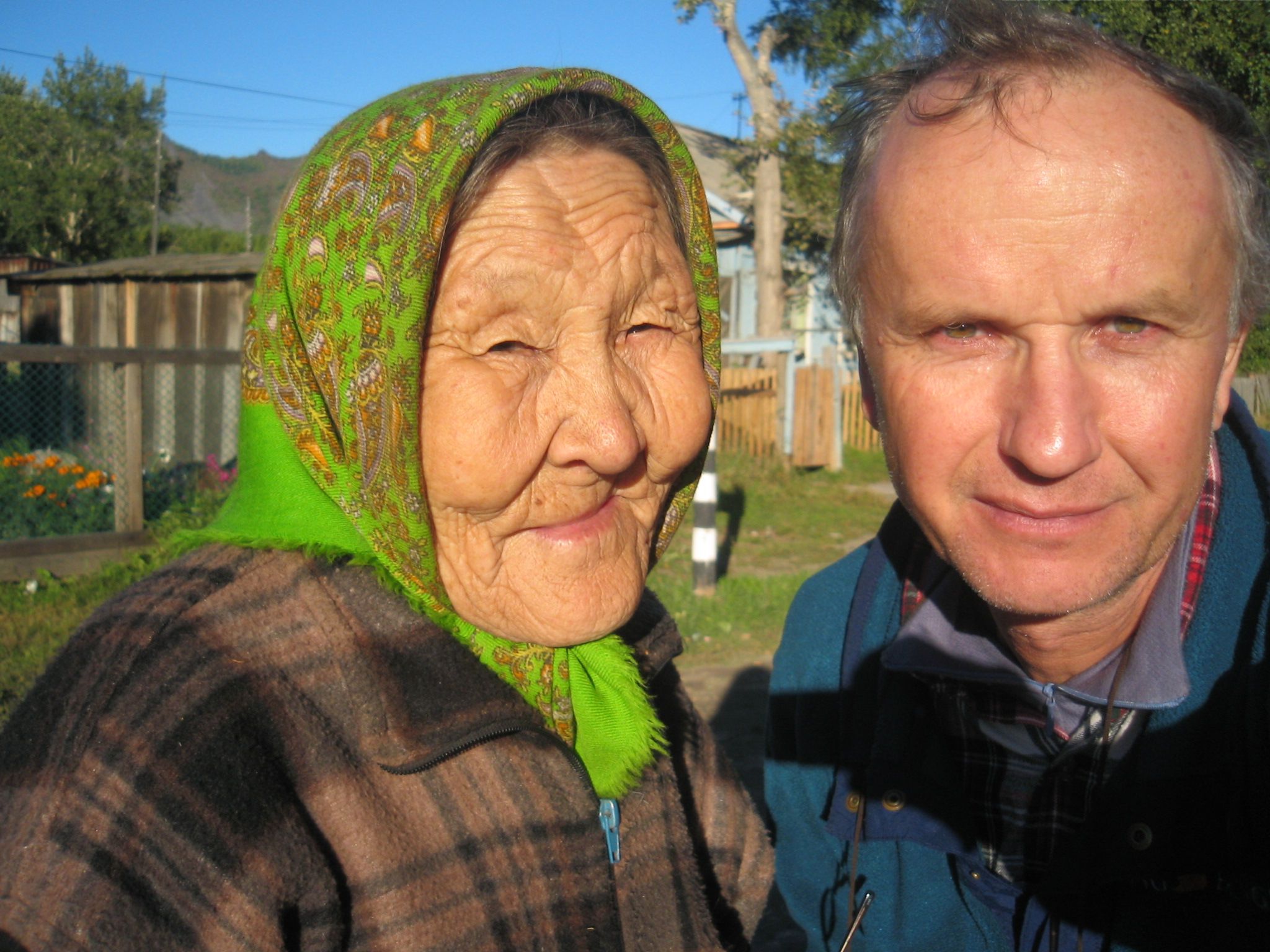
The women everywhere want to look beautiful. In Brunei too Out of Petropavlovsk - the industrial and administrative center of Kamchatka - majority of the population is aboriginal, since they have been leaving here for a couple of millennia. Along the cost of Pacific Ocean, the Bering Sea and the Sea of Okhotsk the Koryaks, Czukchi and Itelmeni are settled. As for the latter - including Oktiabrina, whose parents have given her such name to celebrate certain October, quite well known form the history - they live mainly in the interior, amid marvelous mountains, rivers and forests.
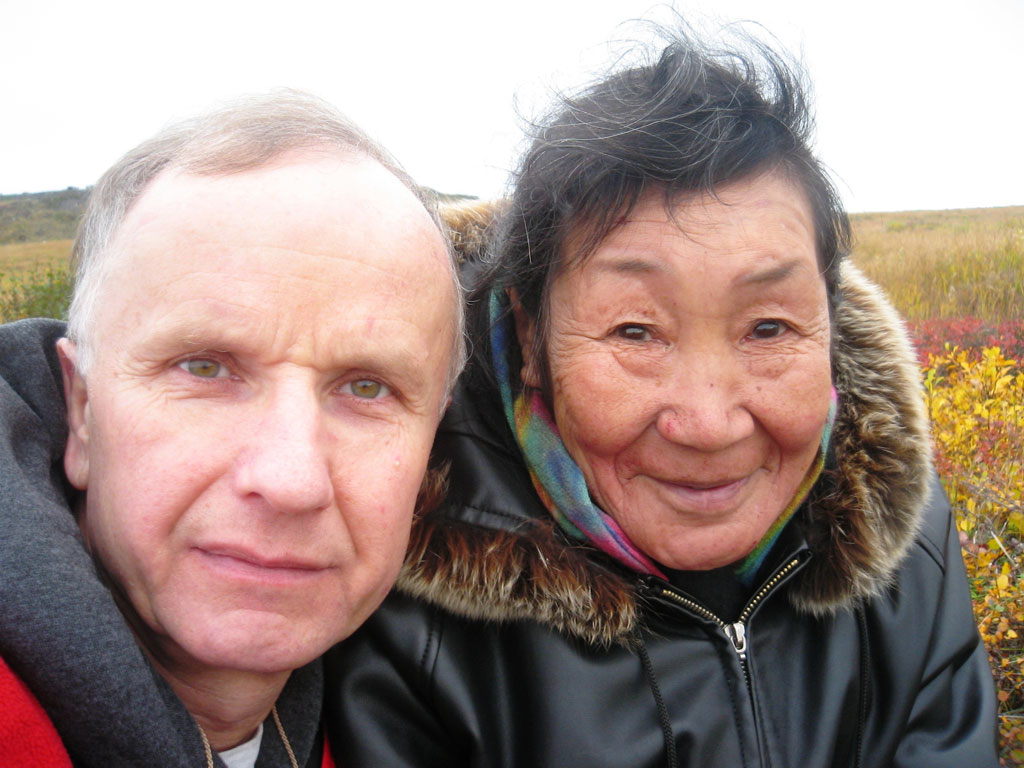
Chukotka consists of the coast of several arctic seas - Bering, Chukchi, East Siberian and Laptiev - several ranges of mountains, and vast tundra. At the area of approximately half a million square kilometers live here about 300 thousand people, including Galina, a Czukcha who's spent all her life at this remote yet so beautiful region of the world.
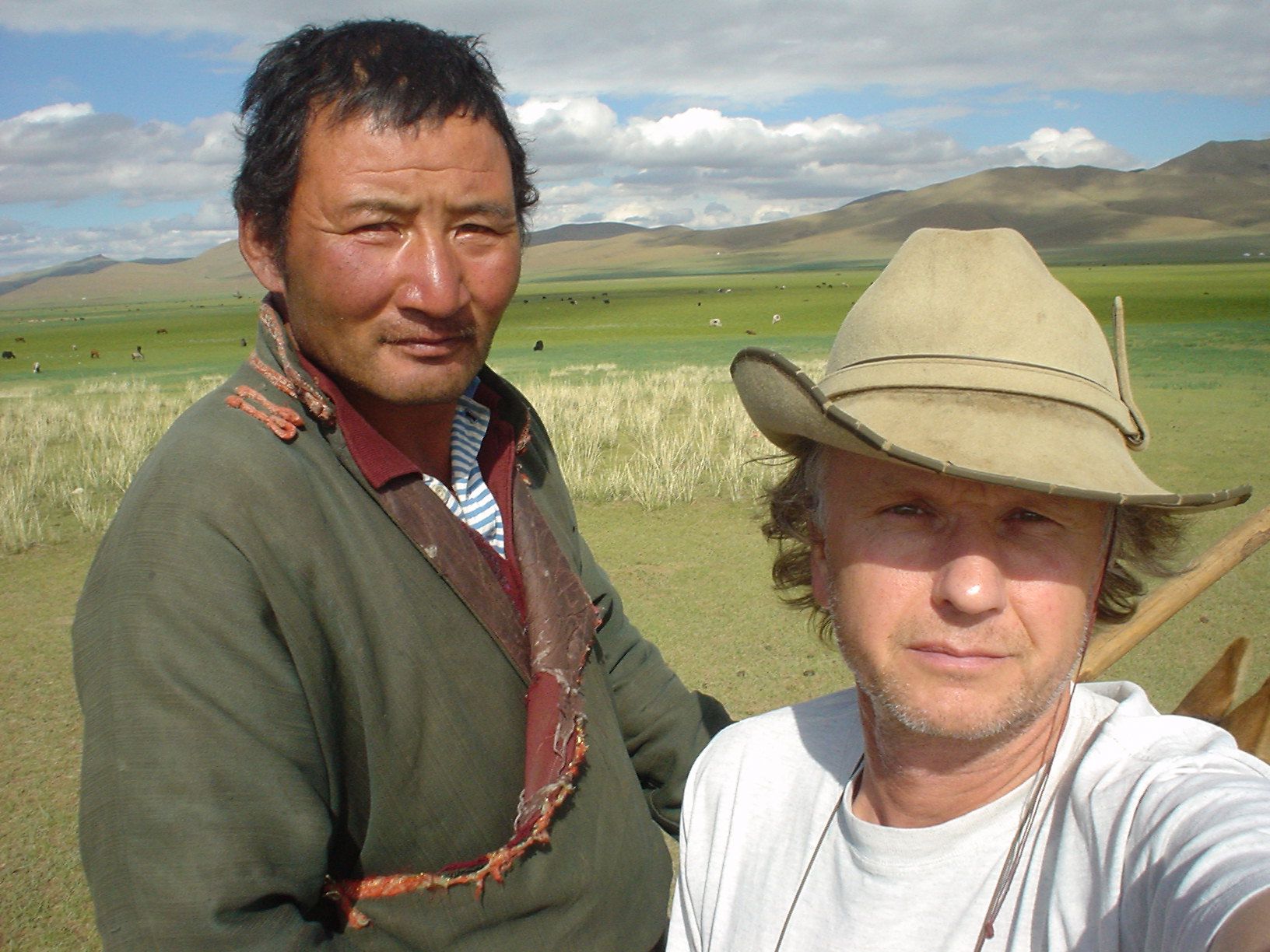
Bolivia is a very poor country, with GDP per capita of 3,100 USD (on purchasing power parity basis). However, the people look forward with a growing confidence. Also Sebastiana, which in the Andes altiplano weaves from the llama wool the beautifully designed textile for traditional Indian poncho. How different, from what we are used to, is the culture of the live at the steppe! In Mongolia, during most of the year, not a small part of the people still leads a nomadic style of life, which indeed is quite exciting and culturally reach in its own, unique way.
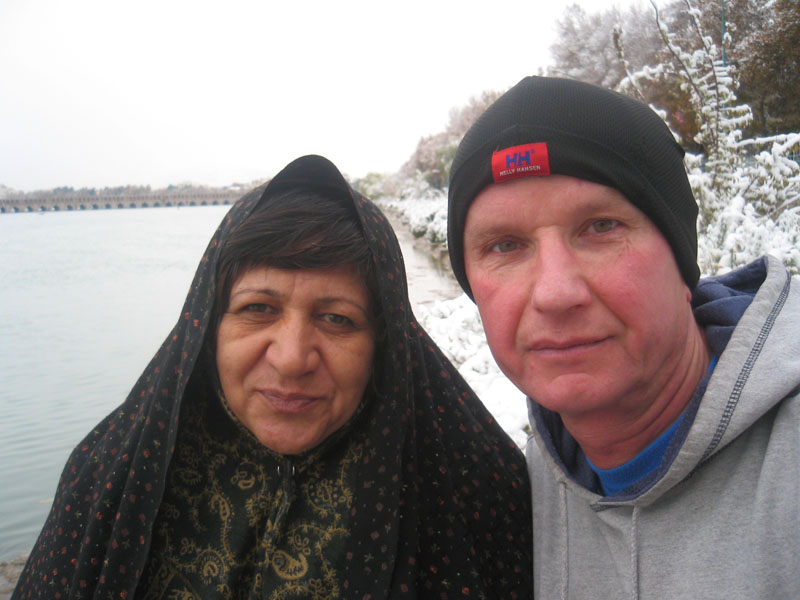
And still a different is the culture and style of live of the Shiites Muslims in Iran. Although the winter has come, Estenah looks with the usual optimism into the future...
...optimism is not absent also at the Caribbean, or at least this is how at the wandering through the paths of live looks Lucia from St. Kitts & Nevis...
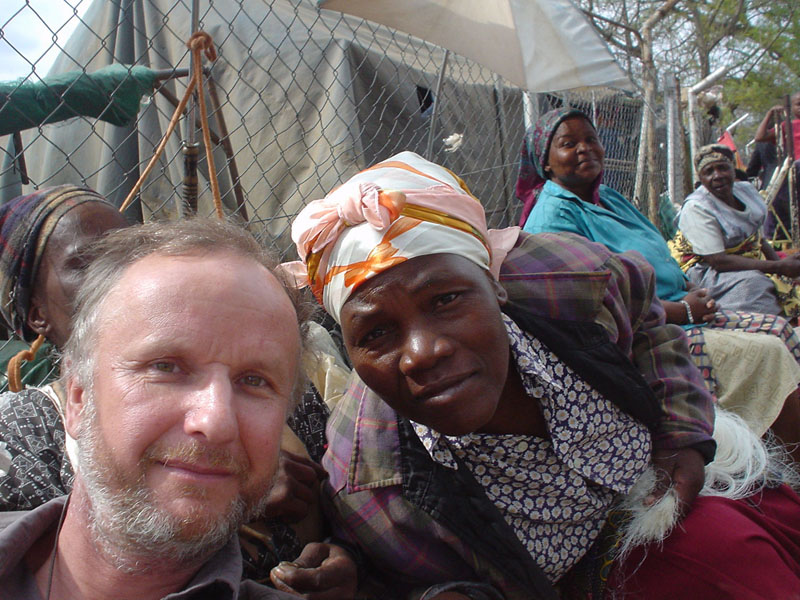
...and at the market place in Manzini, in Swaziland, the Swazi women look with a great curiosity...
...and on the wedding day with the a bride from the Miao people group in Guizhou, China...
...and, of course, at the Caribean carnvival!
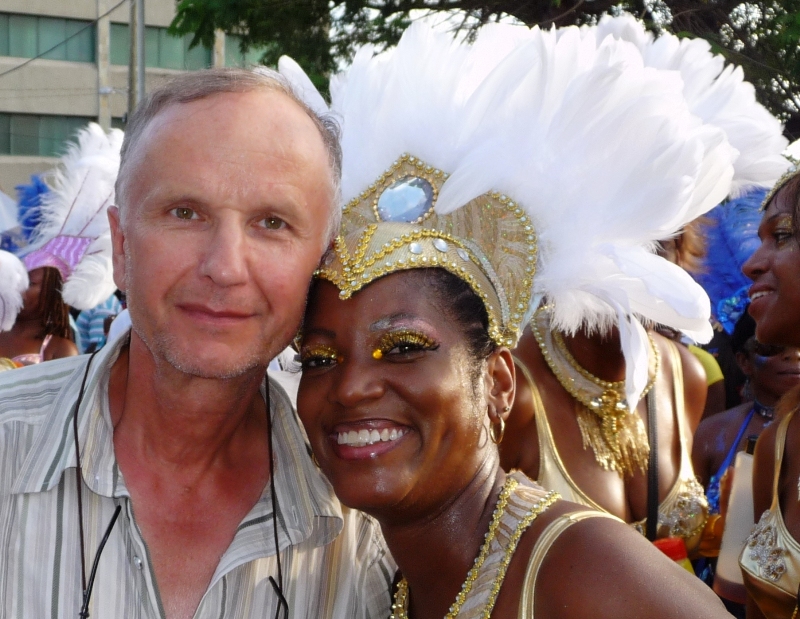
And more, with the La Vega Miss Carnival 2017.
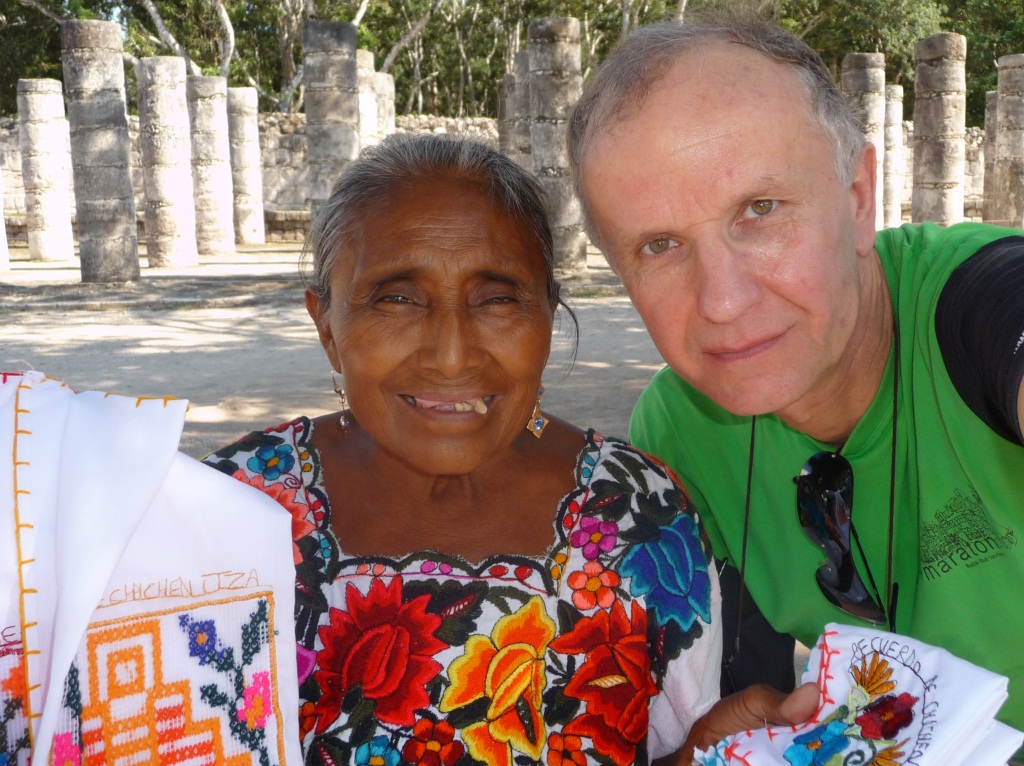
And also - yet not always - between the descendants of Maya Indians at the Mexican peninsula of Yucatan.
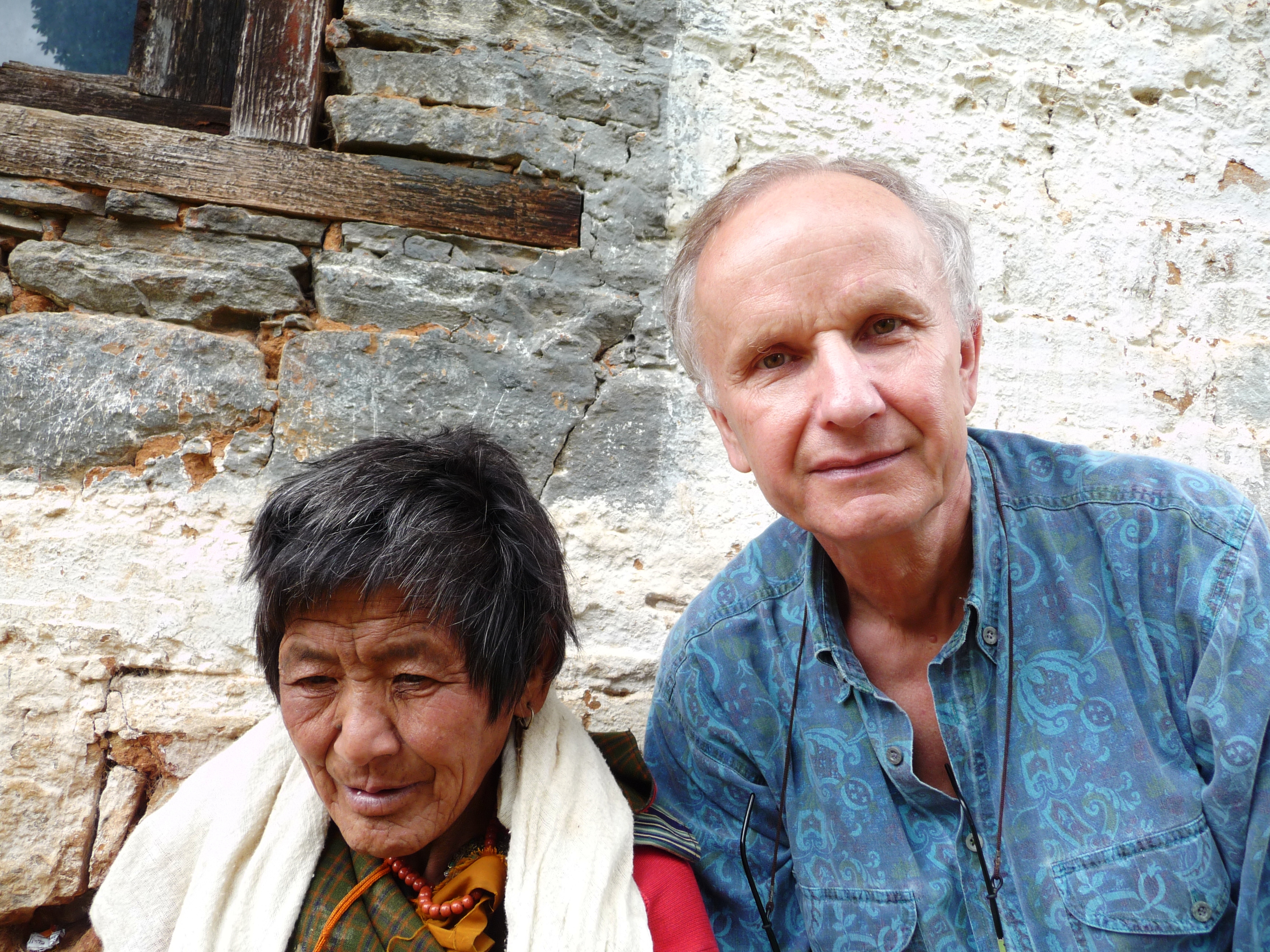
In Bhutan.
In Georgia.
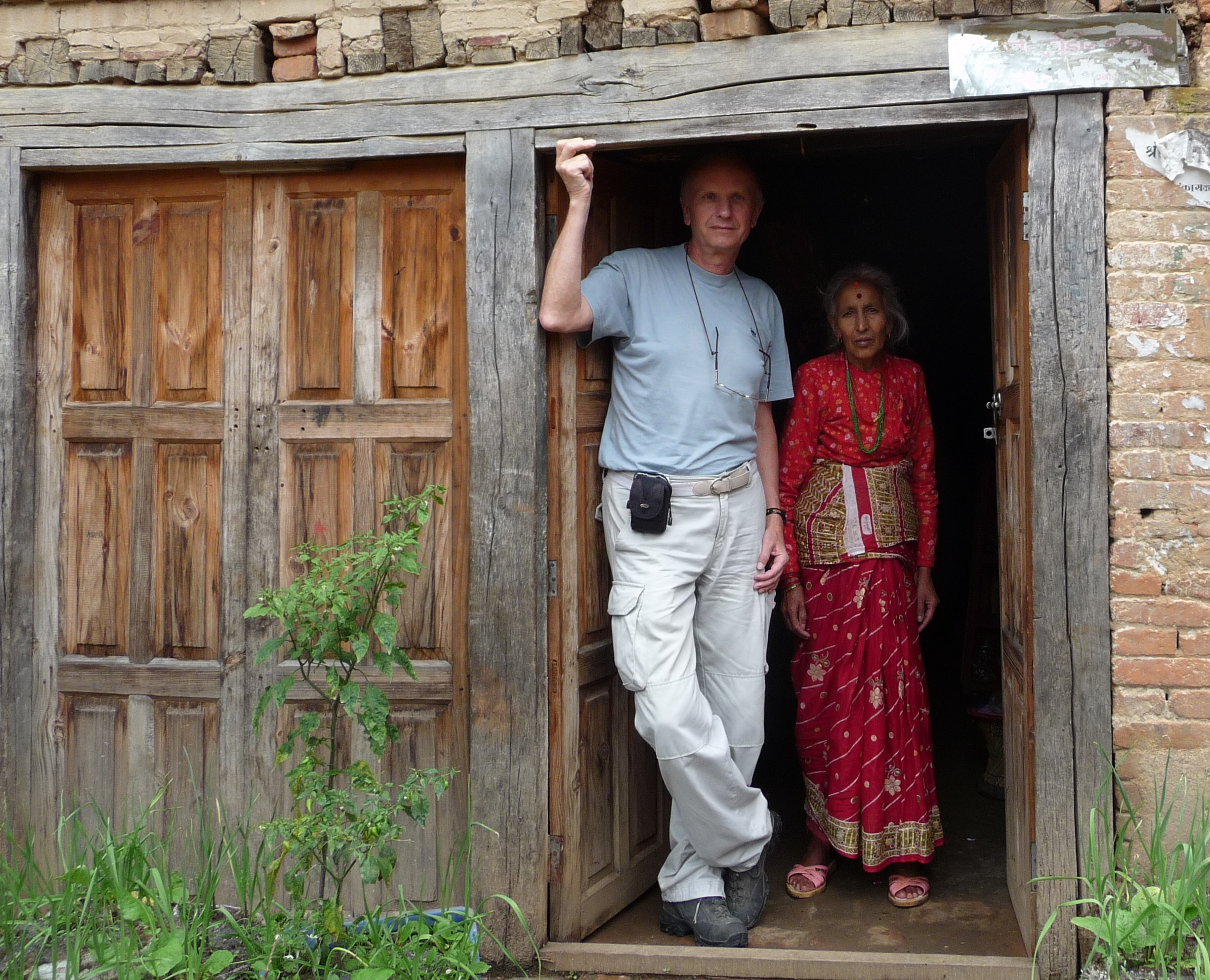
...and in Nepal.
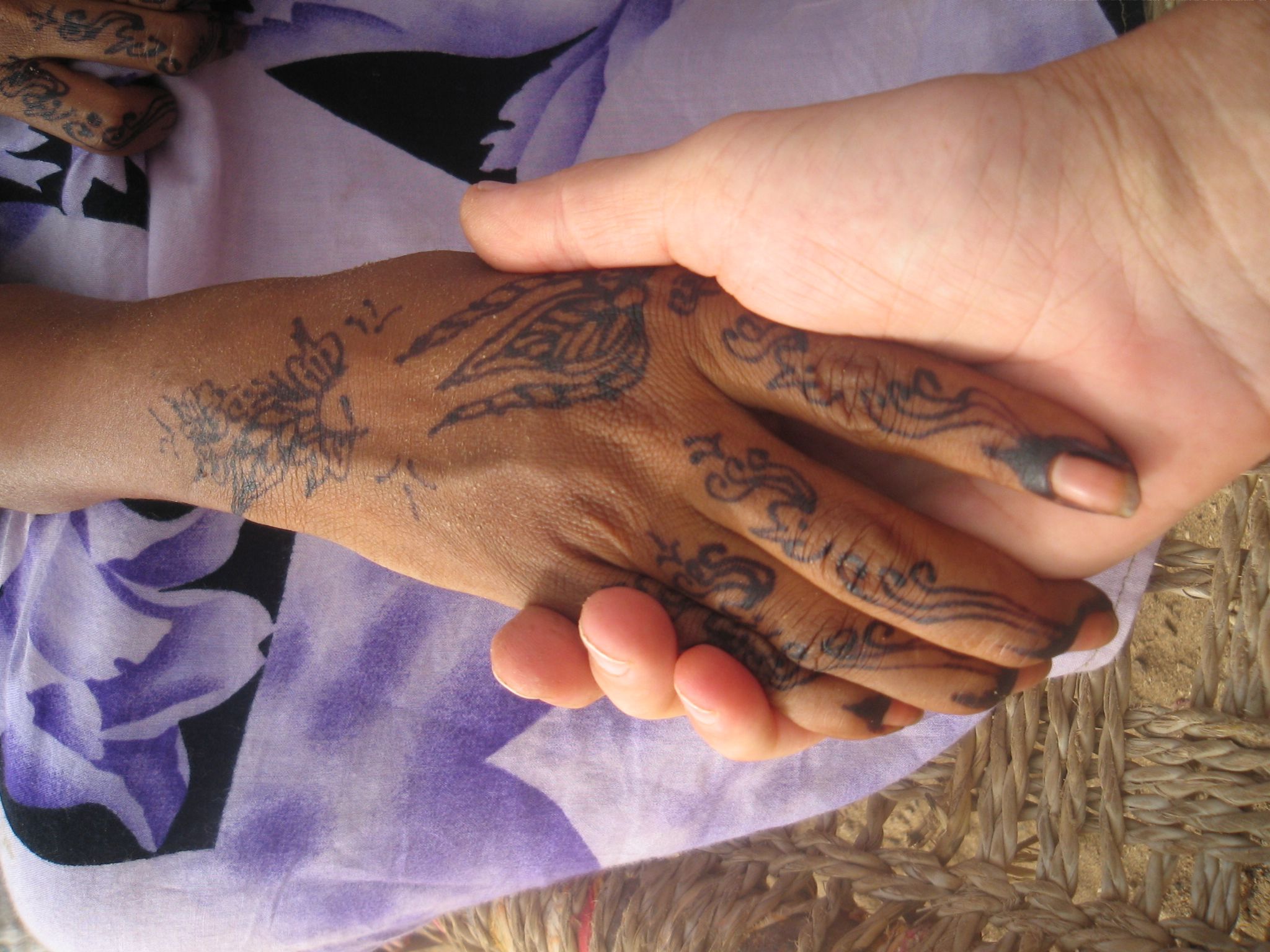
The culture has not only many faces but also many ...palms. Sometimes - as in the case of Afar women, living at the desert of Djibouti at the Horn of Africa - they are beautifully made-up.
Southern Ethiopia. The colorful people from Galeb tribe, known also as Dhasanech, living in Omorate village, enjoy to be decked with a lot of local jewelry.
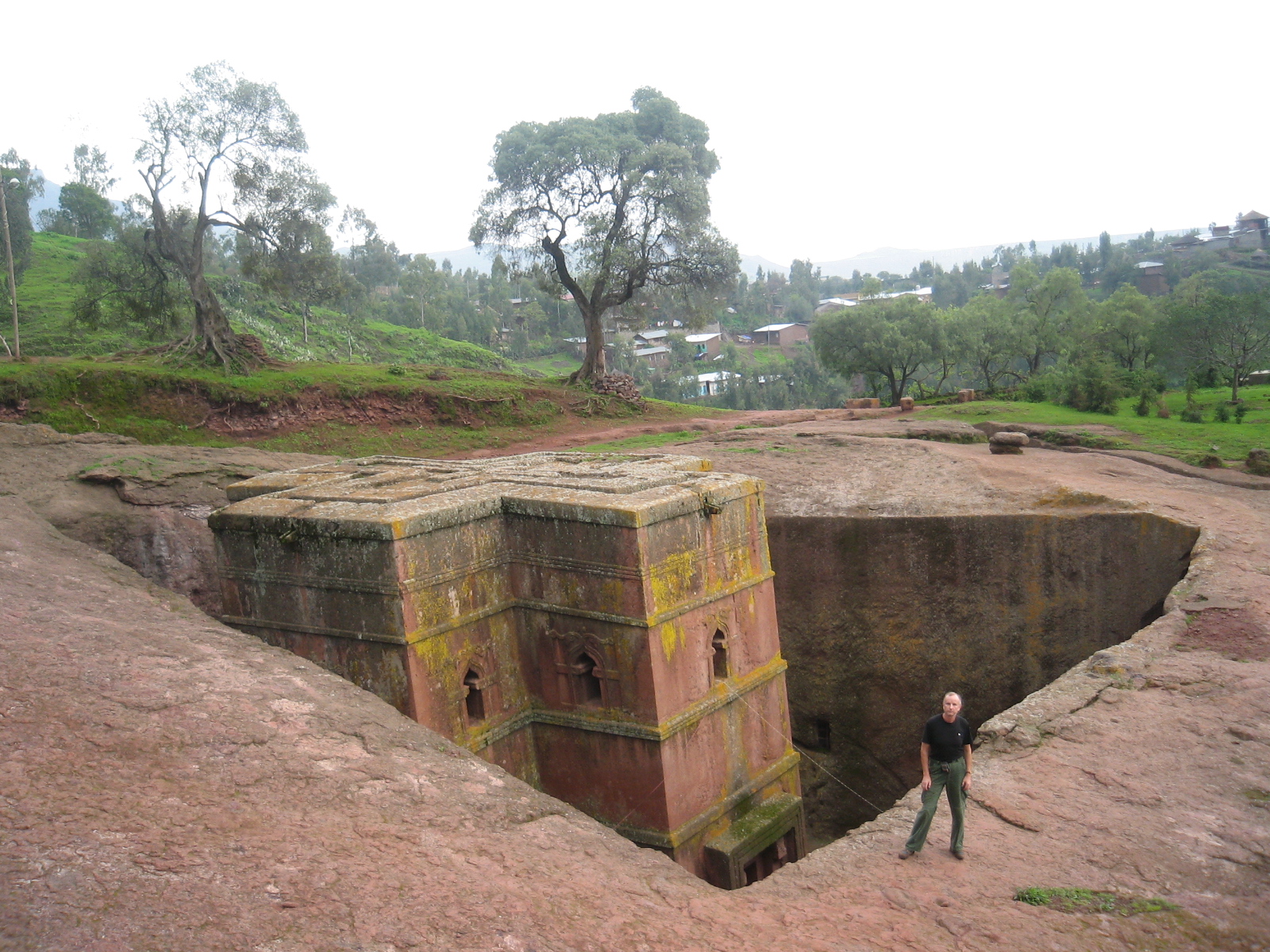
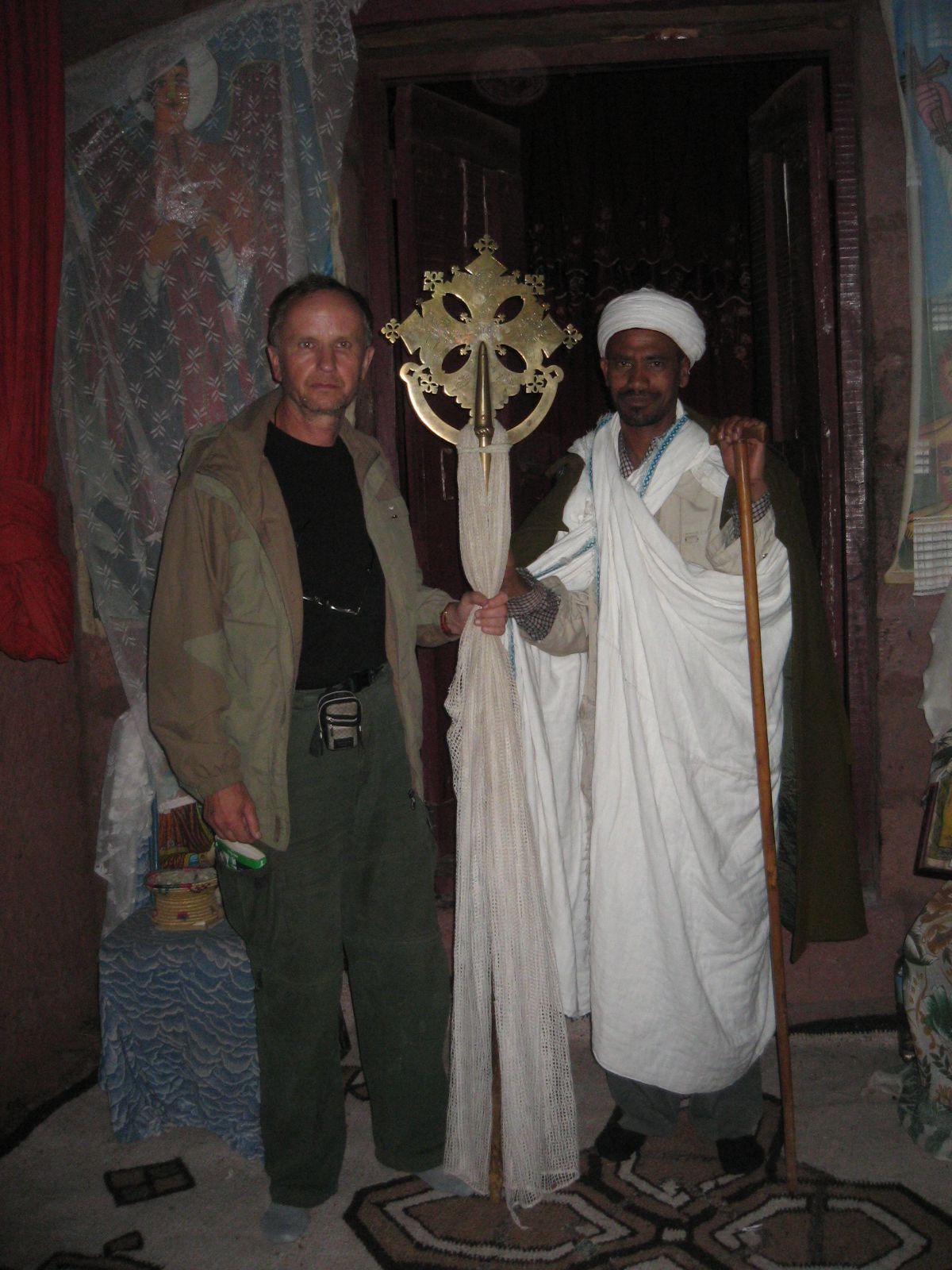
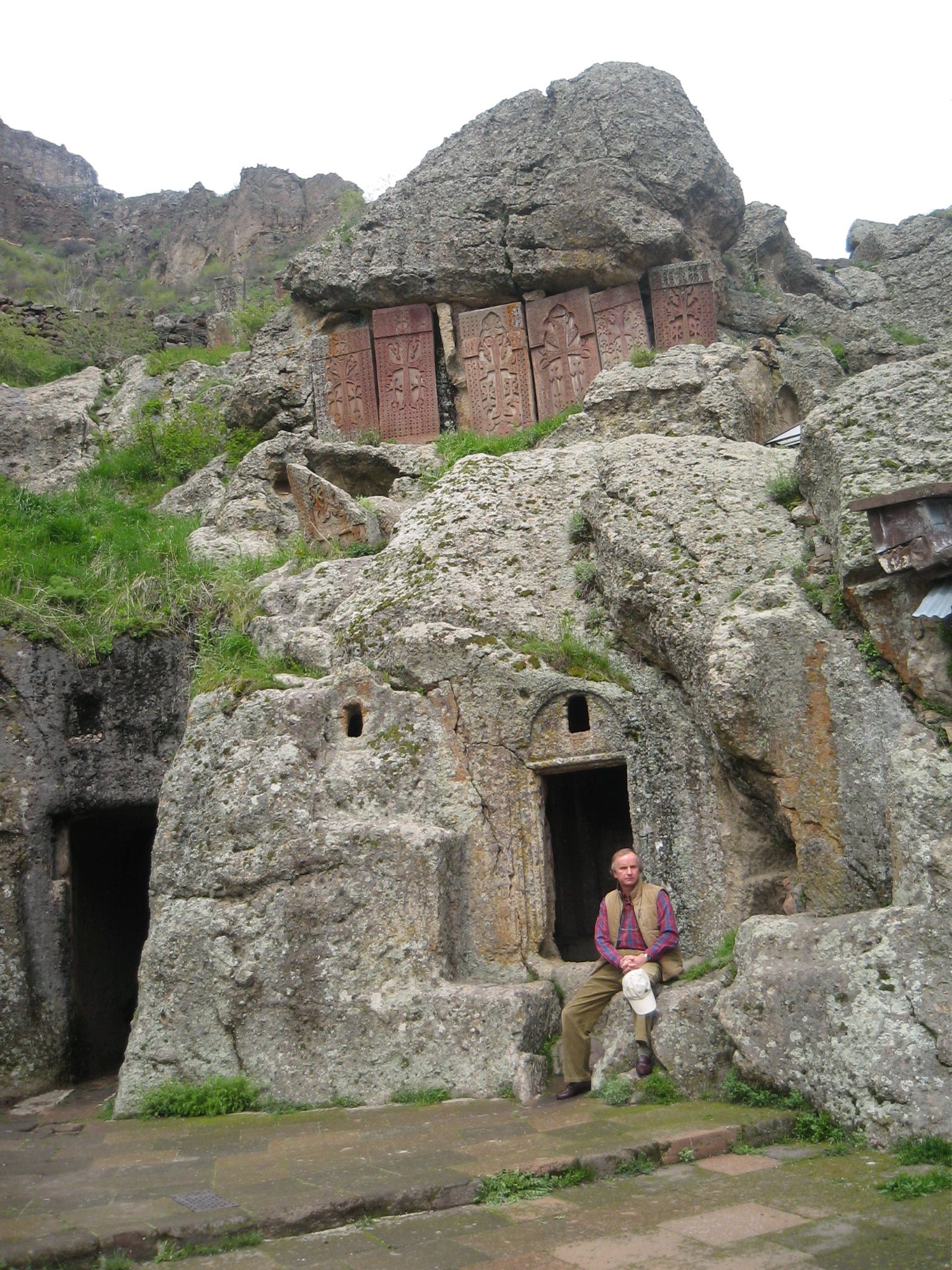
Among the Aymara Indians, in the Bolivian Andes. After the Armenian the Ethiopian Orthodox Christian Church is the oldest in the world. Christianity became the official state religion here also already in the IV century. The well-known - with the UNESCO World Heritage Site status - are the rock-hewn churches in Lalibela, of which the most famous is the church of Saint George (Bet Giyorgis). The orthodox priests, proud of their churches, are guarding the treasuries of their temples. The crosses of Lalibela are characteristics and not the same as in other places. At the Geghard monastery. In Armenia there are dozens beautiful, old churches and monasteries, of which three - Echmiadzin, Sanahin and Haghpat, and Geghard - are included on the UNESCO Culture World Heritage list. The feasts with family and
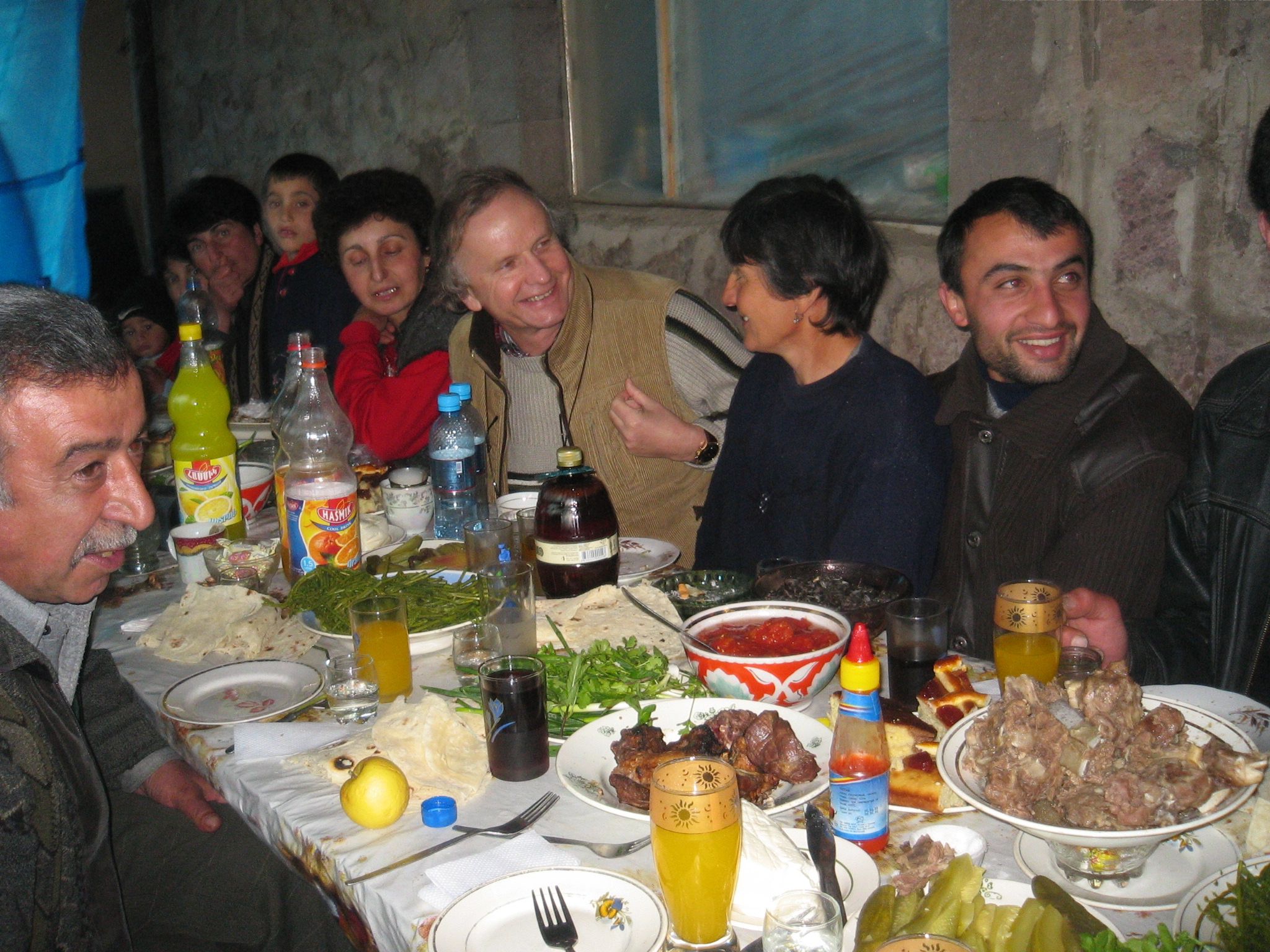
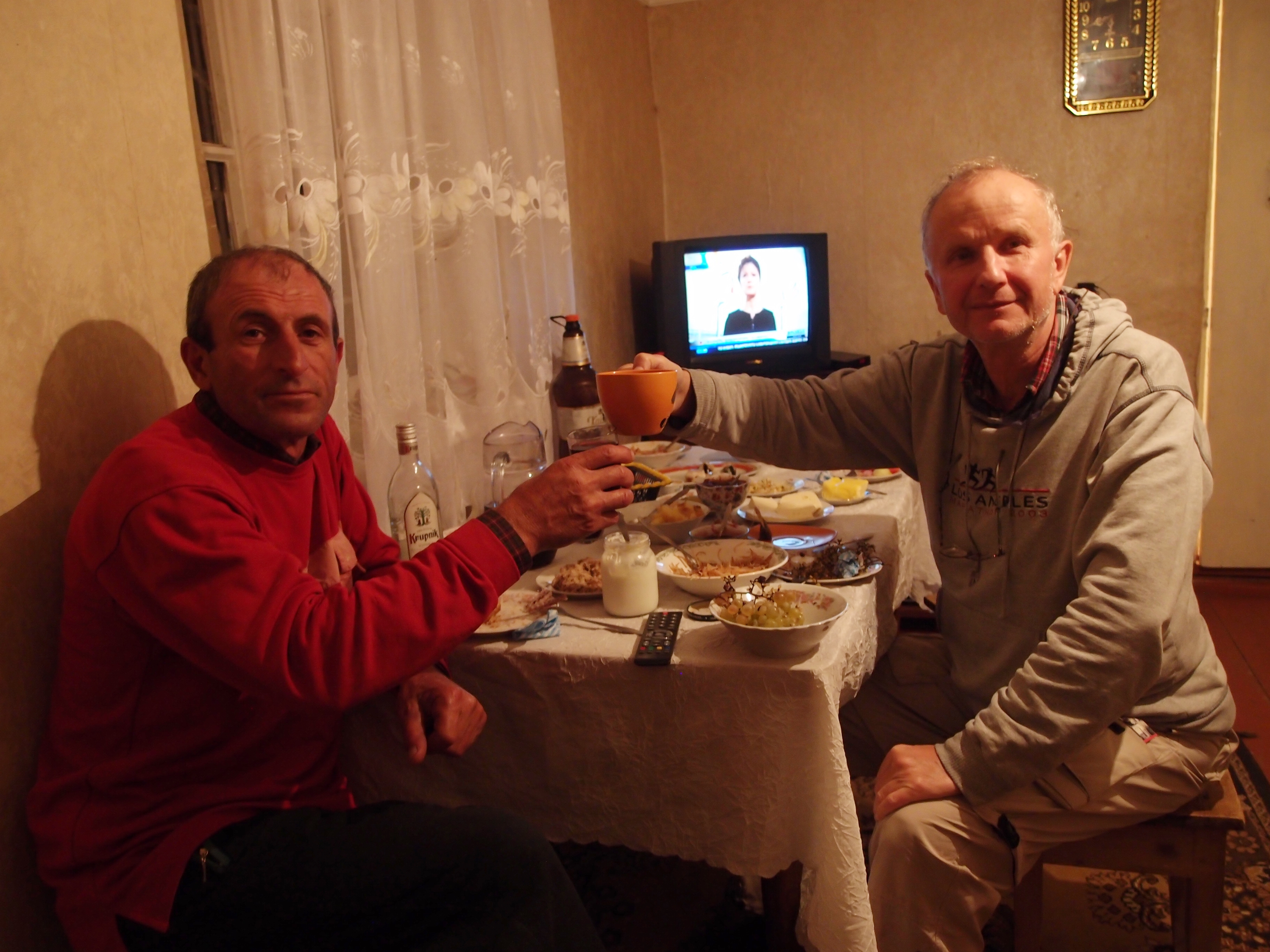
friends are deeply enrooted in the Armenian traditions and culture, Raising the toast with Georgian cha-cha and fresh milk, right from the cow :)
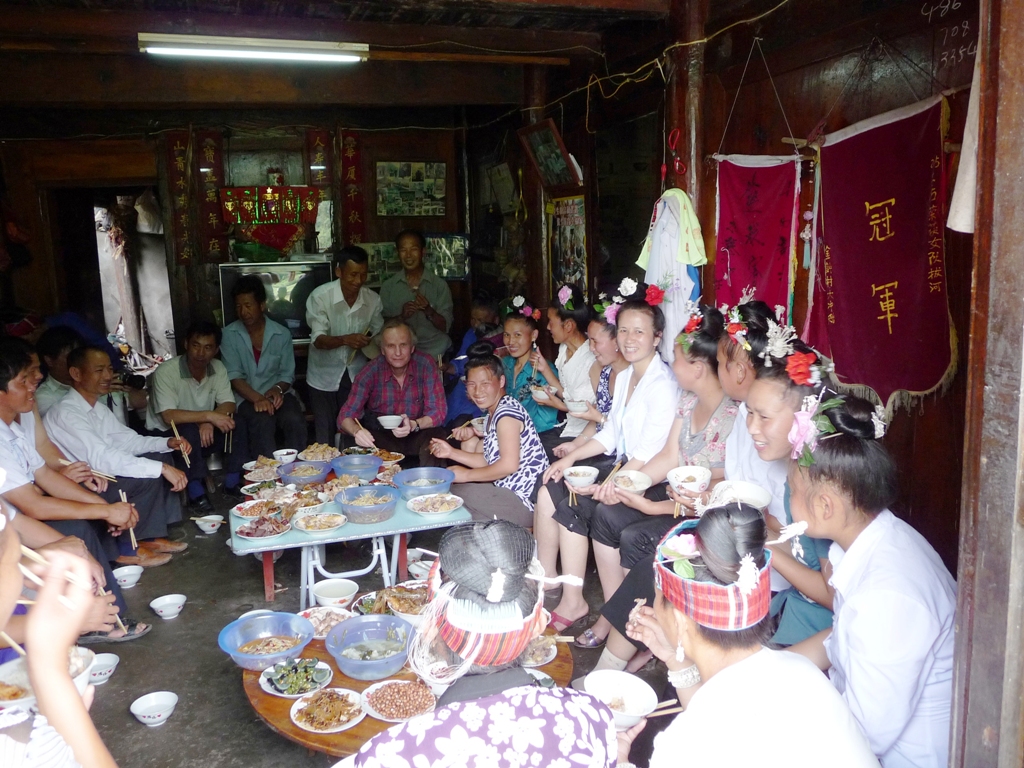
Party on the occasion of dragon festival in 300-hundred community village of Dong minority in Guizhou province, China.
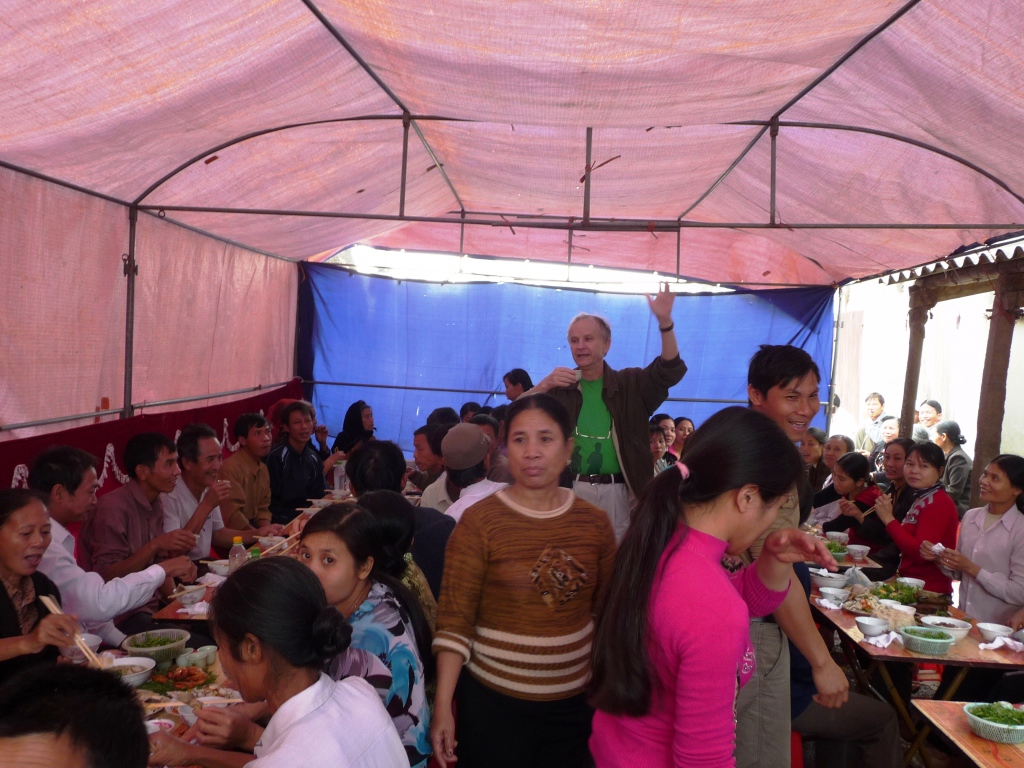
At the Vietnamese wedding party.
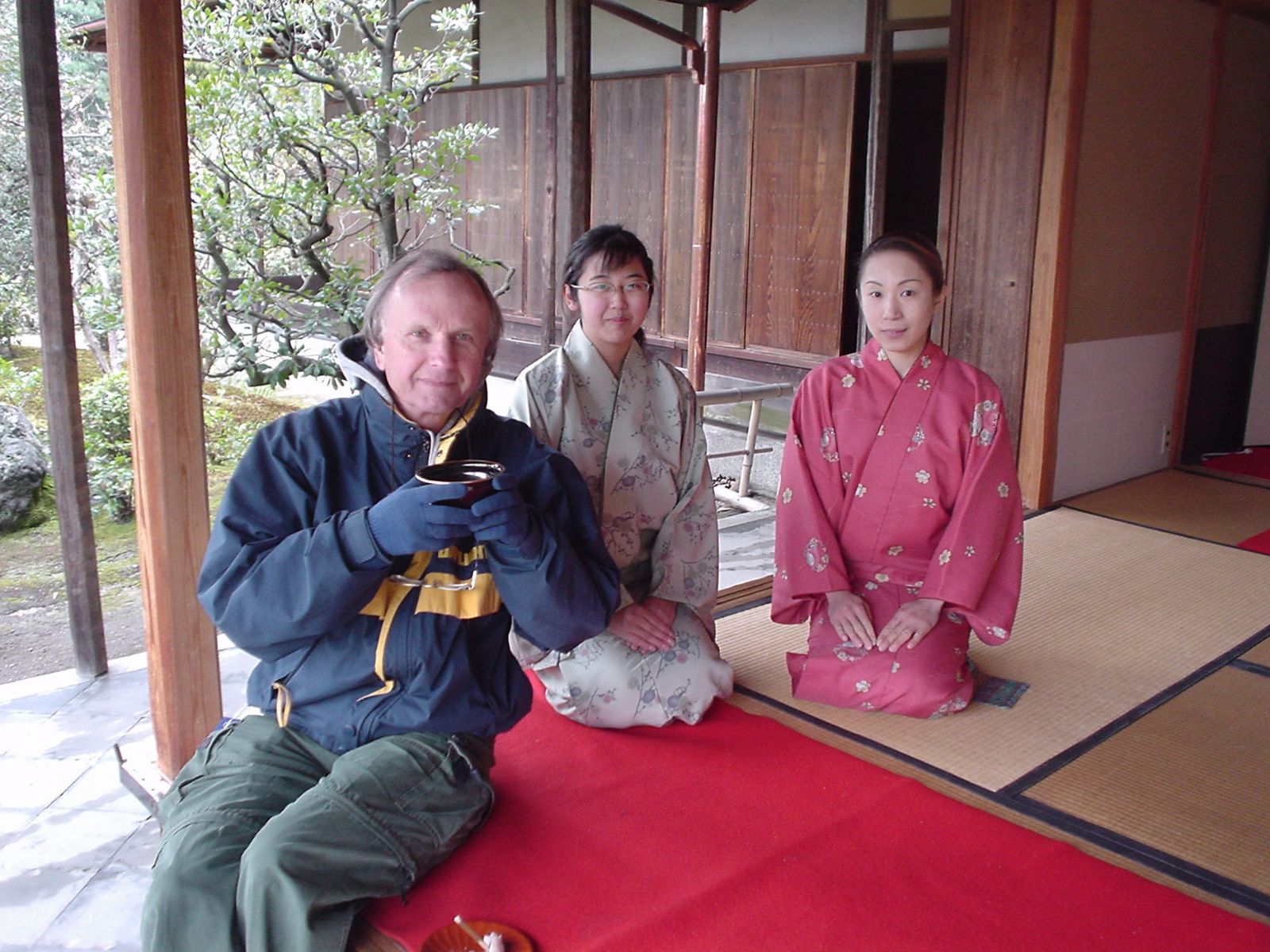
The tea drinking ceremony, at the specially designed and celebrated tea houses, since centuries takes an important part in the traditional Japanese culture.
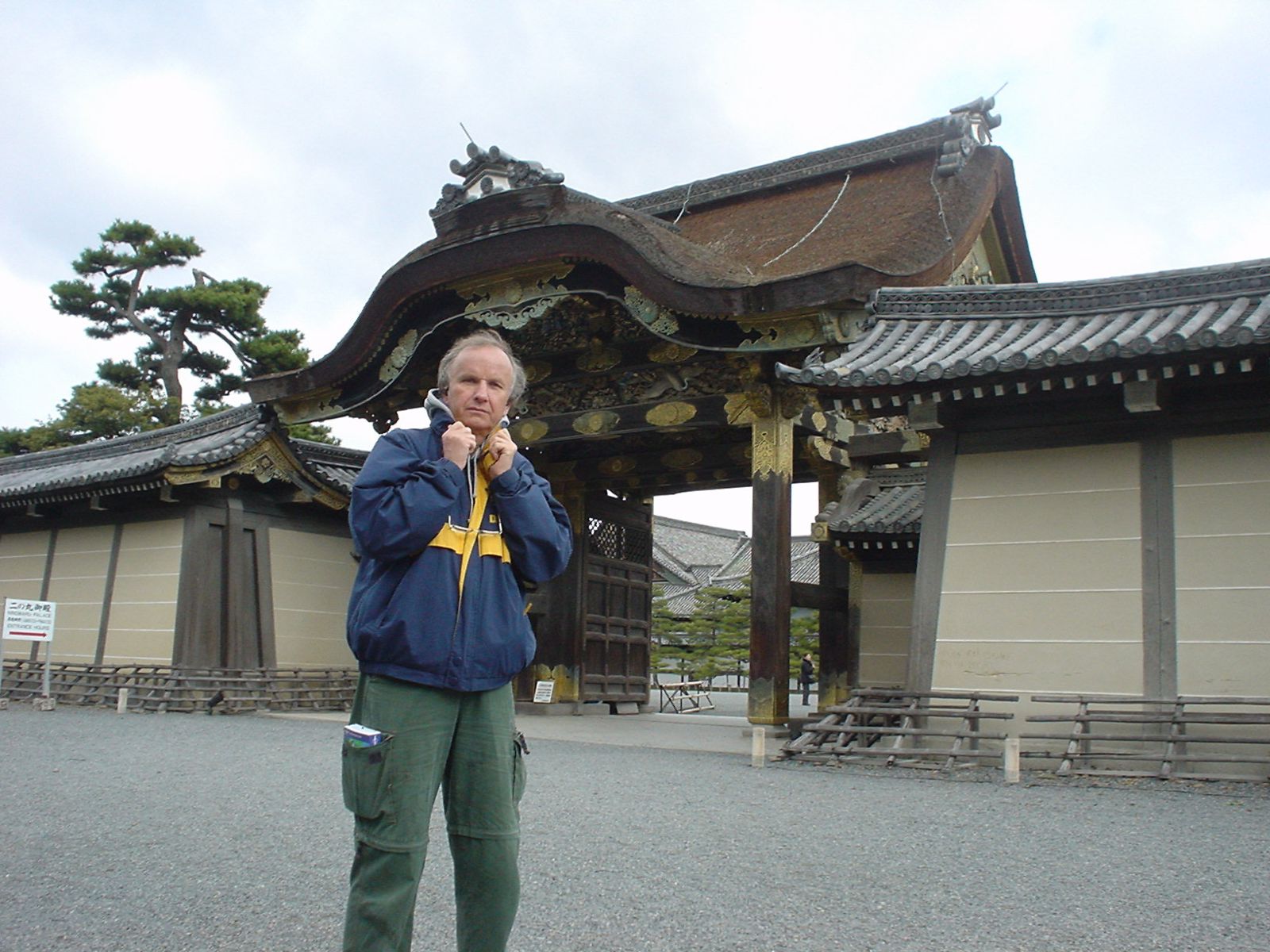
Kyoto appears to be an unusual cultural treasure. One can find here as many as 17 buildings and garden complexes, the UNESCO culture world heritage sites, including a castle, 13 Buddhist temples and 3 Shinto temples. Of utmost beauty is the castle Nijo-jo, built in 1603 as the official Kyoto residence of the first Tokugawa shogun, Ieyasu.
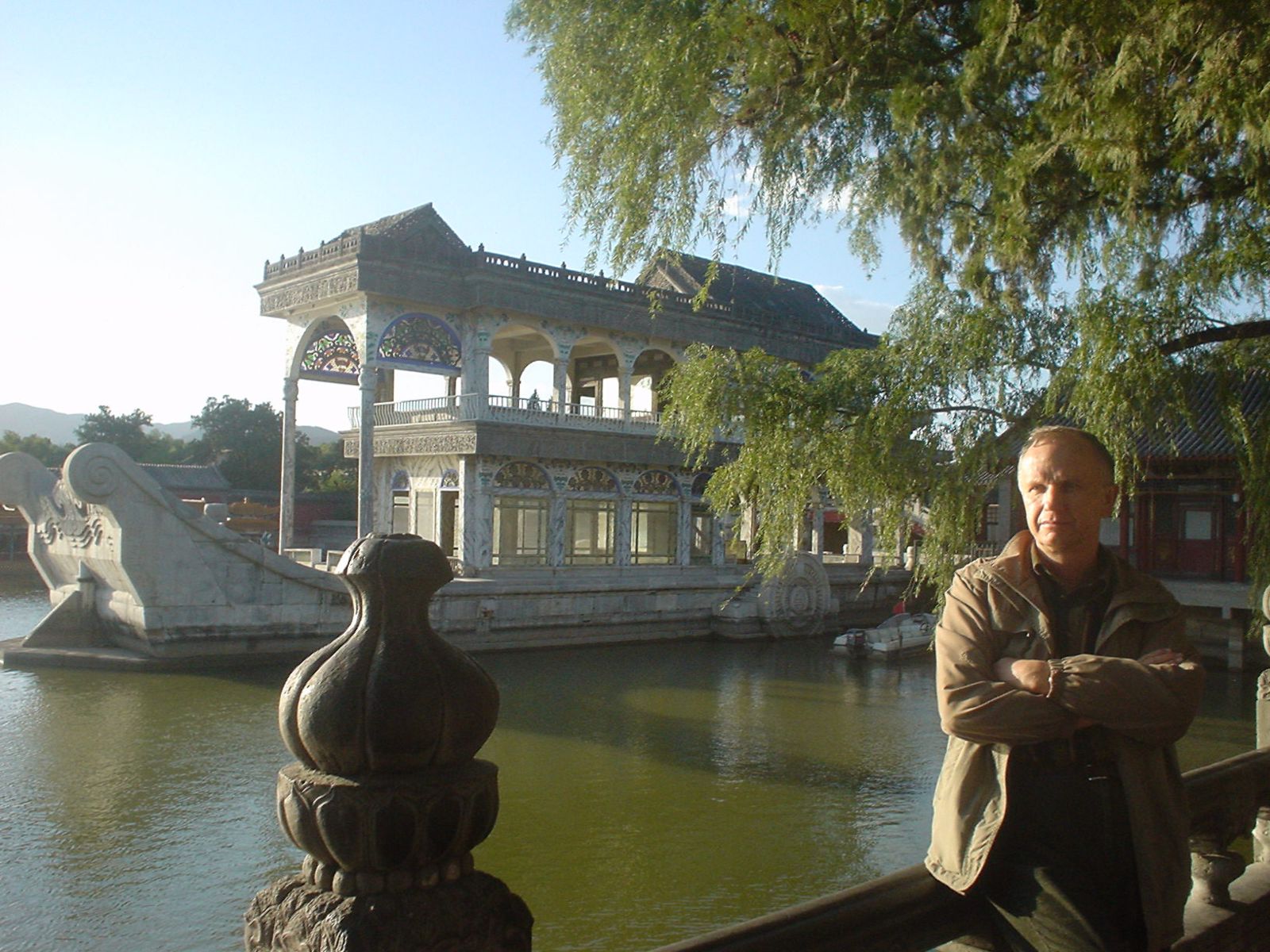
At the marble boat in the Summer Palace, an Imperial Garden in Beijing
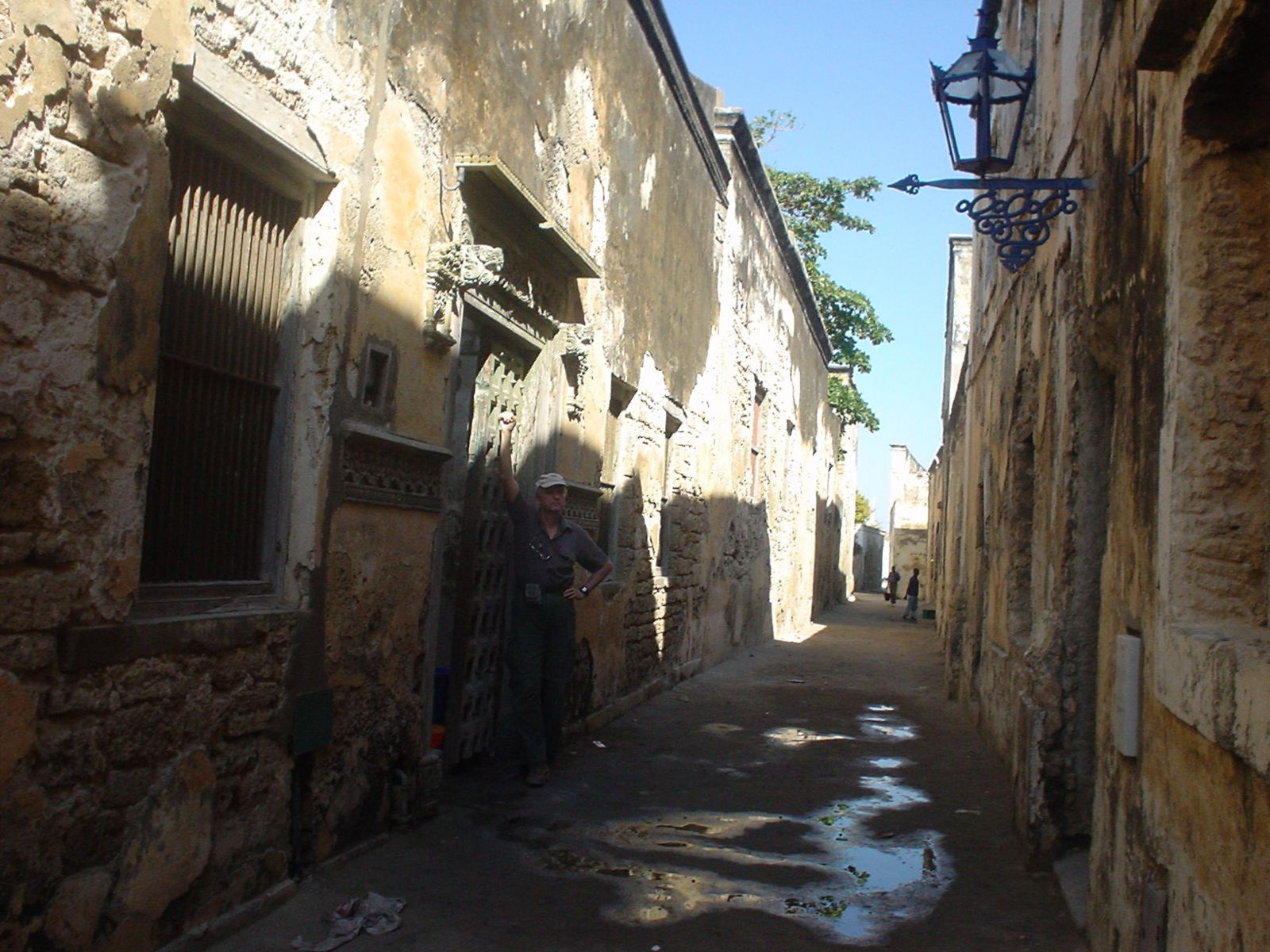
In this mansion - at Ilha de Mocambique, on the west cost of Indian Ocean - at the end of XVth century stayed the great explorer, Vasco da Gama. Despite the fact that the whole island has been declared the UNESCO World Culture Heritage, most of gorgeous colonial era buildings are in a miserable state.
There are still some controversies who had constructed the impressive medieval city of Great Zimbabwe, the largest man-made structure in sub-Saharan Africa. For a good reason, the UNESCO has included this site on its World Culture Heritage list.
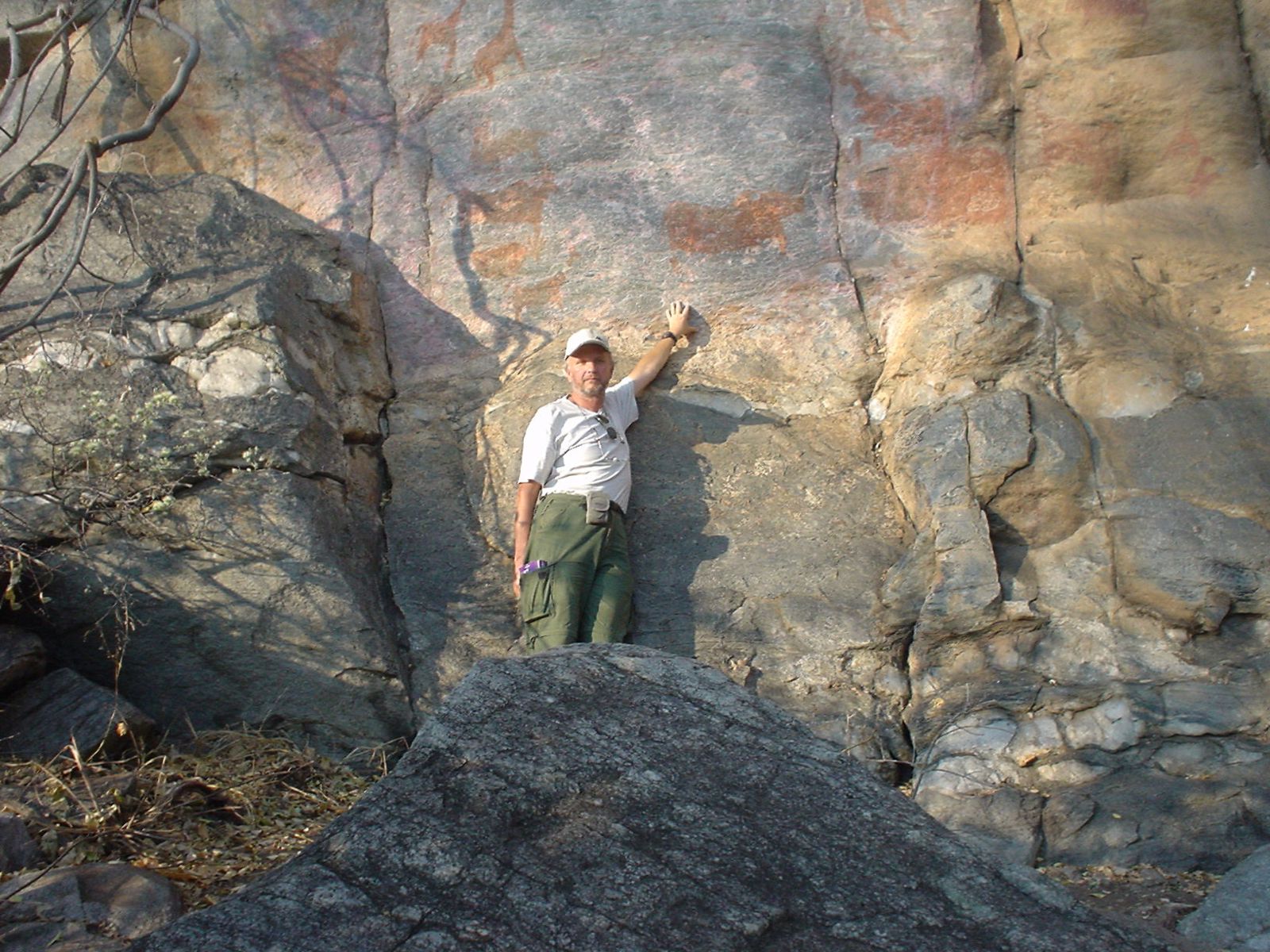
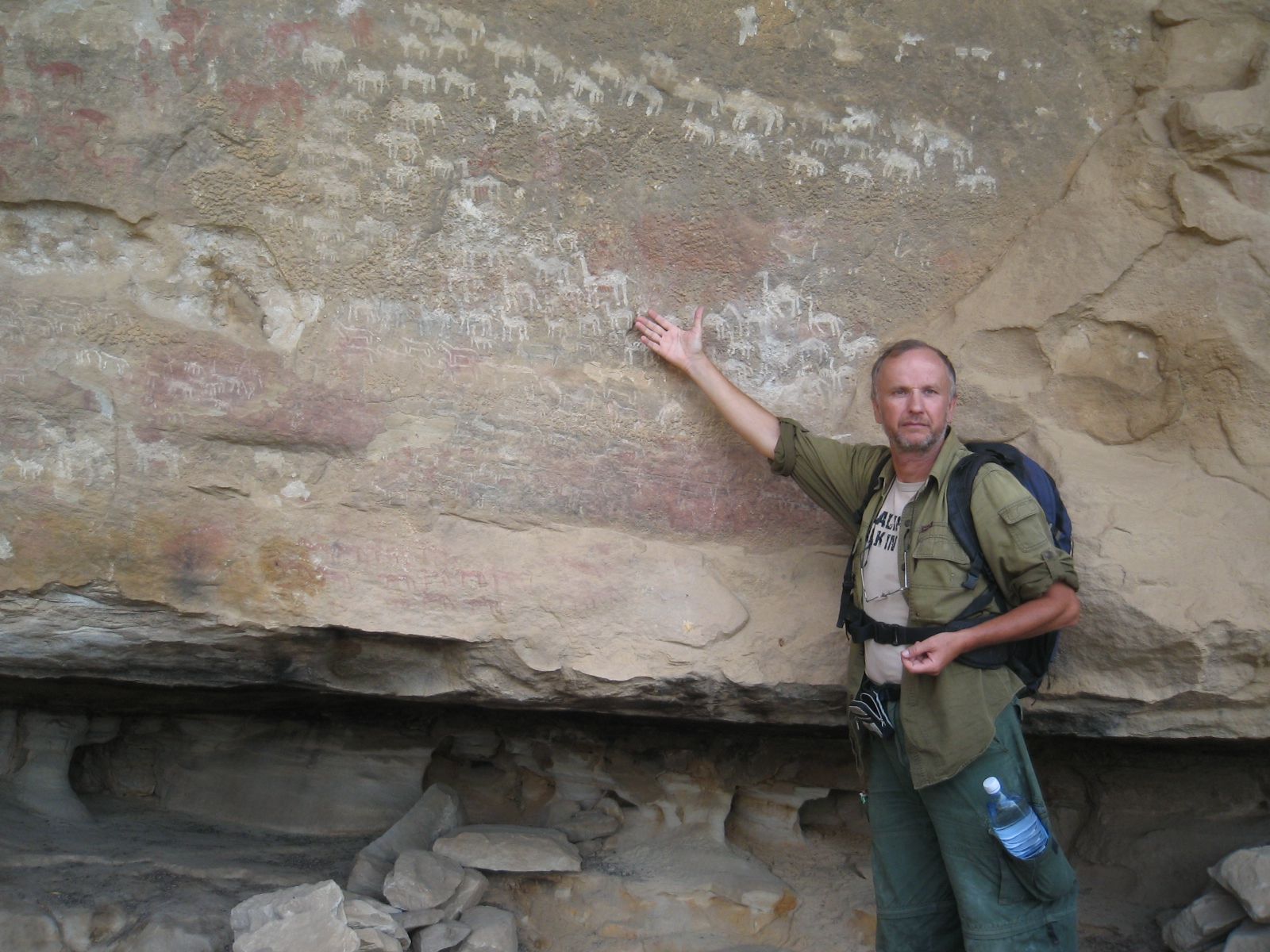
Tsodilo Hills, on the Kalahari desert at the north-west corner of Botswana, close to the Namibia border, sometimes are referred to as the "Wilderness Louvre". One can admire here over 2,700 rock paintings which have been drawn several thousands years ago by the San people, known earlier also as the Bushmen. Also very old, dating from approximately 4000 BC to 5000 BC, are the rock paintings from Adi Alauti the cave in beautiful canyon near Qohaito in Eritrea.
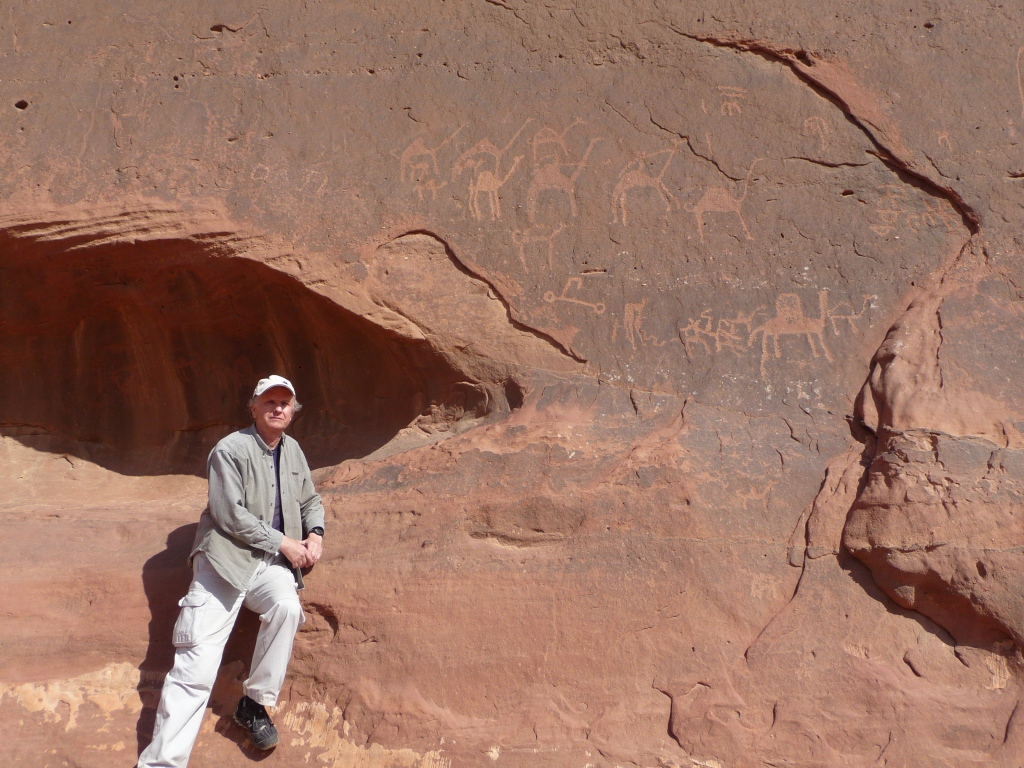
The rock paintings at the Jordan desert Wadi Rum have several thousand years. Nobody knows exactly how old they are but it is believed that they can be as old as 4,000 years...
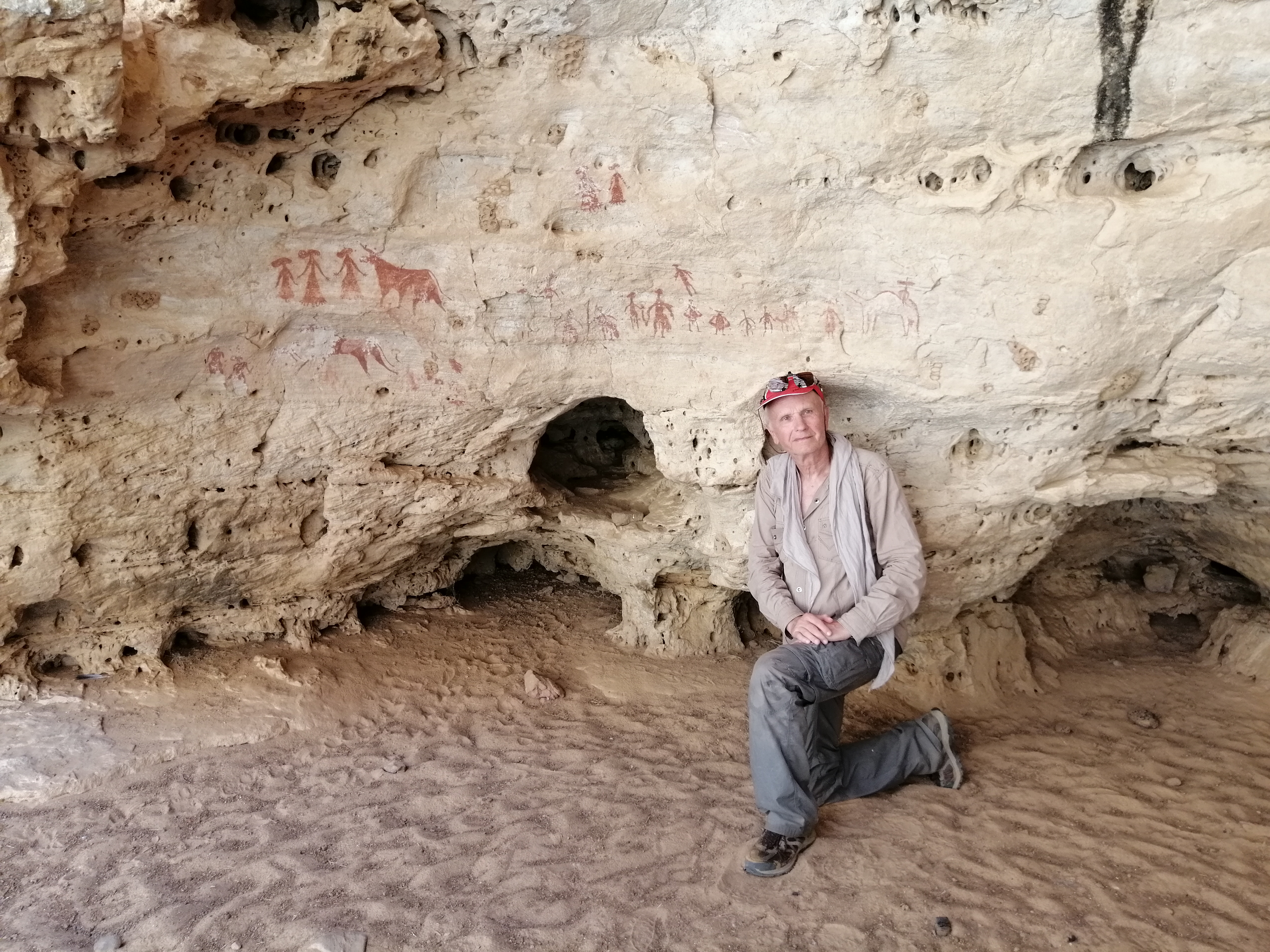
Chad. Beautiful rock drawings, about 5,000 years old in Ennedi UNESCO World Natural and Cultural Site https://whc.unesco.org/en/list/1475
Dominicana. Pre-Columbian pictographs on the Taino Indians in the Cueva de las Maravillas.
Georgia. Frescos from 11th-13th centuries in the monastery Davit Gareja on the border with Azerbaijan.
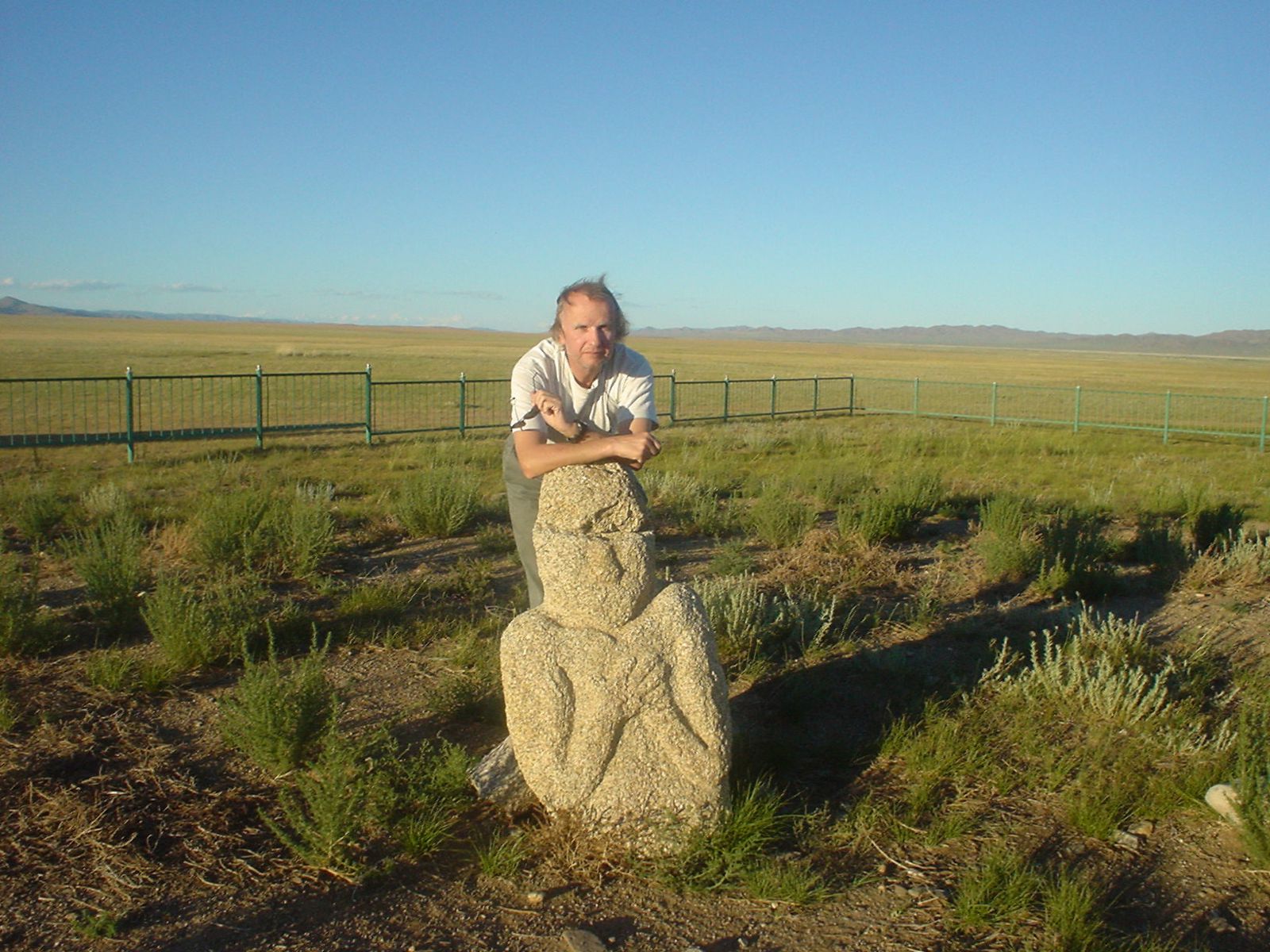
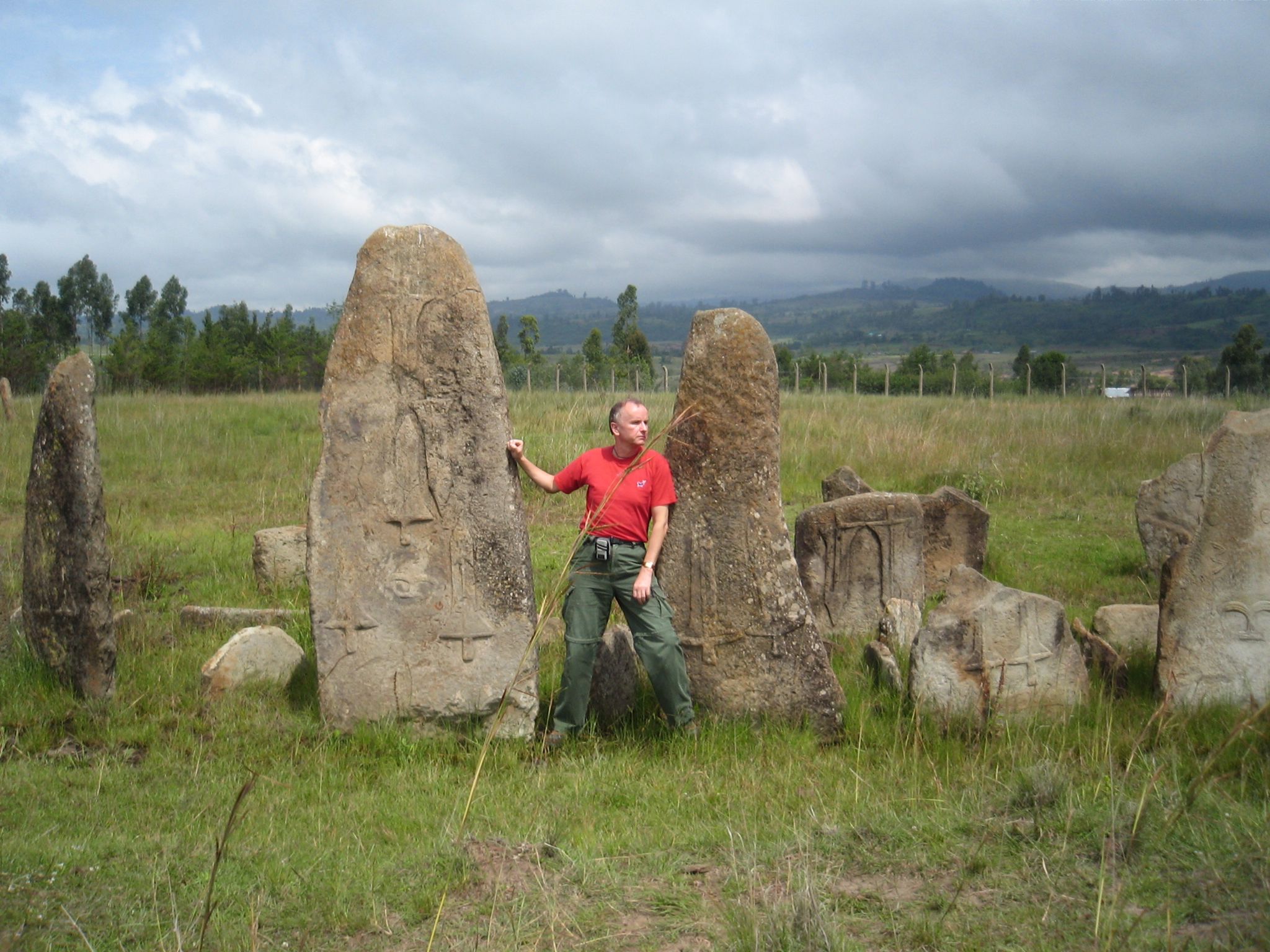
In Orkhon Valley and in the region of former capital of the great Mongol Empire, Karakorum, one can still find magnificent works of ancient civilizations. This stone figure, from the culture of Uighur, has been created in the VI century. From the later period, probably from the XIIth century, are the stones, believed to be the stelae marking the graves, in Tiya, in Ethiopia. The site contains about 40 mysterious ancient stelae, of which most are engraved with the sword.
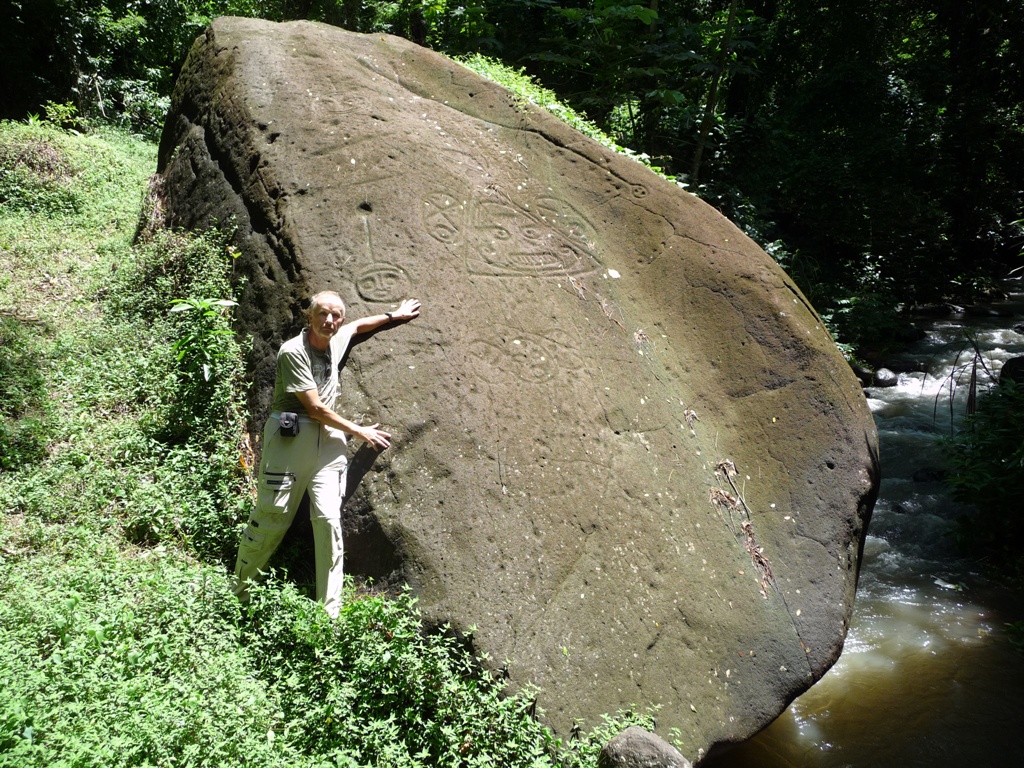
At the Caribbean islands there is quite a few such places, as this one on the western coast of the largest islands of St. Vincent and the Grenadines, where one can admire the rock carvings from the pre-Columbian time.
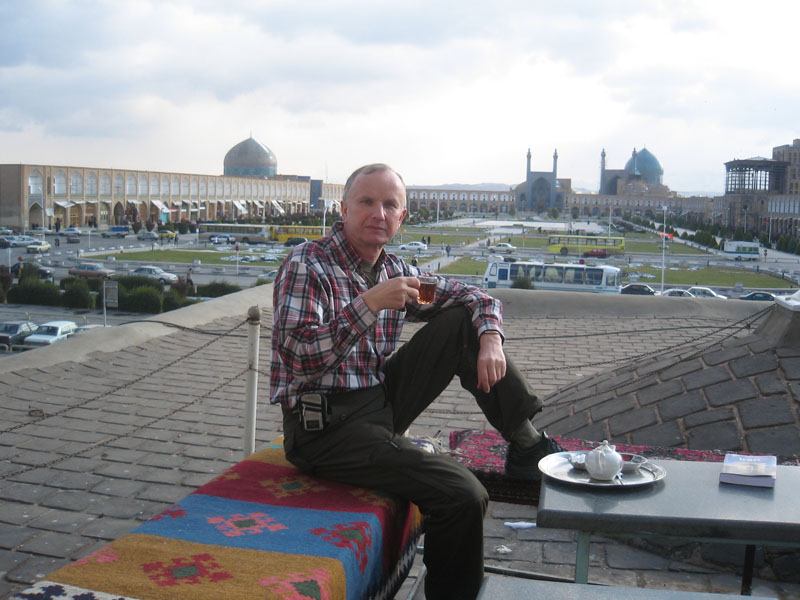
Meydan-e Imam is not only one of the largest squares in the world (only second to the Beijing Tiananmen), but one of the most beautiful. On the left Sheikh Lofollah Mosque, on the right Ali Qapu Palace, and at the far end a gem of a Safavid-era architecture, one of the most magnificent shrines all over the world, the famous Imam Mosque (Majed-e Imam).
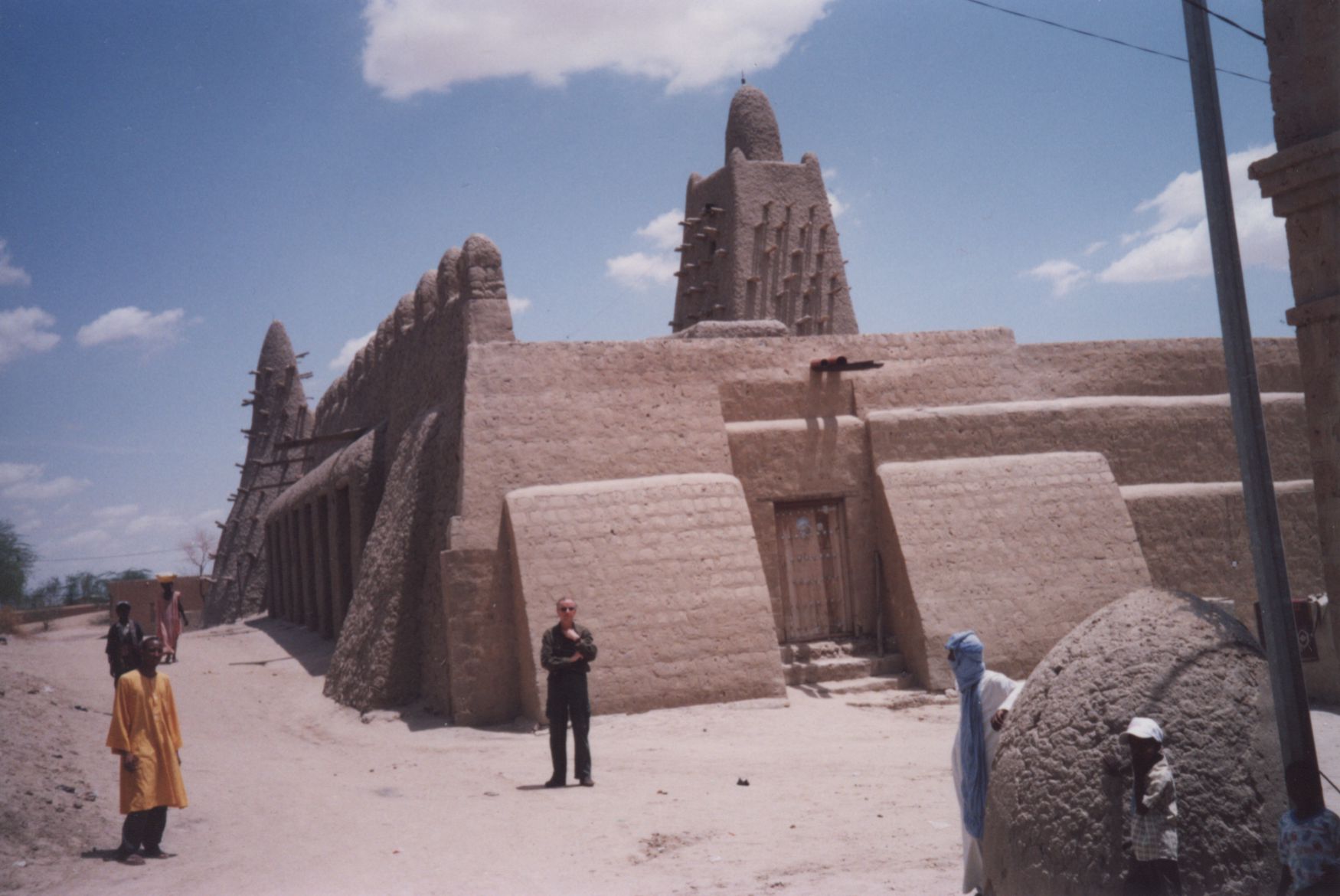
Famous mosque in Djenne, Mali, world's largest building made of clay. The entire old town of Djenne is protected as the UNESCO World Cultural Heritage site...
...and so is the case of Timbuktu...
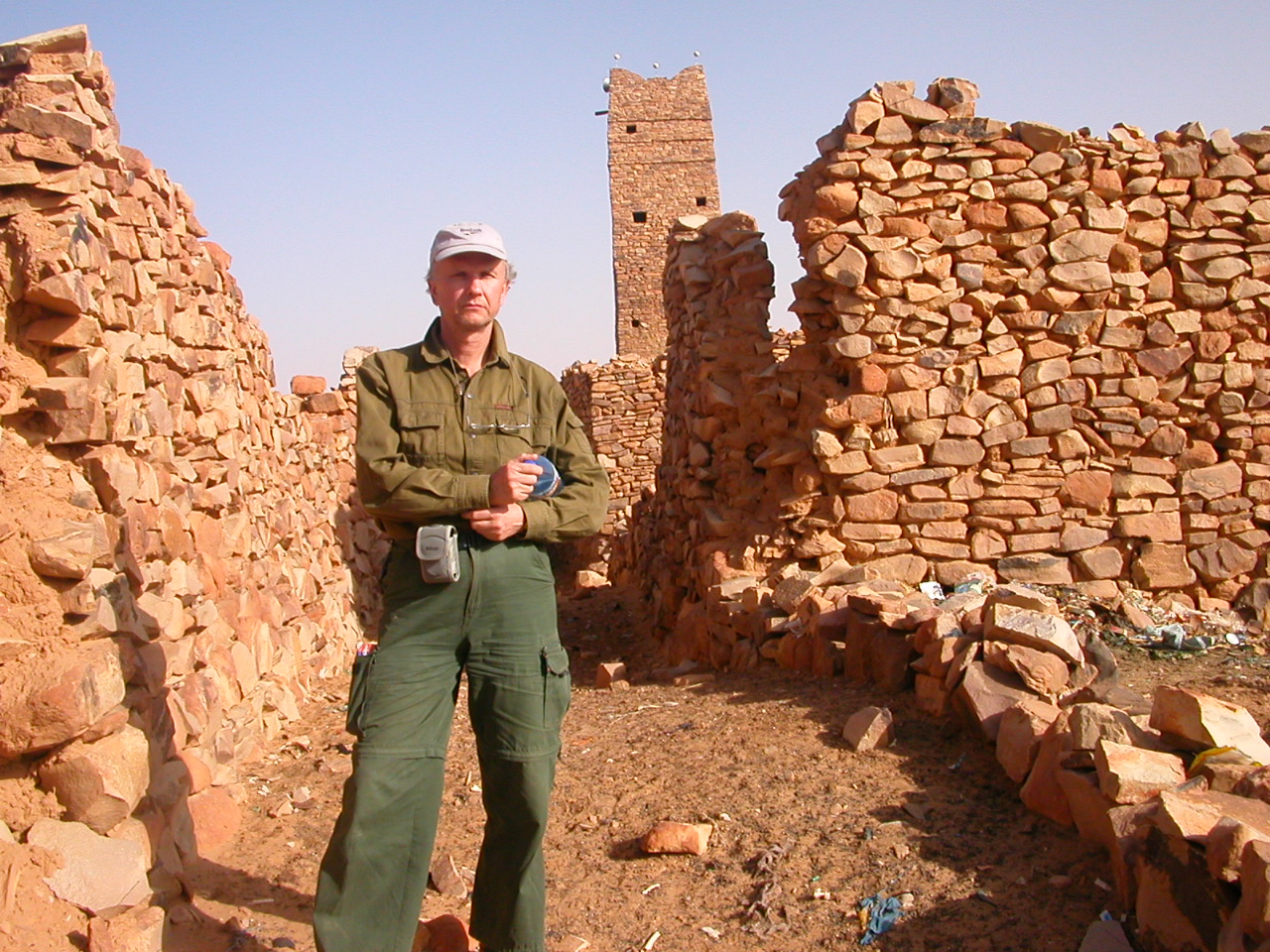
...as well as the Sahara ancient cities, or Ksour, in Mauretania: Oudane...
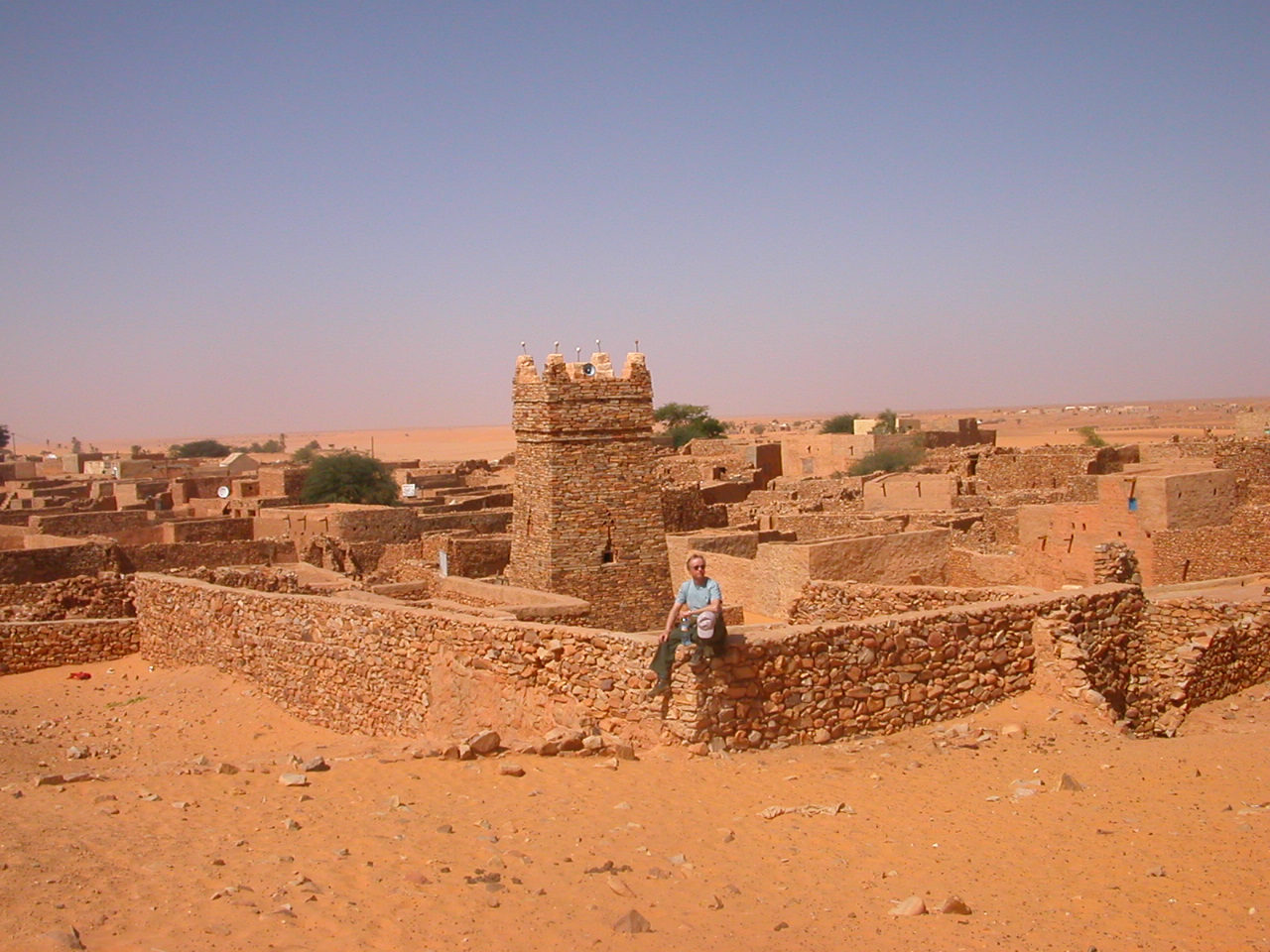
...and Chinquetti.
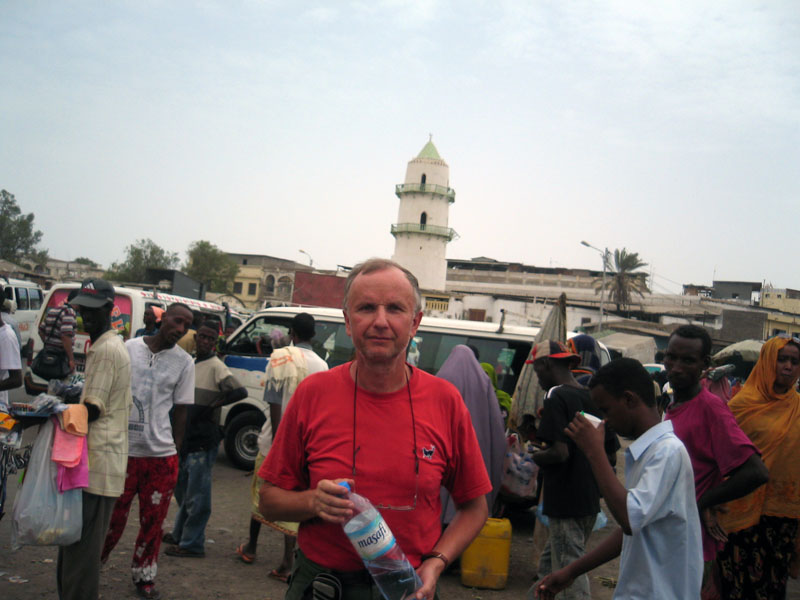
At the Djibouti market. At the background the historical Grand Mosque.
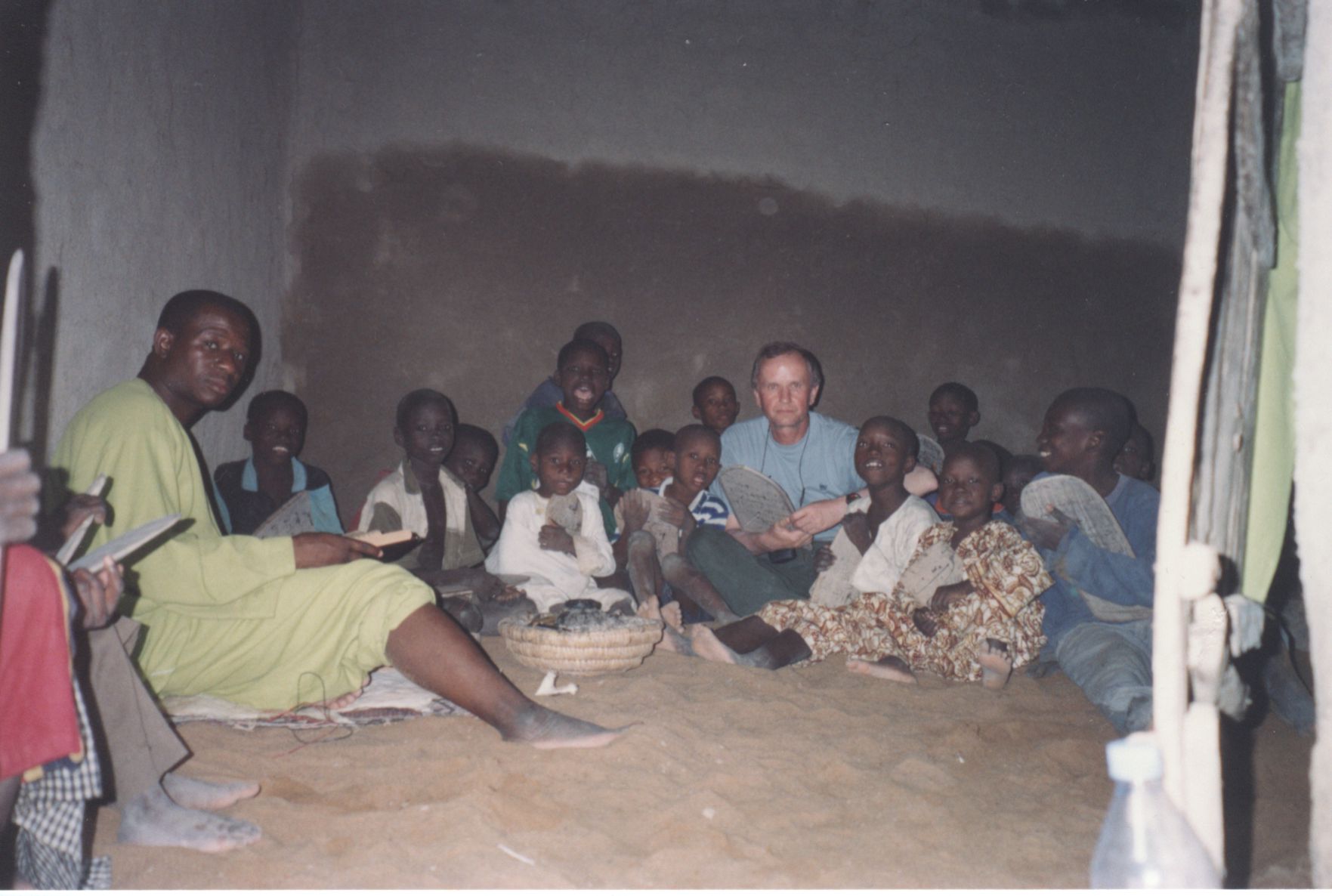
In Islamic schools, writing down the verses of Qur'an is also a way to learn how to read and write
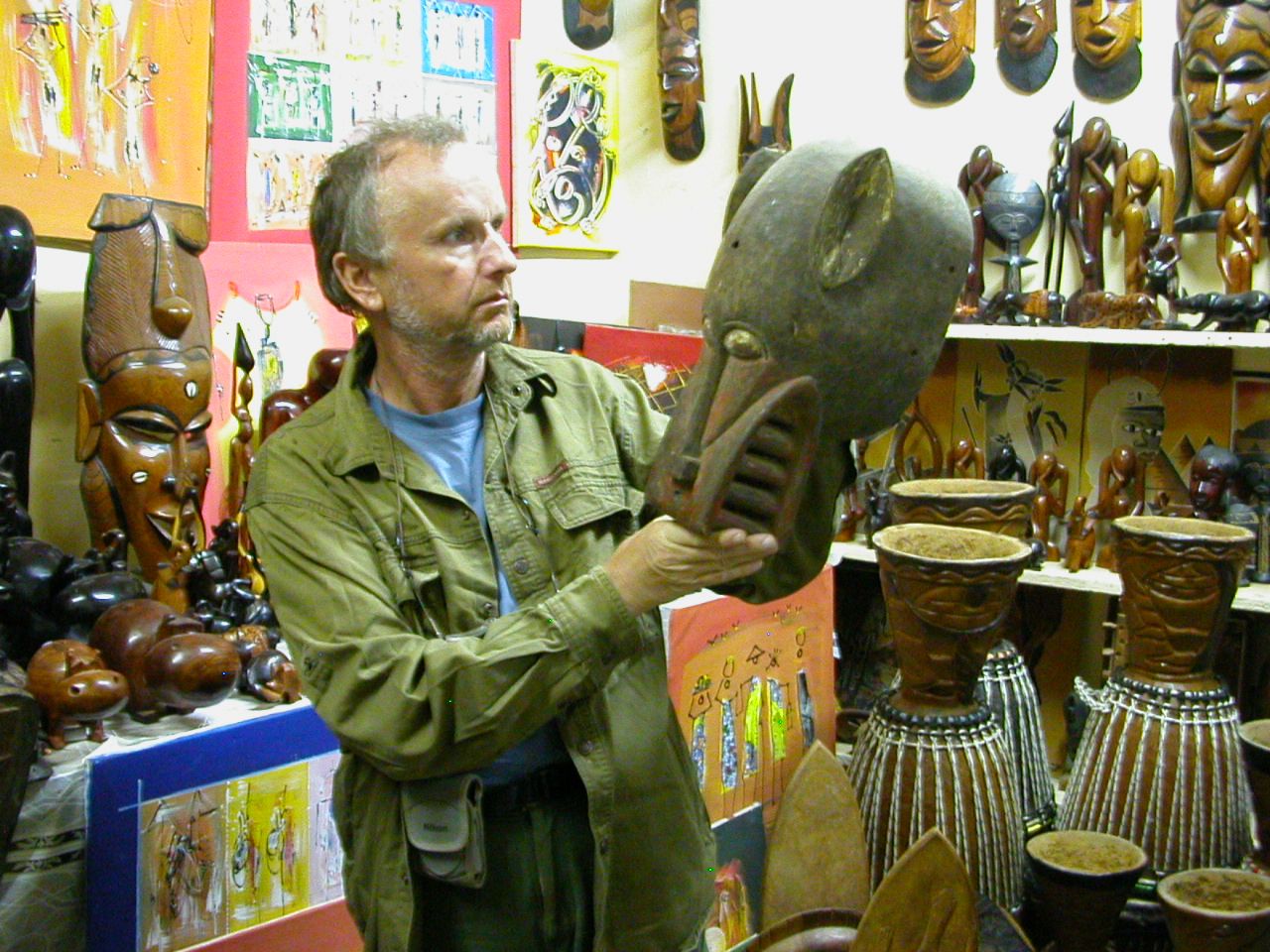
A ritual mask of the Tikar tribe from Cameroon. This kind of mask is still used, especially during the wedding celebrations
Masks traditionally play an important role in the rituals of African tribes, also among Igbo in eastern Nigeria
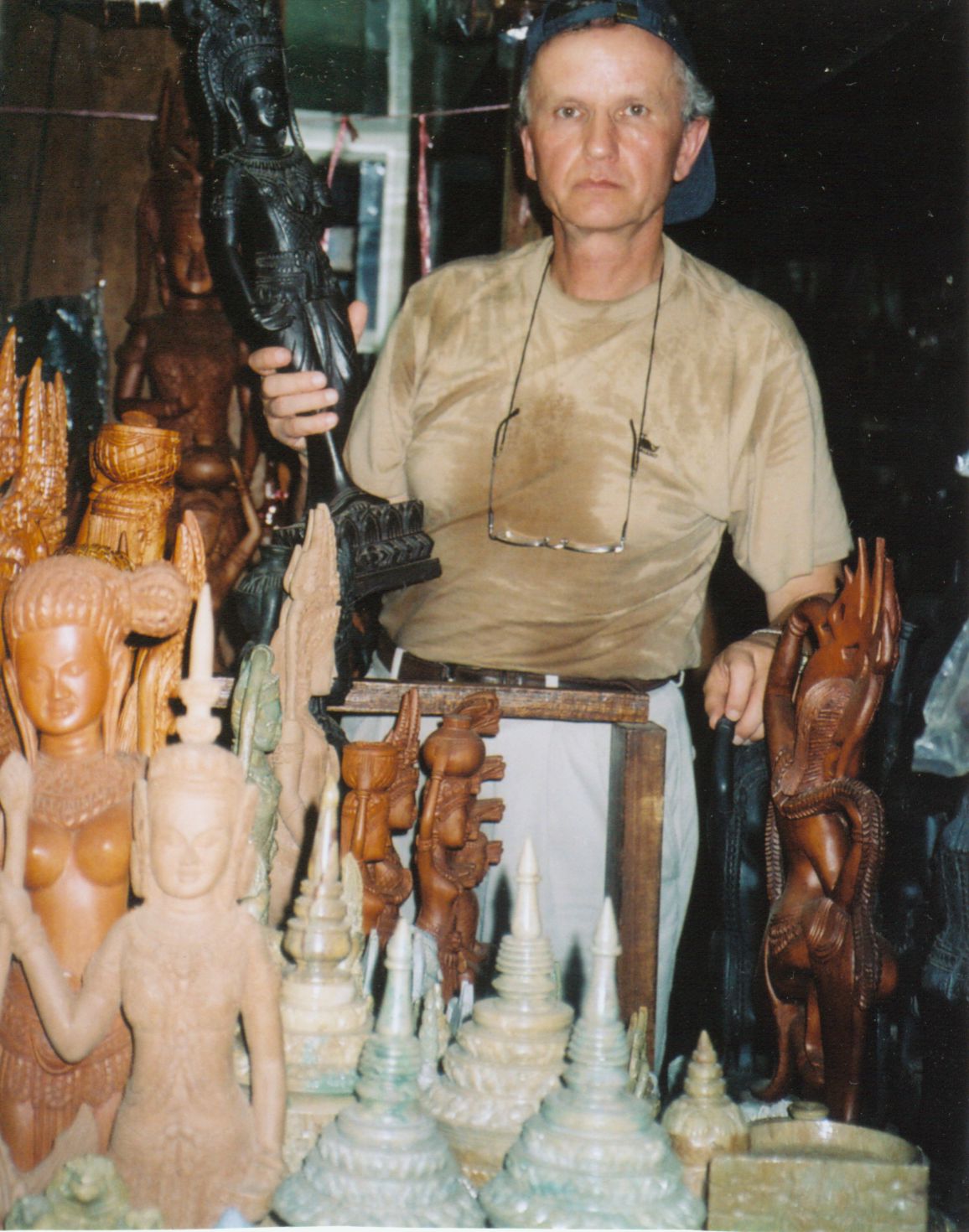
Apsara, according to old Khmer's culture, a heaven nymph
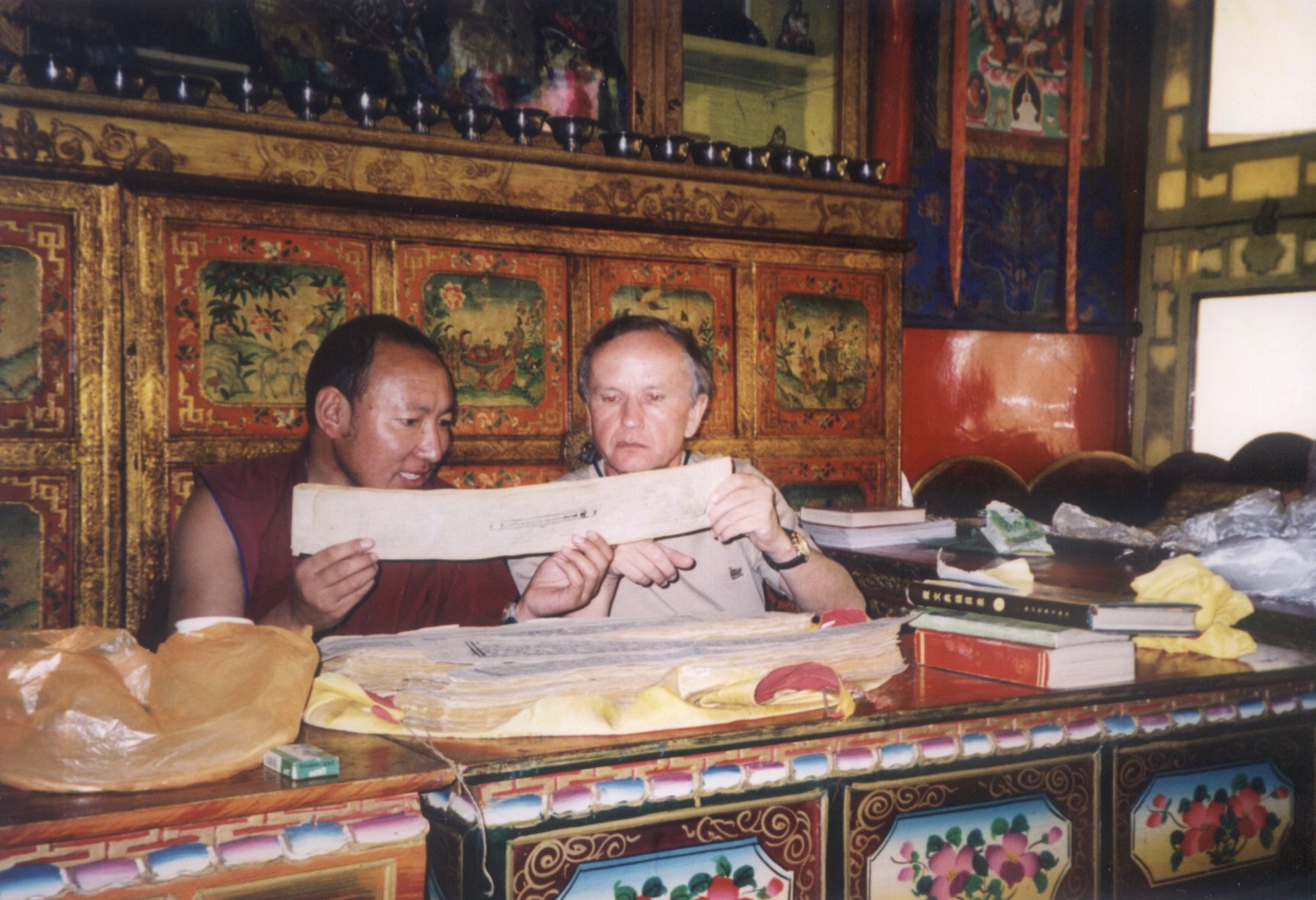
Gelong is an advanced level on the hierarchic ladder of the Buddhist monks. Gong Chor has achieved it after twenty years of studies and service at the Potala Palace in Lhasa. So, now it is easy for him to explain the nuances of the exciting and colorful philosophy of the Tibetan Buddhism
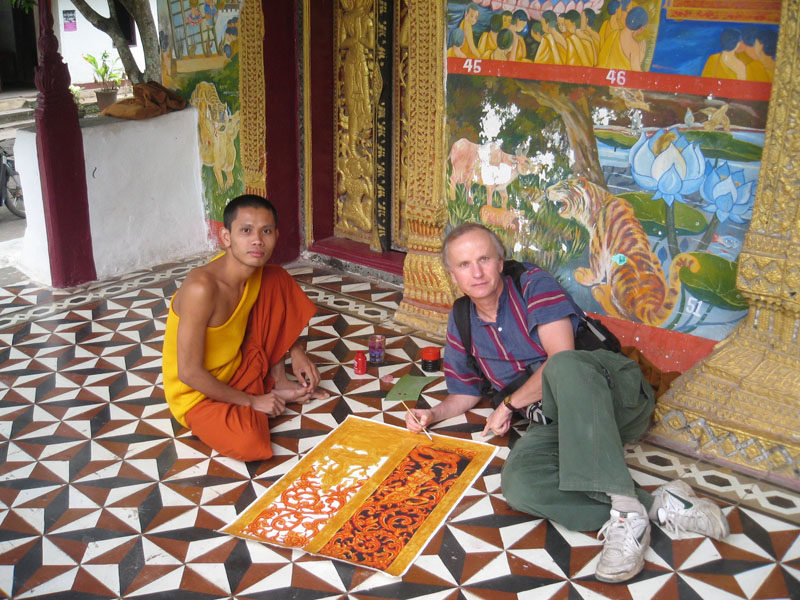
The Director of TIGER against the background of tiger. The lessons of Lao calligraphy at the Wat Xieng Muan Luang Prabang in Laos.
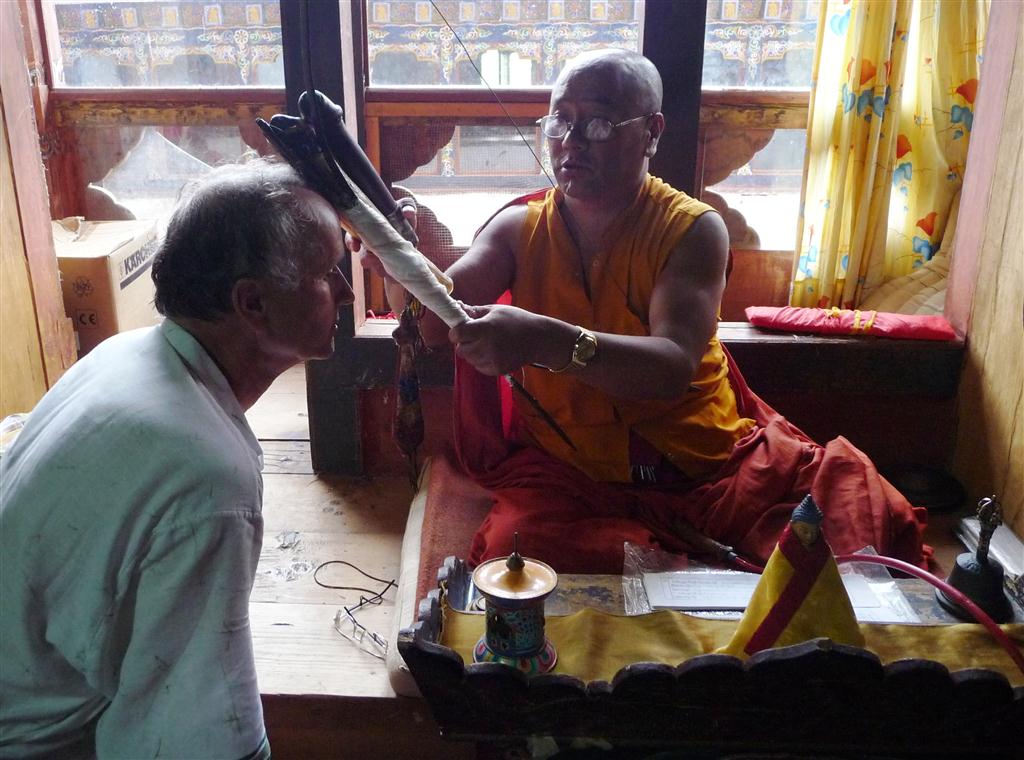
The blessing - indeed, done in a very unique manner... - in one of Bhutan's temple.
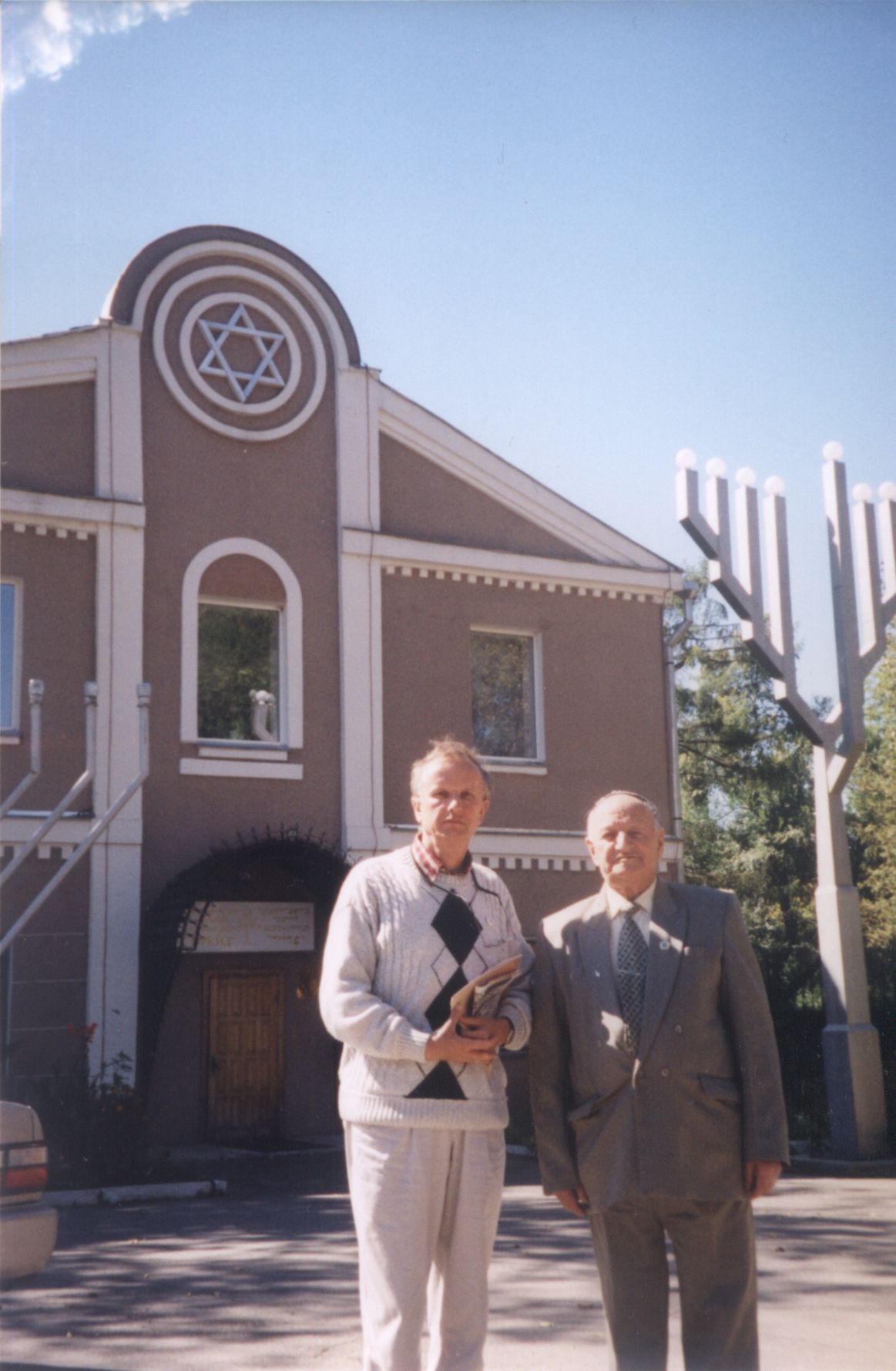
Birobidzhan, the capital of the Jewish Autonomous Region in the Russian Far East. After the meeting with Lev G. Toytman - the chief rabbi and Chairman of the Jewish Community of Birobidzhan "Freid" (Yiddish for "happiness"). In mid-September of 2003 Birobidzhan hosted the 7th International Festival of Jewish Culture
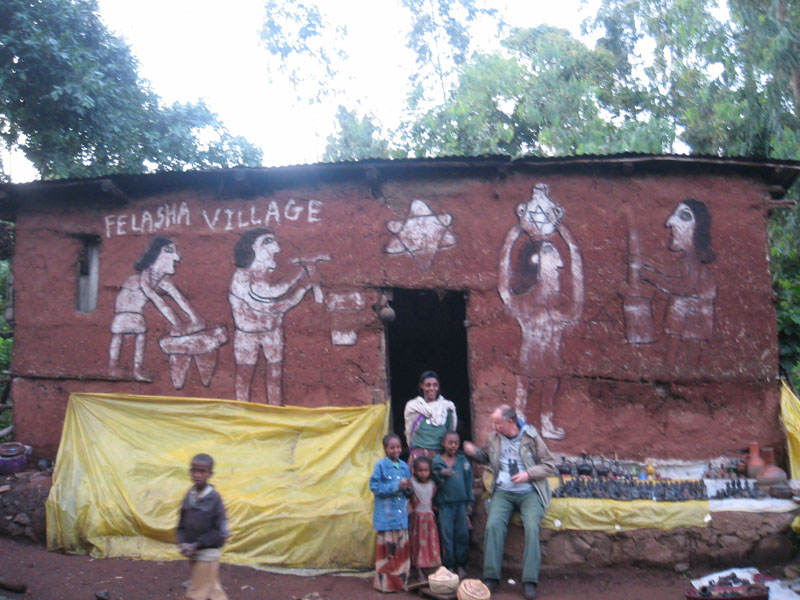
Among the Felasha, the African Jews. Would it be possible that their roots are linked to the Jews which came here - at the highland of central Ethiopia - in the biblical time together with the Ark of Covenant?...
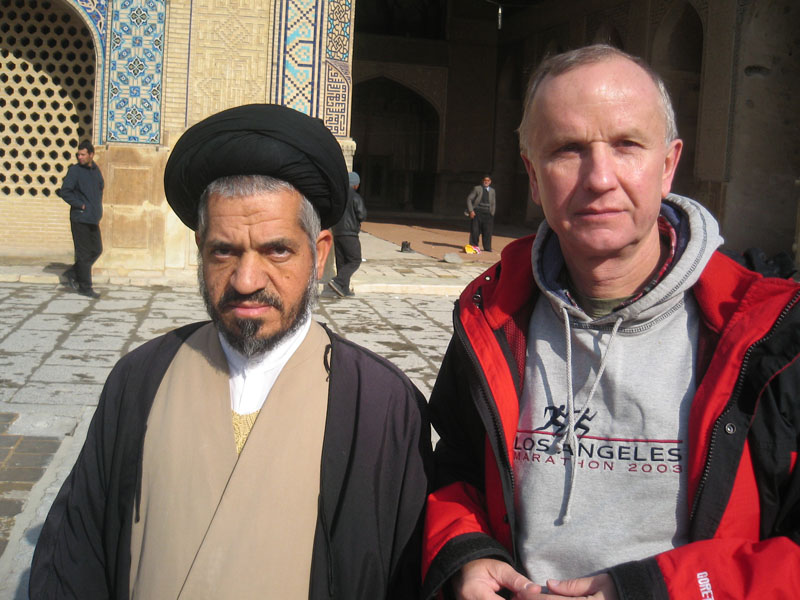
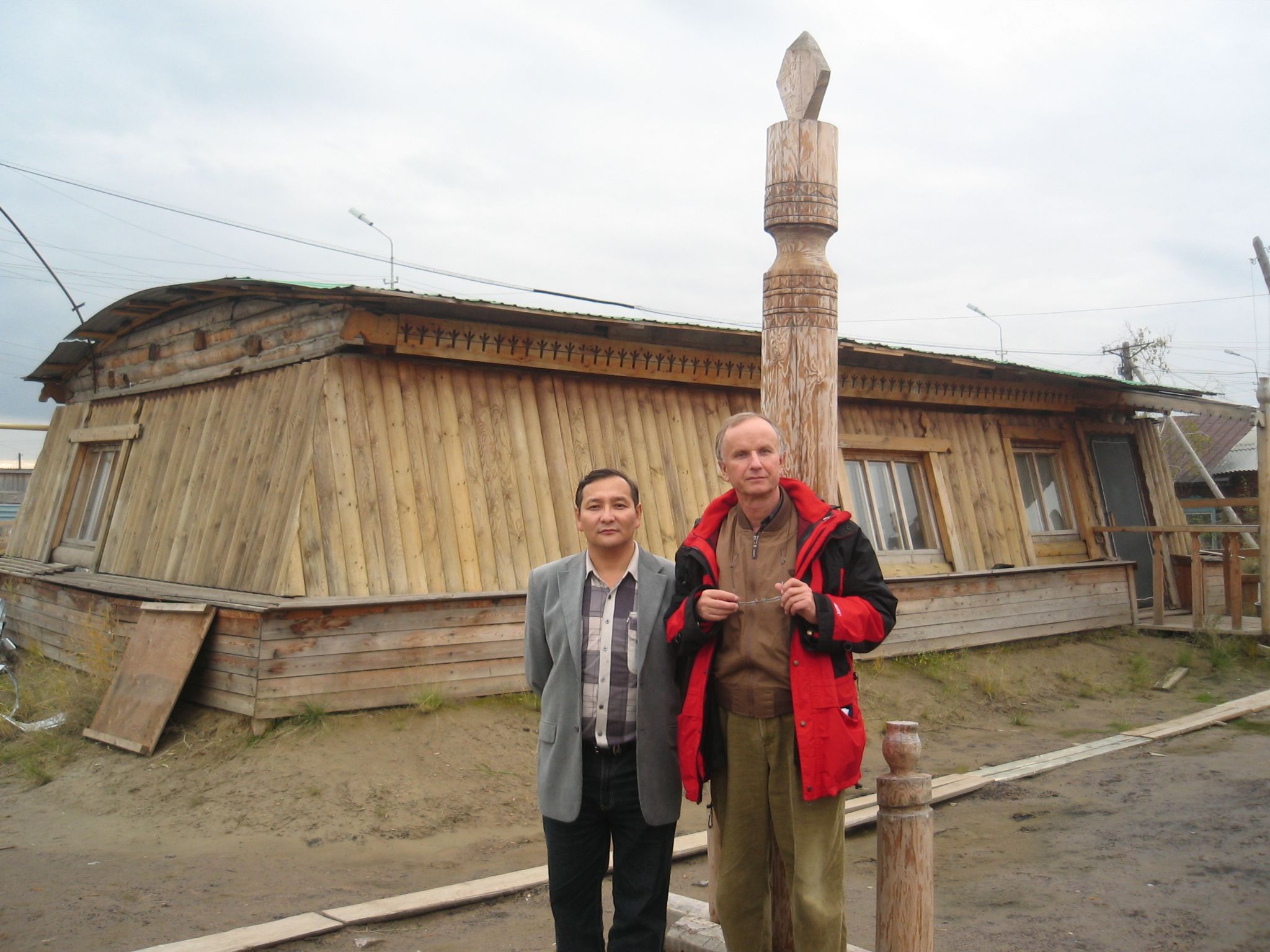
At the courtyard of the Friday Mosque (Masjed-e Jameh) in Isfahan, Iran. The "Black Turban" (Seyyed) among the Shiites mullahs means a descent from the Prophet Mohammad. Yakutsk, the East Siberia. With Professor
Mikhail P. Lebiedev,
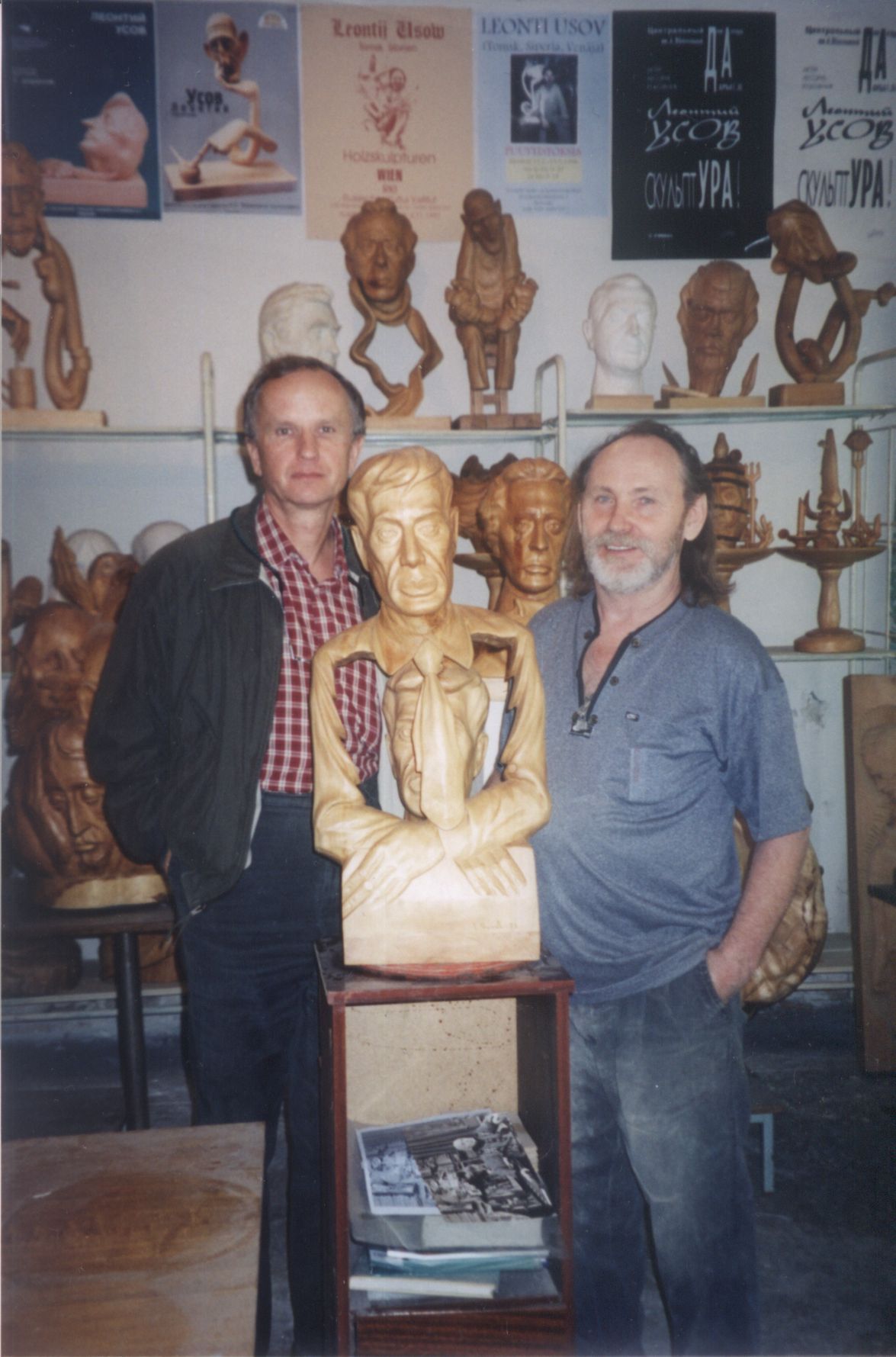
Tomsk, Siberia. In the workshop of well-known sculptor - Leontiy Usov - one may see many beautiful wooden sculptures of distinguished artists, mainly the great Russian writers. Among them, also the author of "Doctor Zhivago" - Boris Pasternak
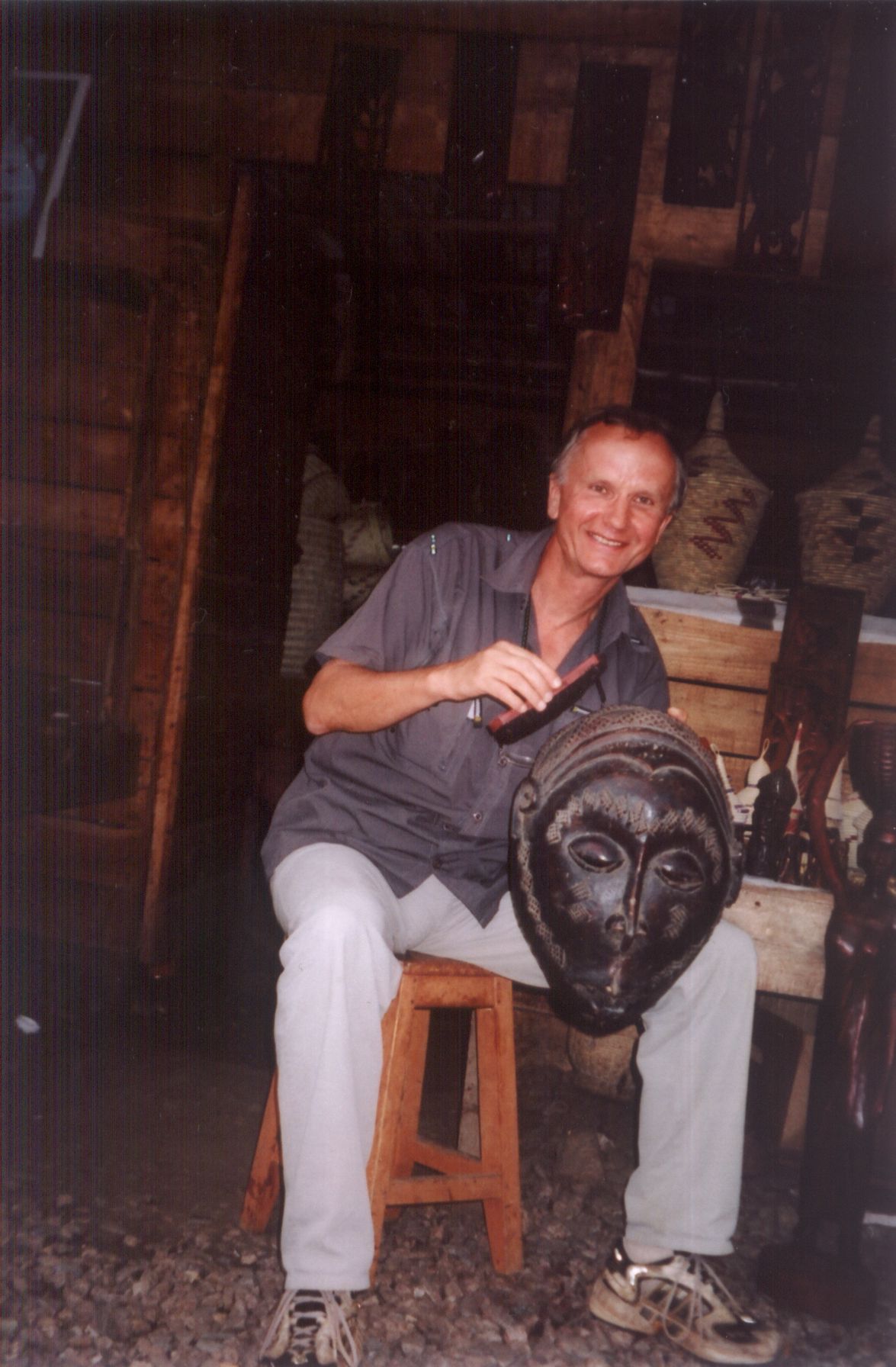
Bujumbura, Burundi. East Africa is known for beatiful, traditional masks, still used by local population in various folk customs. This Cokwe tribal mask from Kongo also hides one misterious ghost inside
Warsaw, April 2003. During the meeting with great Polish culture creators and activists. Salutation with actor Marek Kondrat. In the center Ignacy Gogolewski - Polish great theatre actor, who played Dorian Grey in the Polish TV Theater 40 years ago
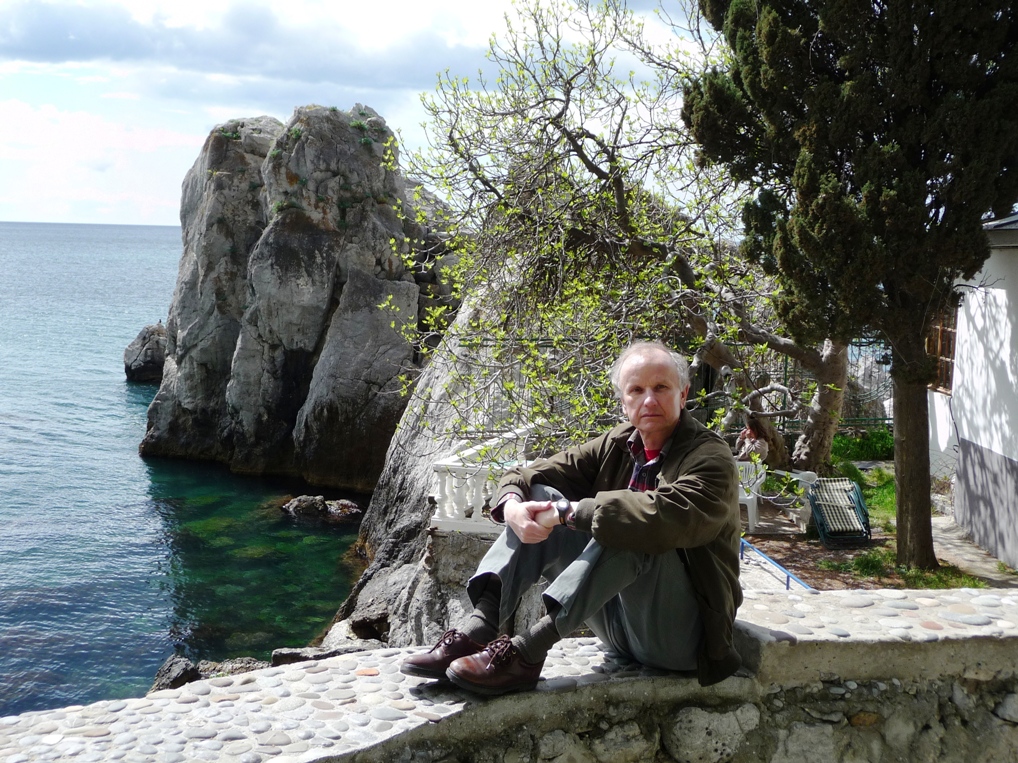
Crimea, May 2009. It's been here, at the beautiful gorge at the coast of Black Sea, where Anton Chekhov over hundred years ago (in 1901) has written his famous "The Three Sisters".
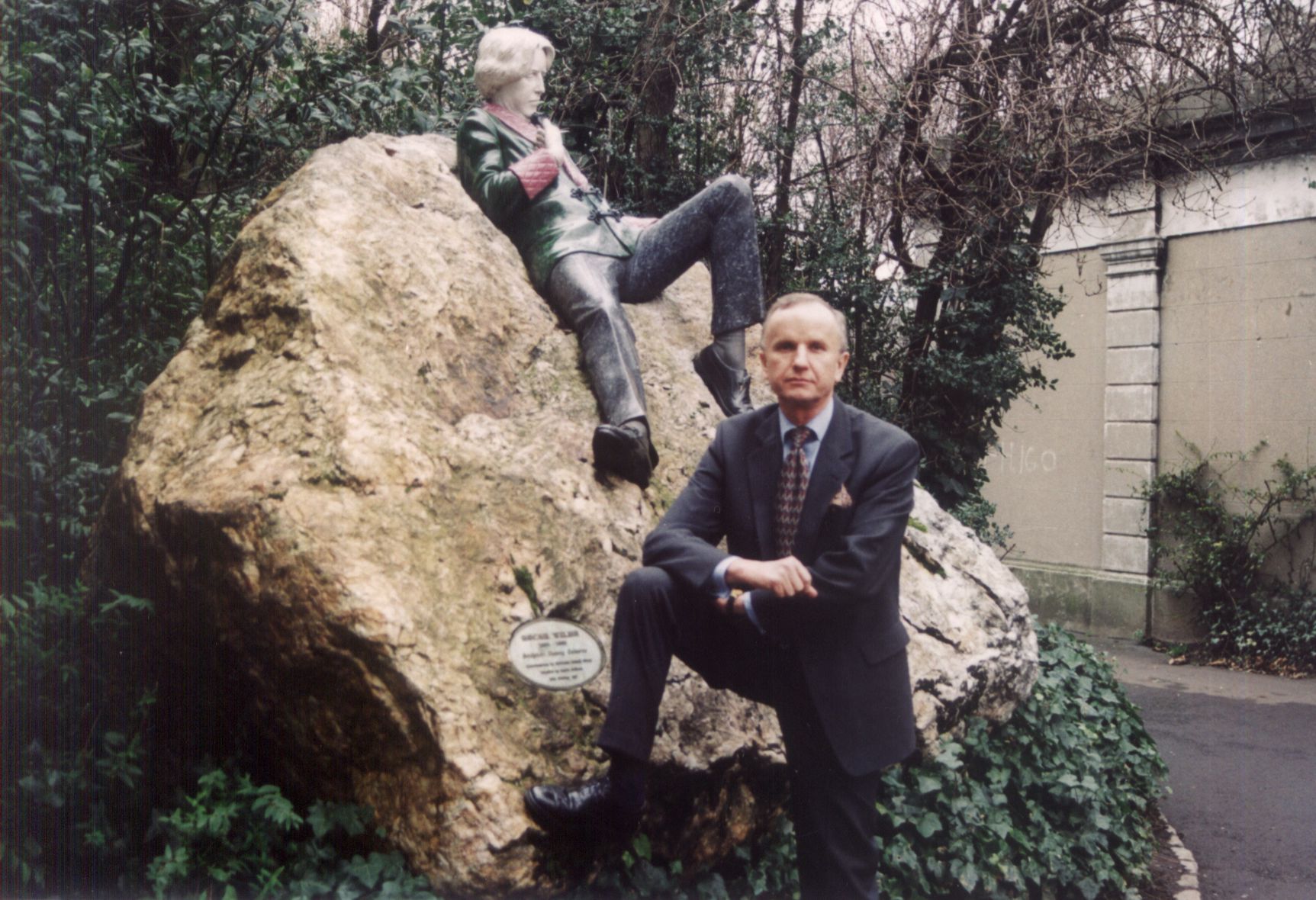
Dublin, February 2003. In front of Oscar Wilde's monument, the great Irish writer (1856-1900), author of the novel "The Picture of Dorian Grey".
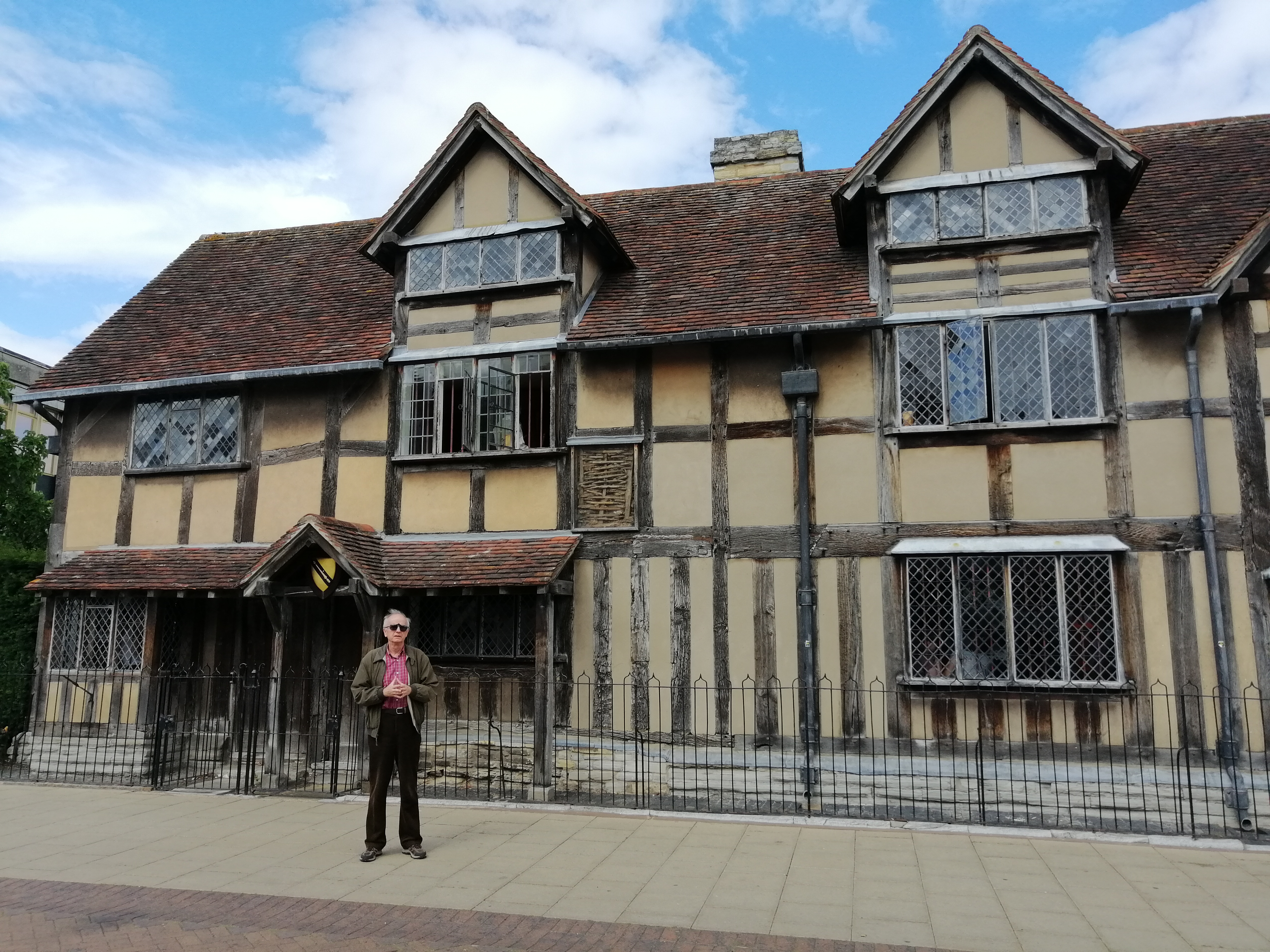
Stratford-upon-Avon, July 2019. William Shakespeare (1564-1616), the greatest playwright of all time, was born in this house.
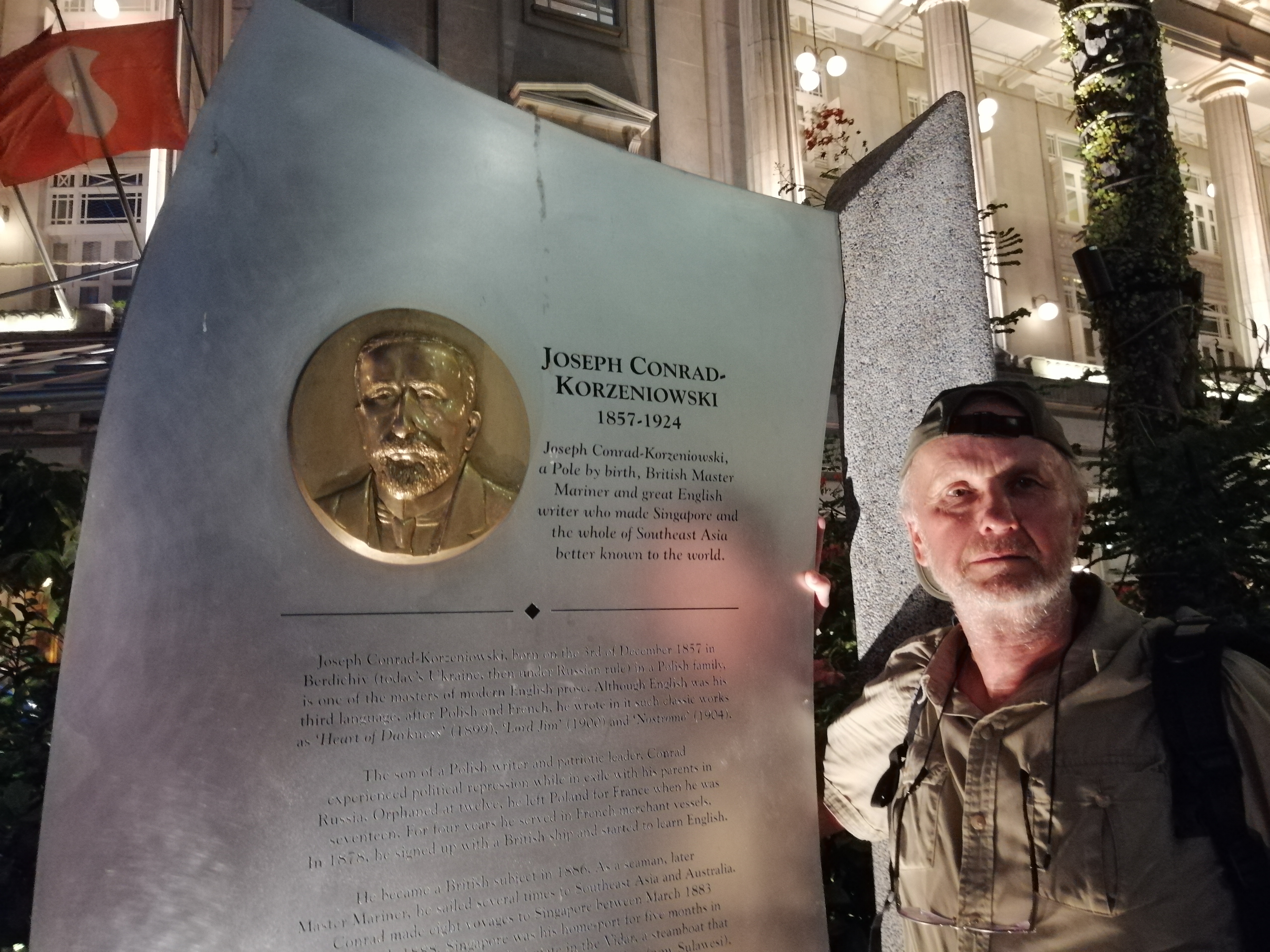
Singapore, August 2019. A plaque commemorating the great writer Joseph Conrad (1857-1924), the author of “Heart of Darkness”
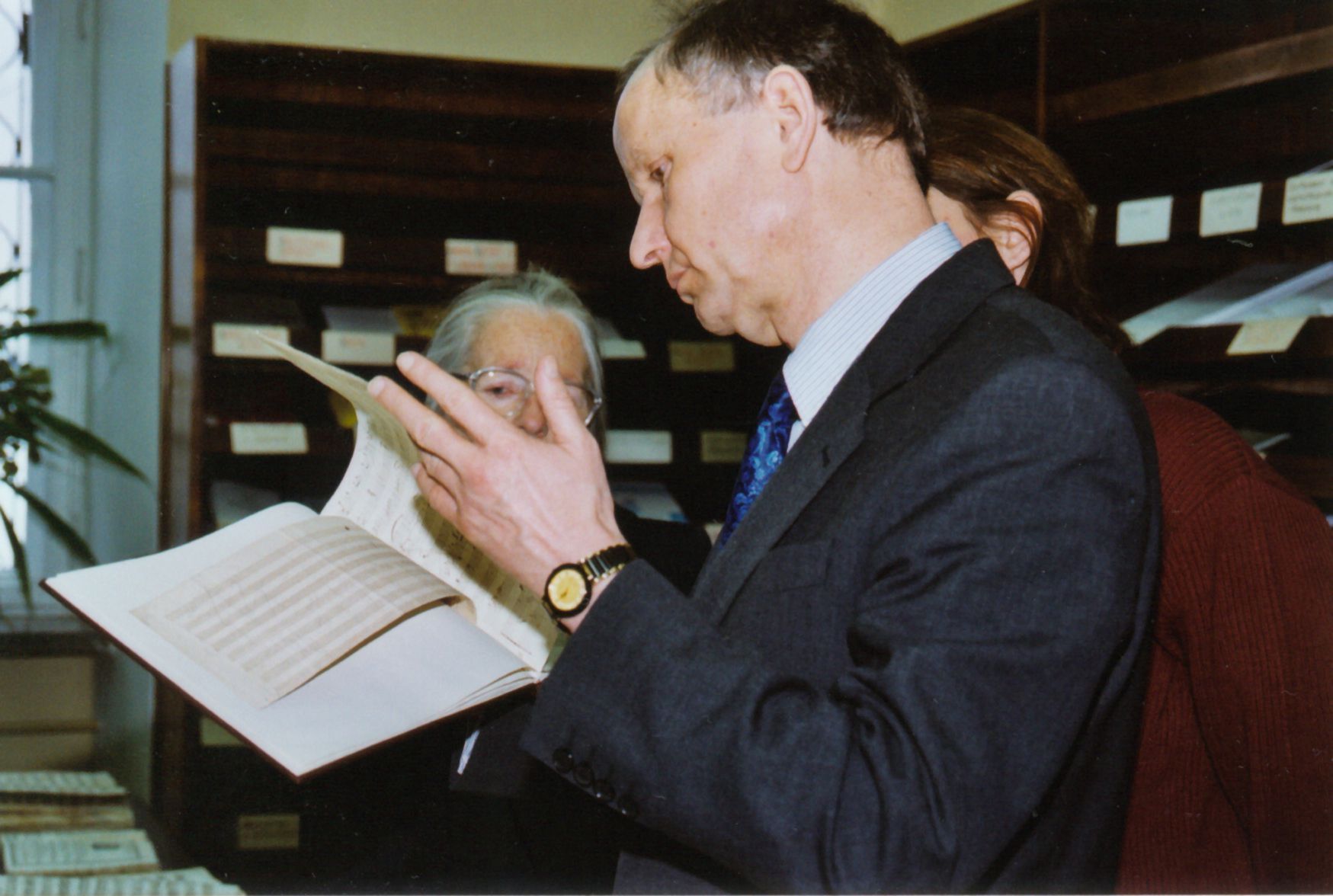
Looking at the original manuscript of Ludwig van Beethoven in the Wroclaw University Library
Here, in Granada, in a modest house, the great Spanish composer Manuel de Falla (1876-1946) composed his beautiful music.
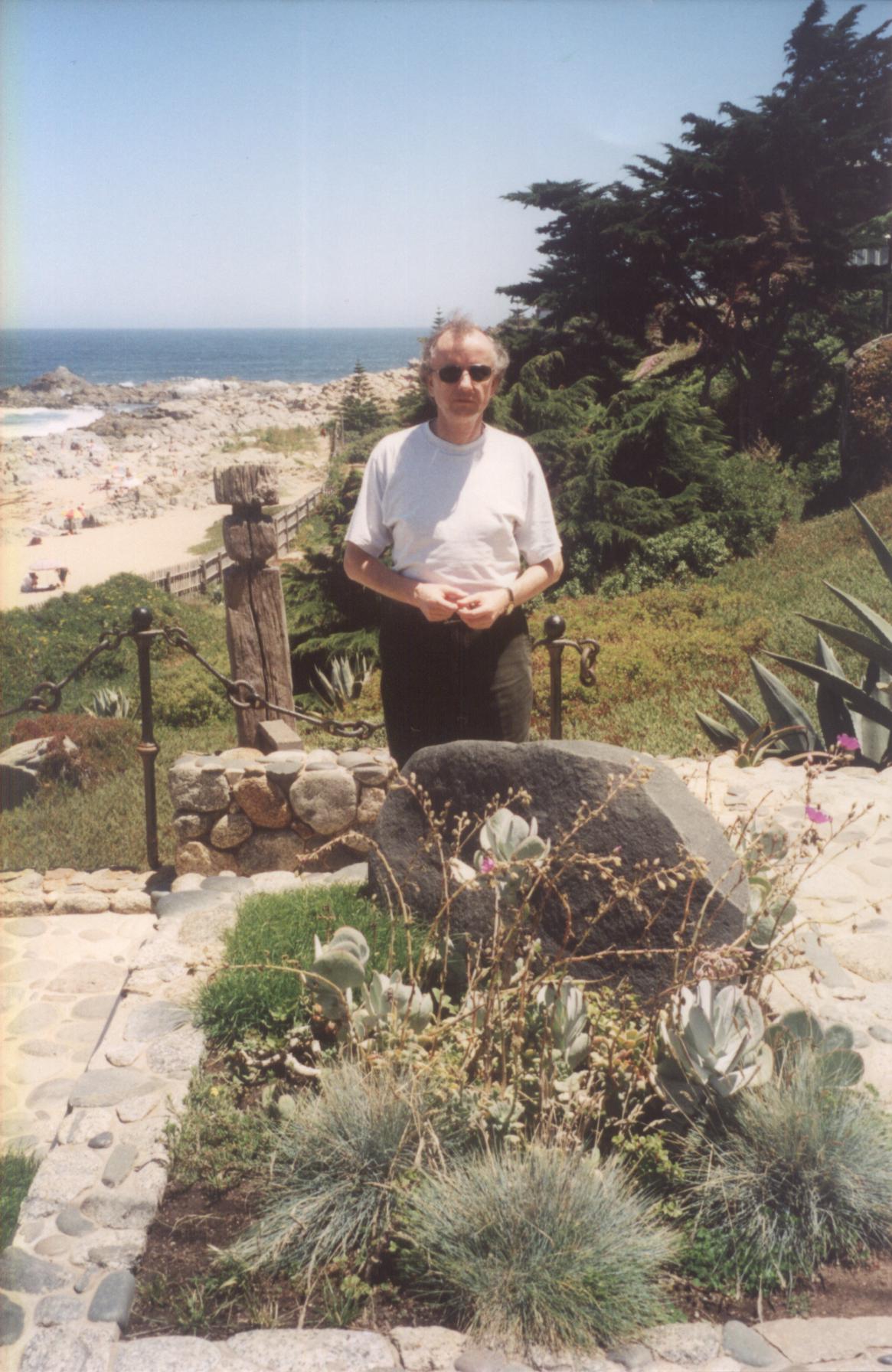
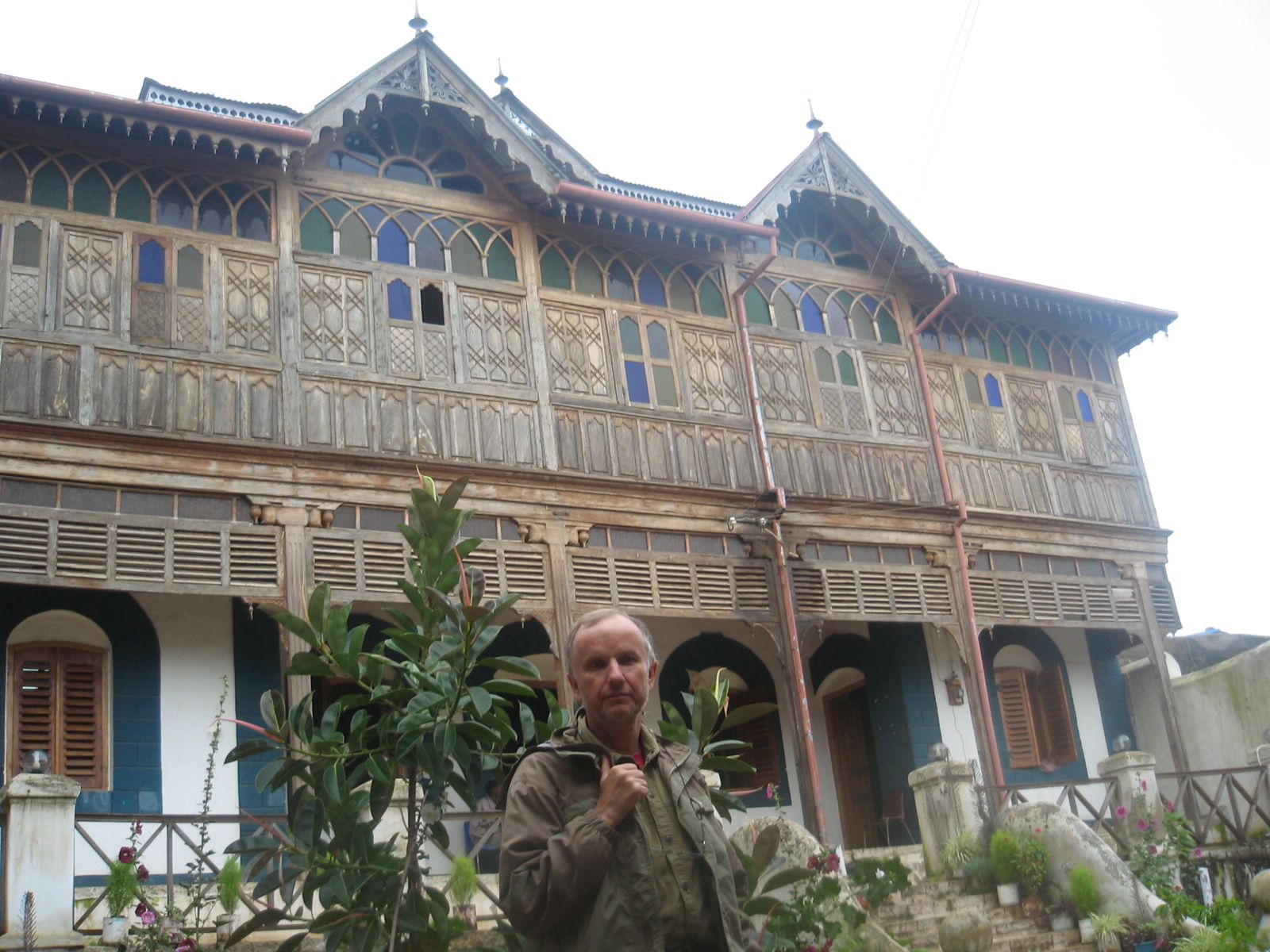
Islas Negras, Pacific Coast, Chile. Over the grave of great Chilean poet, Pablo Neruda, the 1971 Literature Nobel Prize Laureate. In this villa, in Muslim town Harar in Ethiopia - in the past an independent city-state - had lived great French poet, distinguished representative of symbolism, Jean Arthur Rimbaud (1854-91), the author of "The Drunken Boat" and "A Season in Hell".
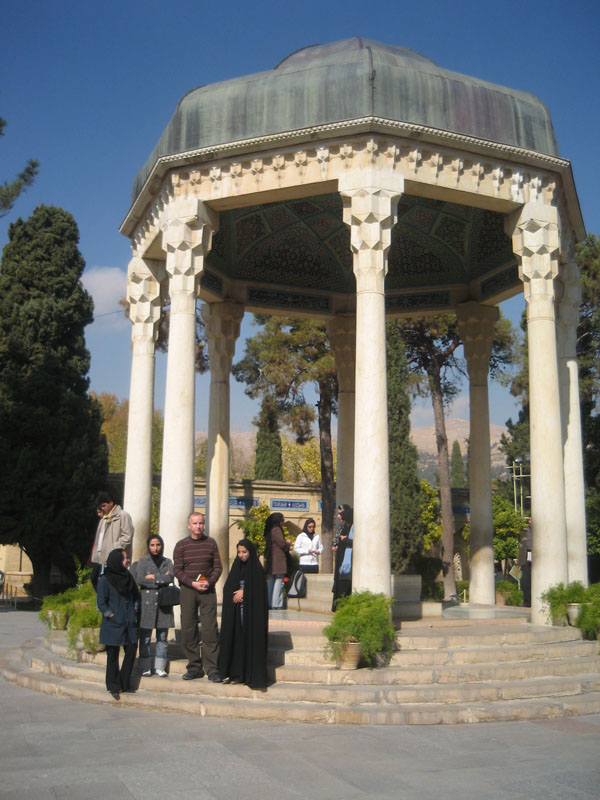
Iranians have a saying that every home must have two things: first the Quran and then the volume with Hafez poetry. In Shiraz, the home town of a great Persian poet, the author of "Divan-e-Hafez", in a charming garden at his tomb (Aramgah-e-Hafez) all the time one can meet Iranians enjoying his lyrics, being still very popular and so often read and recited. Although Khajeh Shams-ed-Din Mohammed, better known Hafez, what means "One Who Can Recite the Quran from Memory", lived in 1324-89, he still is regarded as a kind of folk-hero.
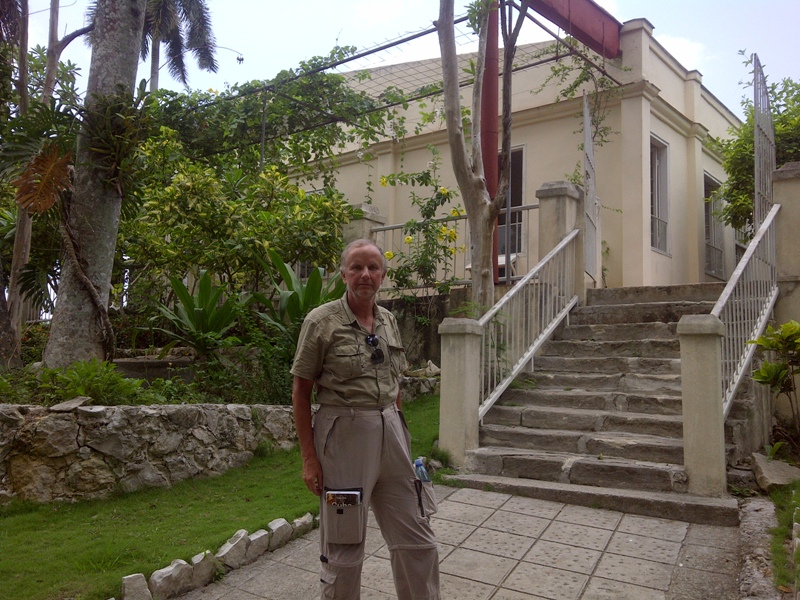
Here – in villa called Finca la Viglia, in San Francisco de Paula near Havana – Ernest Hemingway, the great American writer, the laureate of literature Nobel Prize – spent most of his time in the years 1939-60. Hemingway was awarded with the Nobel Prize in 1954 "for his mastery of the art of narrative, most recently demonstrated in ‘The Old Man and the Sea’, and for the influence that he has exerted on contemporary style". The famous novel “The Old Man and the Sea” was written in Cuba.
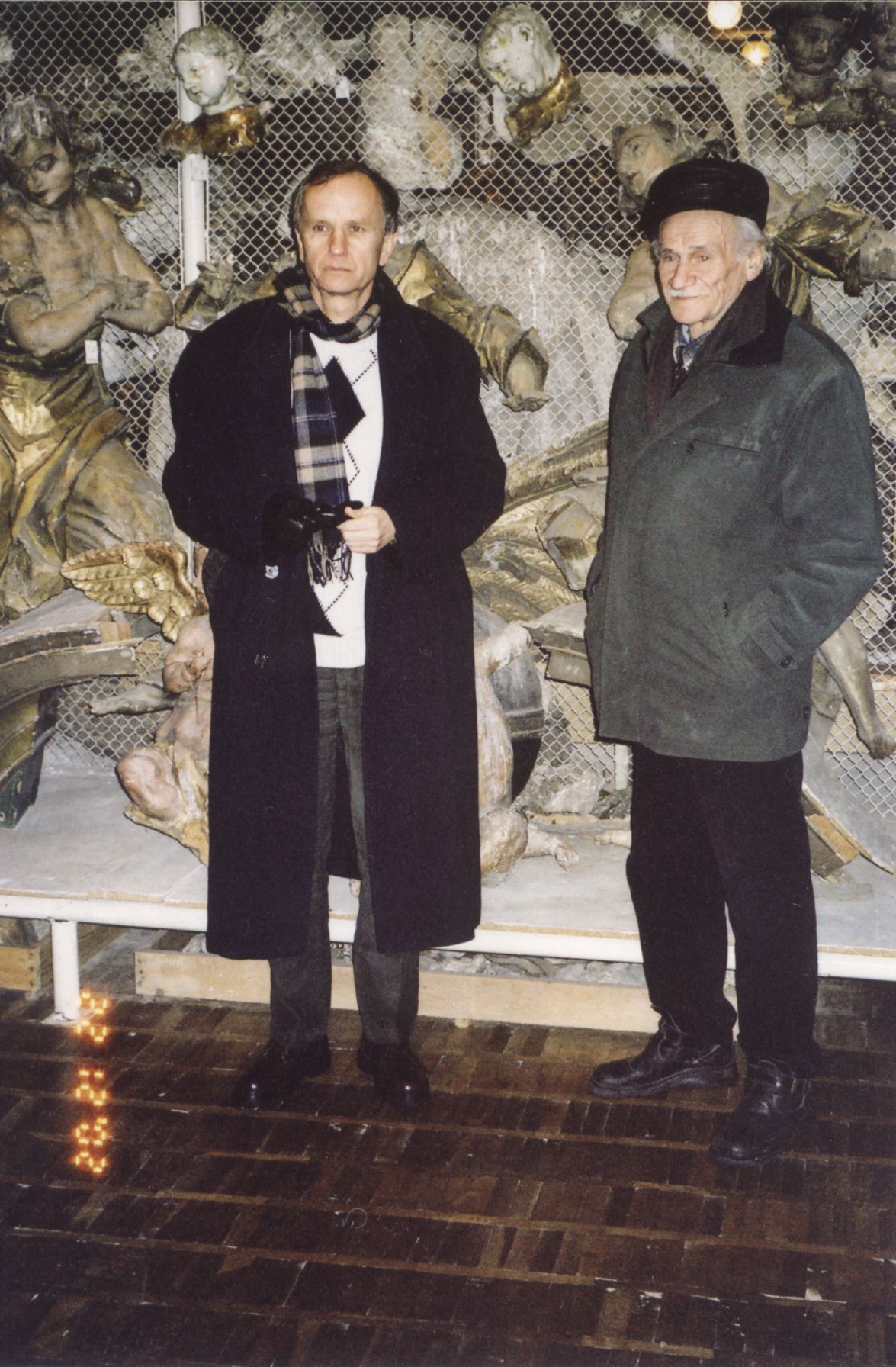
With Professor Boris G. Woznicki, since 1962 the Director of the Lvov Picture Gallery. His commitment and determination helped to save about 12 thousand items of the sacred arts. Earlier, they were exposed in the churches of the West Ukraine. During the decades of 60s and 70s of the last century, Professor Woznicki had collected these items and saved them at the time the churches had been liquidated. Now -- while waiting for the new place to be exposed again -- these precious items are stored in one of the most bizarre storehouses. Two and a half miles of shelves with the saved arts are to be found close to the Olesko Castle, the place of birth of the Poland's King Jan III Sobieski Photo Boguslawa Czyzewska
With the Cardinal Josef Glemp, during the inauguration of the 2002/2003 academic year in the Fryderyk Chopin Academy of Music in Warsaw. Left: Waldemar Dabrowski — the Minister of Culture
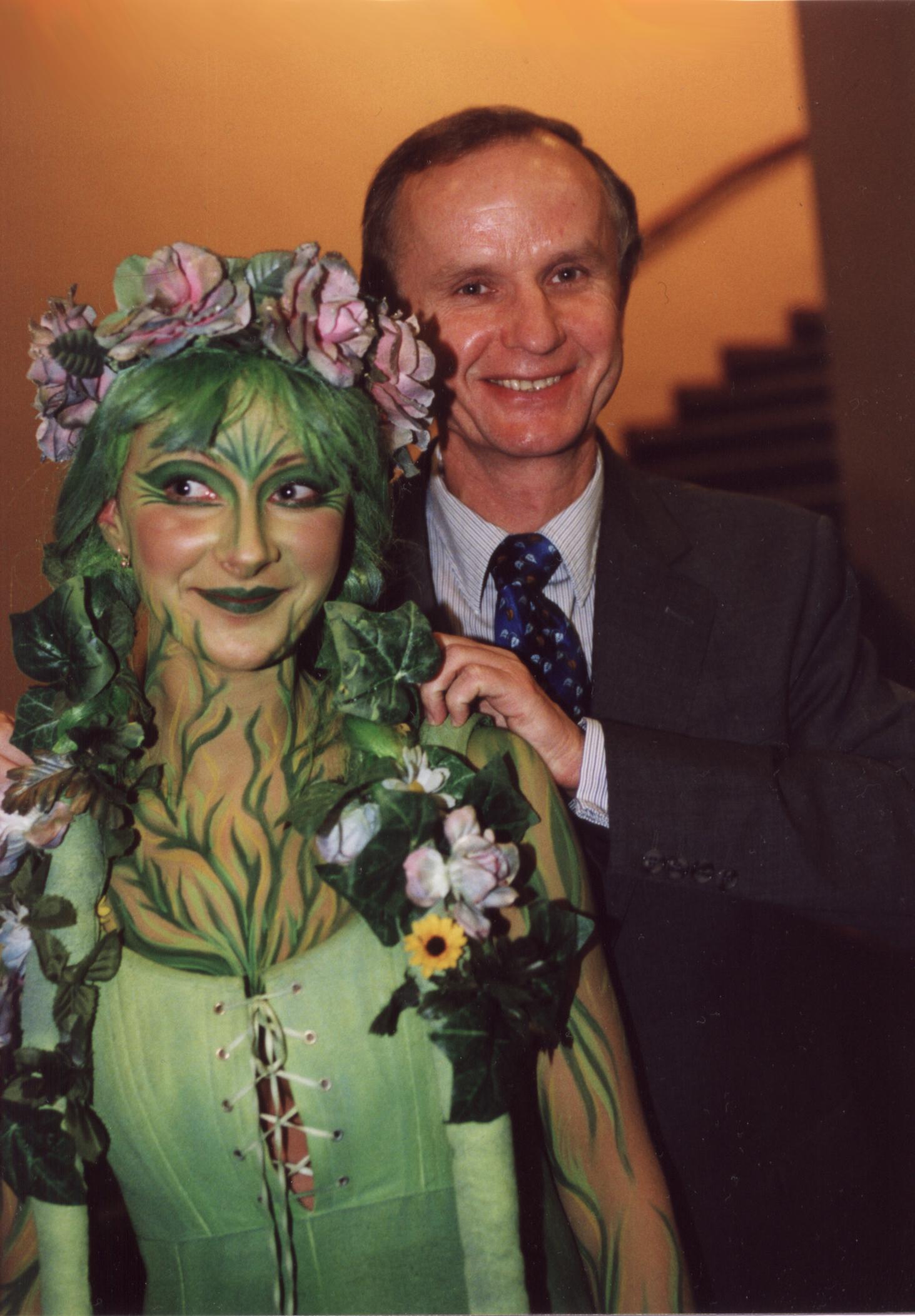
“Veris leta facies mundo propinatur...” (“The merry face of spring turns to the world...”). With THE SPRING after splendid performance of Carl Orff’s “Carmina Burana” directed by Ewa Michnik in Wroclaw’s Opera (27th October, 2002)
Czestochowa. With Father Jan Golonka - curator of
Pauline Monastery's museum
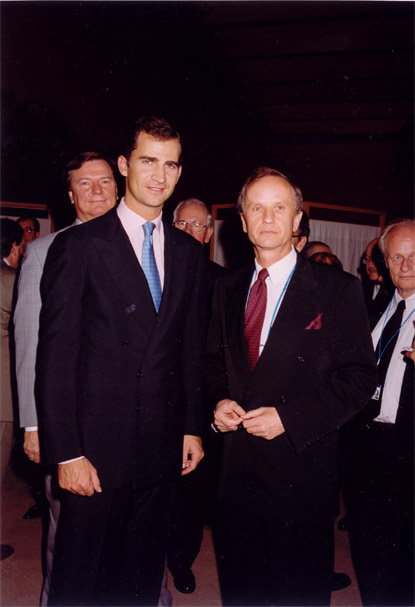
Madrid. With H.R.H. the Crown Prince Felipe De Borbon - the Prince of Asturia - in the Museo Thyssen-Bornemisza
With famous Polish composer — Wojciech Kilar, after “Missa Pro Pacem” (100th anniversary of the Polish National Philharmony) January 2001
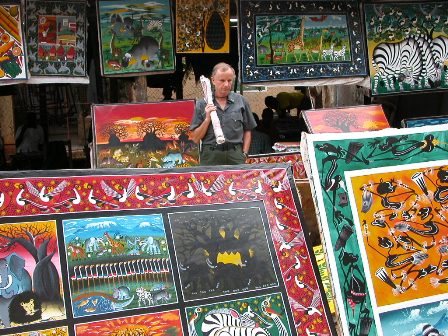
And which one more?... At the art market in Stone Town, Zanzibar
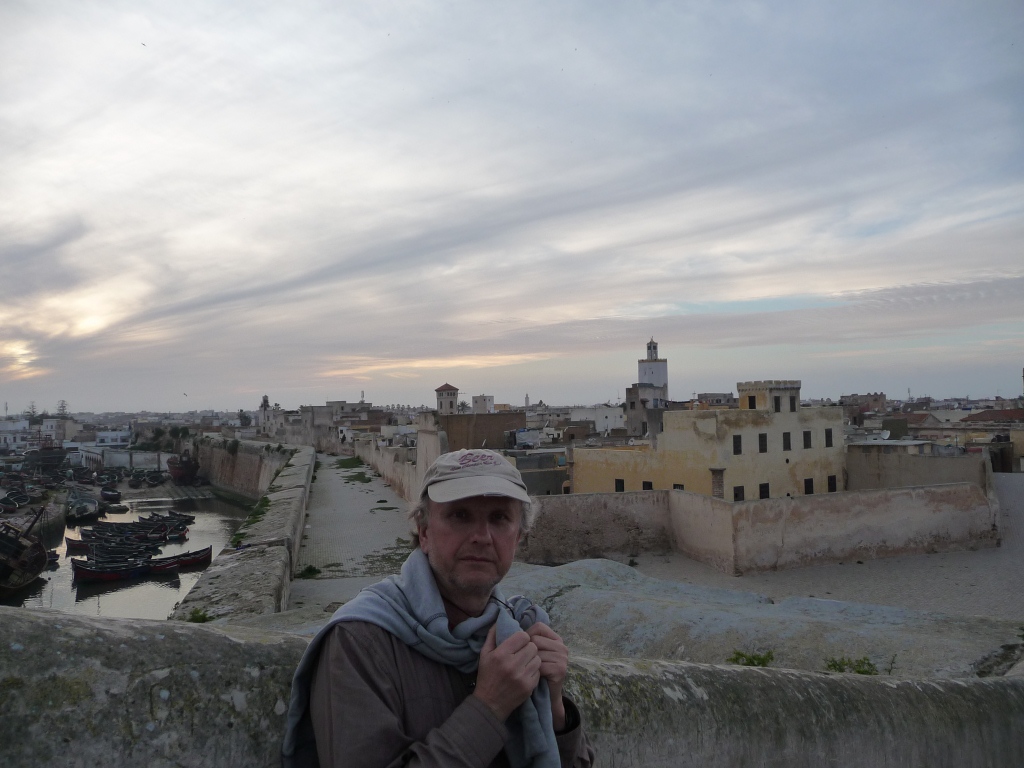
The town of Mazagan (El Jadida), built during the colonial expansion by the Portuguese at the Africa's coast of Atlantic, is included in the UNESCO World Culture Heritage List.
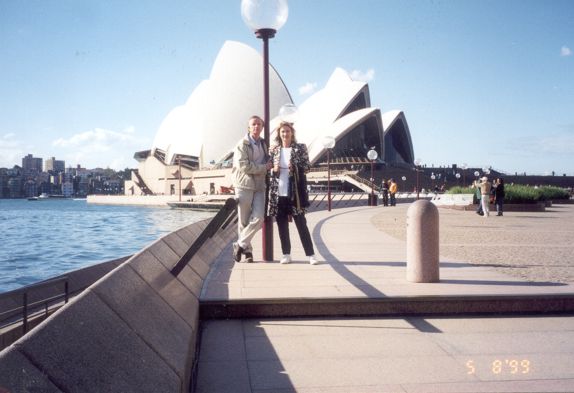
Sydney, the Opera. Getting ready for the evening performance of Puccini's Tosca
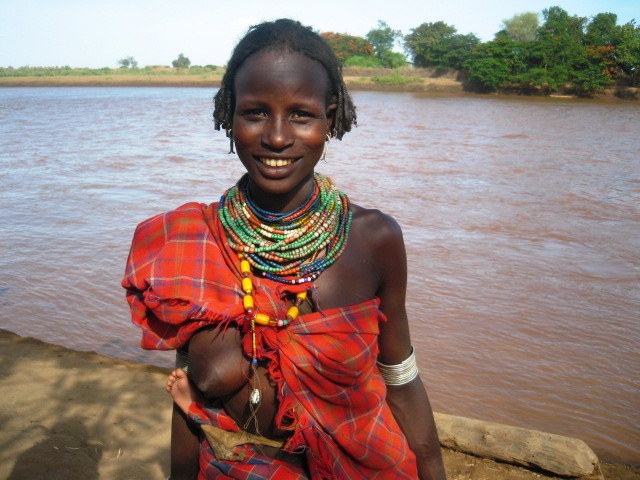
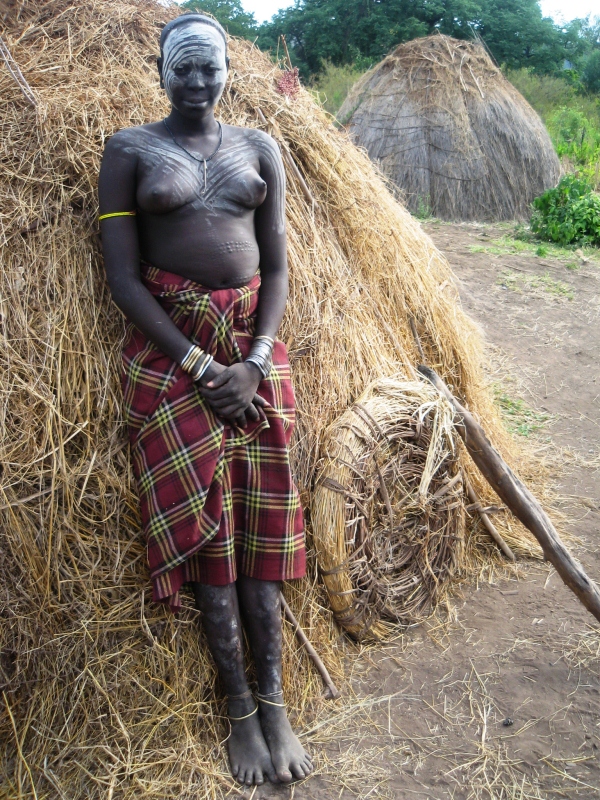
There should be a limit of the idiocy of Facebook administrator, shouldn't there? Two photos have been removed by the Facebook censorship from my photo album "ETHIOPIA: COUNTRY WITH MATCHLESS CULTURE" on may Facebook page www.facebook.com/kolodko Hence, here they are, in my TIGER Photo Gallery, in the CULTURE...
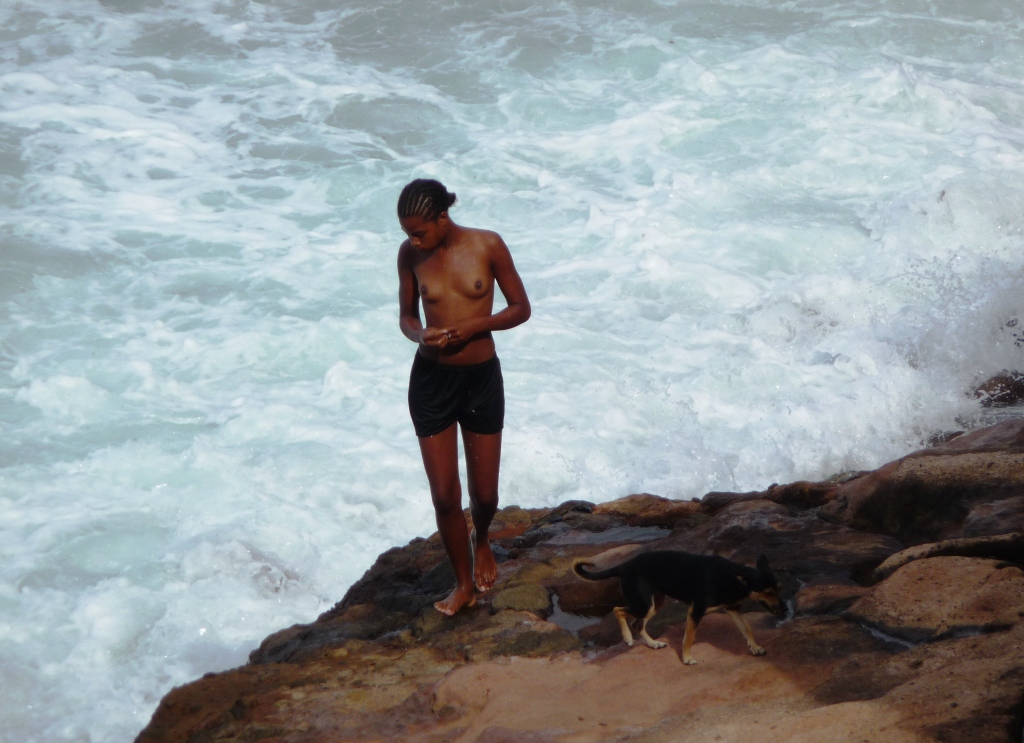
And one more beautiful picture, this time from the photo album THE WONDERS OF EASTERN CARRIBEAN ISLANDS, has been removed from my page www.facebook.com/kolodko by overactive censor! As before, you can admire it here, in the album CULTURE, since it is an art, and not pornography... |
|